


Kidney stones are painful. Symptoms of kidney stones can include severe pain, especially in the lower back or side, blood in the urine, frequent urination, nausea, and vomiting.
This article will tell you when to go to urgent care for kidney stones, what to look for, and what treatments are available.
Key Takeaways
- Kidney stone symptoms (pain and burning with urination) is key to treatment and early intervention.
- Go to urgent care if you have severe pain and vomiting and fever; that’s a blockage or infection.
- Preventive measures (hydration and dietary changes) can reduce the risk of getting kidney stones and complications.
Kidney Stone Symptoms
You get hit with a sharp pain in your side and back that radiates down to your lower abdomen and groin. Right?
The pain comes in waves and leaves you breathless.
So symptoms are:
- That sharp stabbing pain we just mentioned comes in waves.
- Burning while urinating.
- You can also notice blood in your urine, difficulty urinating, or nausea and vomiting.
Sometimes these symptoms can mimic a urinary tract infection which can add to the confusion and panic. Passing kidney stones is no cakewalk, but knowing the signs early can help you act fast.
Now if you’ve had kidney stones before, you probably recognize these symptoms sooner.
Read Now: Diabetes Mellitus: Symptoms, Causes and Treatments
When to Go to Urgent Care for Kidney Stones
Severe pain, especially when accompanied by vomiting and fever, is a clear sign you need to see a doctor ASAP.
These symptoms mean the stone is blocked or infected and needs immediate medical attention.
Go to urgent care if you’re experiencing severe pain, vomiting, and fever while passing a kidney stone.
These symptoms mean the stone is obstructing your urinary tract, which can lead to kidney infections or even sepsis.
Ignoring these symptoms can lead to serious health issues, including permanent kidney damage.
Feeling sick or tired along with kidney stone pain? It’s time to see a doctor. A blocked ureter can trap waste and lead to bacterial buildup, which can lead to kidney infections that require urgent care.
Watch out for fever, chills, and cloudy or foul-smelling urine; these need immediate attention to prevent further complications.
Diagnosing Kidney Stones at Urgent Care
A study of 128,564 patients discharged from the ER found 11% had at least one additional ER visit for kidney stone treatment within 30 days. Almost a third of those visits required hospitalization or an urgent procedure.
When you walk into urgent care with stone symptoms, the first step is diagnosis. Urgent care centers can perform diagnostic tests quickly and guide your initial treatment and care.
Typically, this includes a urinalysis and imaging tests to confirm the presence, size, and location of kidney stones.
Urinalysis is usually the first test performed. It shows signs of stones or infection.
Then imaging tests like CT scans or abdominal X-rays will help visualize your urinary tract and pinpoint the exact location and size of the stones.
Urinalysis
This test will show you various substances in your urine, such as high calcium levels, which means potential stone formation.
You might see blood, white blood cells, and bacteria if there’s an infection.
High mineral levels in your urine mean you’re at risk for kidney stones.
This test will give you an idea of your condition and guide further treatment. Blood and minerals in your urine? That’s kidney stones or potential stones.
Imaging Tests
Imaging tests are necessary for diagnosing kidney stones. A CT scan will show you detailed images of your urinary tract and the size and location of the stones and any blockages.
This will guide your treatment plan.
An abdominal X-ray can also locate kidney stones, but not all stones are visible with this method. Combining CT scans and X-rays will give your doctor a complete view so you can get an accurate diagnosis and treatment.
Urgent Care
Once diagnosed, urgent care centers will offer various treatment options to relieve pain and help you pass the stones.
In some cases, medical intervention is necessary, especially for larger stones that can’t be passed naturally.
Pain management is a top priority to ensure your comfort and improve diagnostic and treatment outcomes.
When needed, medical interventions may include medications or procedures to break down or remove the stones.
Pain
Pain medications are prescribed to relieve severe pain so you can feel more comfortable and improve diagnostic and treatment outcomes.
Kidney stone pain is excruciating, often described as sharp and stabbing.
Medical Intervention
When kidney stones are too large to pass naturally, medical intervention is necessary. Surgical procedures may be required to remove larger stones.
Extracorporeal shock wave lithotripsy is a non-invasive option that uses shock waves to break down large stones into smaller fragments.
Flomax can also be prescribed to help you pass kidney stones. These will depend on the size and location of the stones to ensure the best treatment plan.
Take Note: You shouldn’t use any of these mentioned medications without consulting your doctor or having a prescription. We strongly recommend getting your doctor’s advice first.
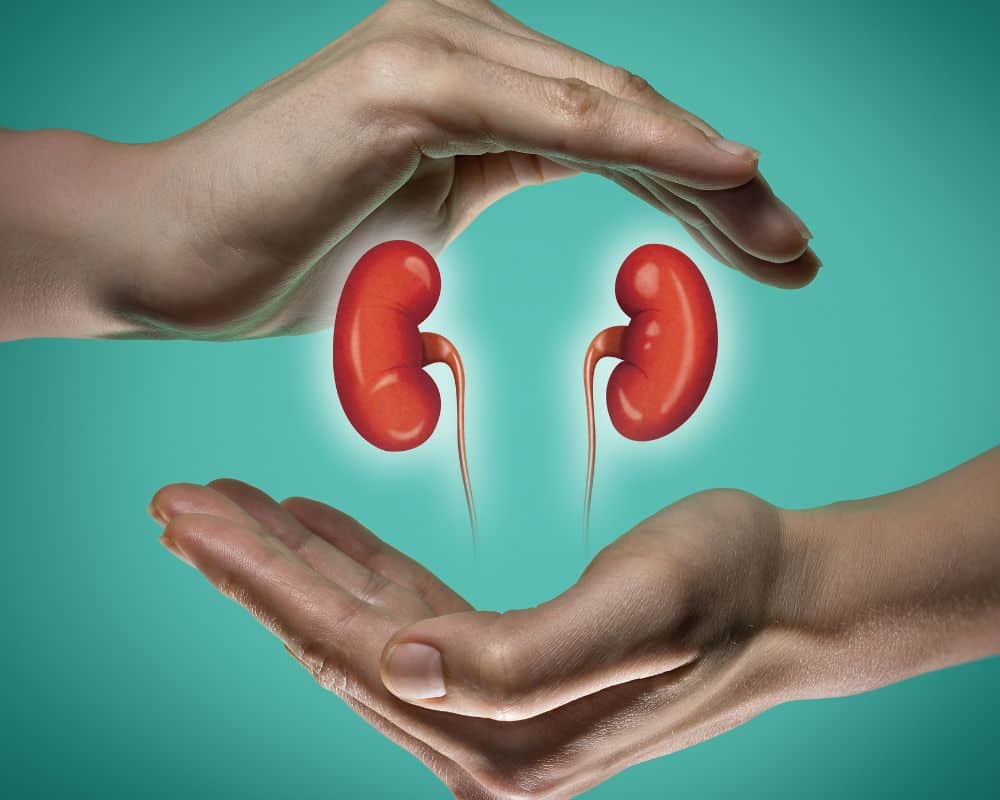
8 Ways to Prevent Kidney Stones
Research indicates that in the United States, over 500,000 individuals seek emergency care for kidney stone-related problems each year.
Preventing kidney stones means making some lifestyle and dietary changes. Staying hydrated is one of the best.
Drinking enough fluids regularly dilutes your urine and prevents stone formation. 2 to 3 liters a day especially in hot weather.
Here are 8 ways to prevent:
- Drink plenty of water.
- Limit high-purine foods like red meat and shellfish.
- Reduce protein, sodium, and sugar intake.
- Take thiazide diuretics if prescribed.
- Consider magnesium supplements.
- Avoid excessive intake of certain supplements.
- Be a healthy weight.
- Be aware of digestive disorders and surgeries.
Hydration and Diet
Hydration is the key to preventing kidney stones. Drinking enough water dilutes the substances in your urine that can cause stone formation.
Drinking fluids reduces your risk of kidney stones.
Avoiding certain foods can also help. Limiting high-purine foods like red meat and shellfish reduces uric acid stone formation.
Moreover, Reducing sodium and sugar can further lower your risk.
Medications and Supplements
Some medications and supplements can help prevent kidney stones. Citrate found in citrus juices inhibits stone formation by preventing calcium from clumping together.
Adding citrate-rich foods and juices, especially lemon and lime, to your diet can also lower your risk.
Adding lemon and lime juices, which are rich in citric acid, can help prevent certain types of kidney stones.
Risk Factors
The average age of patients for all ER visits for kidney stone was 45.9 years, those hospitalized 55.5 years. ER visits for kidney stone were more common in rural areas than urban areas.
Being aware of the risk factors will help you take preventive measures. Family history of kidney stones increases your risk.
However, certain medical conditions like renal tubular acidosis and hyperparathyroidism also increase your risk.
Here are the risk factors:
- Family history
- High sodium intake.
- High protein diet.
- Obesity.
- Digestive disorders and surgeries.
Untreated Kidney Stones Complications
Not treating kidney stones can lead to serious complications. A blocked stone can cause swelling and more pain and can lead to chronic kidney disease and even kidney failure.
Here’s what untreated kidney stones can cause:
- Kidney swelling due to blockage.
- Increased pain.
- Chronic kidney disease.
- Kidney failure.
- Systemic infections like sepsis, which can be life threatening.
- Blood in urine go see a doctor immediately.
- Inability to urinate is a serious condition.
- Kidney damage or renal colic episodes.
Bottom Line
In the end, a kidney stone is a small, hard deposit that forms inside the kidneys, made of minerals and salts. It can vary in size and shape and can be as small as a grain of sand or as large as a golf ball.
Knowing the symptoms, seeking urgent care, and understanding the diagnosis is key to managing this painful condition.

