
Are you looking for home remedies for psoriasis that actually work? Managing psoriasis symptoms can be tough, but you don’t always need to rely on prescription medications. This article presents simple, effective home remedies for psoriasis to help soothe your skin and improve your quality of life. From moisturizing techniques to dietary changes and natural topical treatments, you’ll find actionable tips to ease your symptoms.
Key Takeaways
- Psoriasis is a chronic skin condition linked to an overactive immune response, triggering itchy, scaly patches on the skin and potentially causing serious health issues.
- Effective home remedies for managing psoriasis symptoms include moisturizing treatments like aloe vera and coconut oil, dietary changes to include omega-3 fatty acids, and avoiding triggers such as gluten and dairy.
- Lifestyle adjustments like regular exercise, stress management, and gentle skincare practices can significantly improve the quality of life for psoriasis sufferers.
What is Psoriasis
Psoriasis is a chronic skin condition characterized by an overactive immune response that accelerates skin cell production, leading to scaly skin and inflamed patches on the skin. These patches commonly appear on the scalp, elbows, and knees, but they can affect various parts of the body. The symptoms of severe psoriasis often cycle through periods of flare-ups and remission, influenced by factors such as stress and skin diseases.
There are several types of psoriasis, each with unique symptoms and triggers. Plaque psoriasis is the most common form, characterized by red patches covered with a buildup of dead skin cells, or scales. Other forms include guttate, pustular, inverse, and erythrodermic psoriasis, each presenting distinct challenges and requiring different approaches to treatment. A family history of psoriasis is common, suggesting a genetic component alongside environmental triggers for developing the disease.
Psoriasis is not just a skin condition; it can also lead to serious health issues such as psoriatic arthritis, cardiovascular events, and mental health challenges. Understanding the nature of psoriasis and its potential impacts is the first step in managing this condition effectively.
Stay tuned as we delve into various home remedies that can help alleviate the symptoms and improve your overall well-being.
Home Remedies for Psoriasis
Living with psoriasis can be a constant battle, but several home remedies can help manage its symptoms and improve the quality of life. From topical treatments like aloe vera and coconut oil to dietary adjustments and light therapy, these natural methods can provide significant relief. The key is to find what works best for you and incorporate it into your daily routine.
Some popular home remedies include:
- Applying heavy creams like petroleum jelly to retain moisture and reduce redness
- Using apple cider vinegar on the scalp to alleviate itchiness
- Taking Epsom or Dead Sea salt baths to relieve scaling and itching
Moreover, omega-3 fatty acids found in fatty fish can help combat inflammation, while stress reduction techniques like meditation and yoga can alleviate symptoms.
With these remedies, you can create a comprehensive approach to managing psoriasis treatments effectively.
Moisturizing and Hydration
One of the most crucial aspects of managing psoriasis is keeping the skin well-moisturized. Dry skin can exacerbate psoriasis symptoms, leading to increased itching, scaling, and discomfort. Natural topical treatments can help manage symptoms by soothing and hydrating the skin. These treatments include aloe vera, coconut oil, and colloidal oatmeal, each offering unique benefits to improve skin condition and reduce irritation.
These natural remedies not only help in moisturizing the skin but also provide relief from the itchiness and inflammation associated with psoriasis. Incorporating these treatments into your daily skincare routine can significantly improve the texture and appearance of your skin, making psoriasis more manageable.
Aloe Vera
Aloe vera is renowned for its soothing properties, making it an excellent choice for managing psoriasis symptoms. Applying aloe vera gel directly to the affected areas can help soothe irritated skin, reduce redness, and aid in healing scaly patches. Using a concentration of 0.5% aloe vera gel and applying it regularly to the affected skin yields the best results.
This natural remedy not only provides immediate relief but also improves the texture and appearance of the skin over time.
Coconut Oil
Coconut oil is another powerful moisturizer that can benefit individuals with psoriasis. Its deep hydrating properties help to soothe and soften dry skin, reducing the severity of psoriasis flare-ups.
Applying coconut oil to the affected areas multiple times a day, especially after bathing, can lock in moisture and provide essential relief from the discomfort associated with psoriasis.
Colloidal Oatmeal
Colloidal oatmeal is well-known for its ability to soothe skin irritation and inflammation, making it a valuable remedy for psoriasis. Adding colloidal oatmeal to your baths can provide relief from itching and improve overall skin comfort during flare-ups.
This natural psoriasis treatment helps to calm the skin, making it a gentle and effective option for managing psoriasis symptoms.
Dietary Adjustments
Diet plays a significant role in managing psoriasis symptoms. Healthy lifestyle choices, including consistent physical activity and a balanced diet, can alleviate the impact of psoriasis and reduce the frequency and severity of flare-ups.
Certain foods and supplements can be particularly beneficial. Omega-3 fatty acids found in fish oil supplements are known for their anti-inflammatory properties and can help reduce inflammation associated with psoriasis. Additionally, avoiding specific foods that may trigger flare-ups, such as gluten, dairy, and processed foods, can further help in managing symptoms.
Healthy Diet
A healthy diet is crucial for managing psoriasis symptoms and promoting overall skin health. Including foods rich in omega-3 fatty acids, such as fatty fish, can help reduce inflammation and improve psoriasis symptoms. Identifying and avoiding specific foods that may trigger flare-ups, such as gluten, dairy, and processed foods, is also essential.
Adopting a balanced diet with an emphasis on fresh fruits, vegetables, and whole grains can significantly enhance your overall well-being.
Fish Oil Supplements
Fish oil supplements are high in omega-3 fatty acids, which have potent anti-inflammatory properties. These supplements can help alleviate psoriasis symptoms by reducing inflammation in the body. Consuming omega-3 fatty acids from fish oil can significantly lessen the severity of psoriasis flare-ups, making it a valuable addition to your dietary regimen.
Avoiding Triggers
Avoiding dietary triggers is essential for managing psoriasis symptoms effectively. Certain foods, such as gluten and dairy, may exacerbate psoriasis and should be identified and avoided.
Eliminating these triggers from your diet can reduce the frequency of flare-ups and improve overall skin health.
Natural Topical Treatments
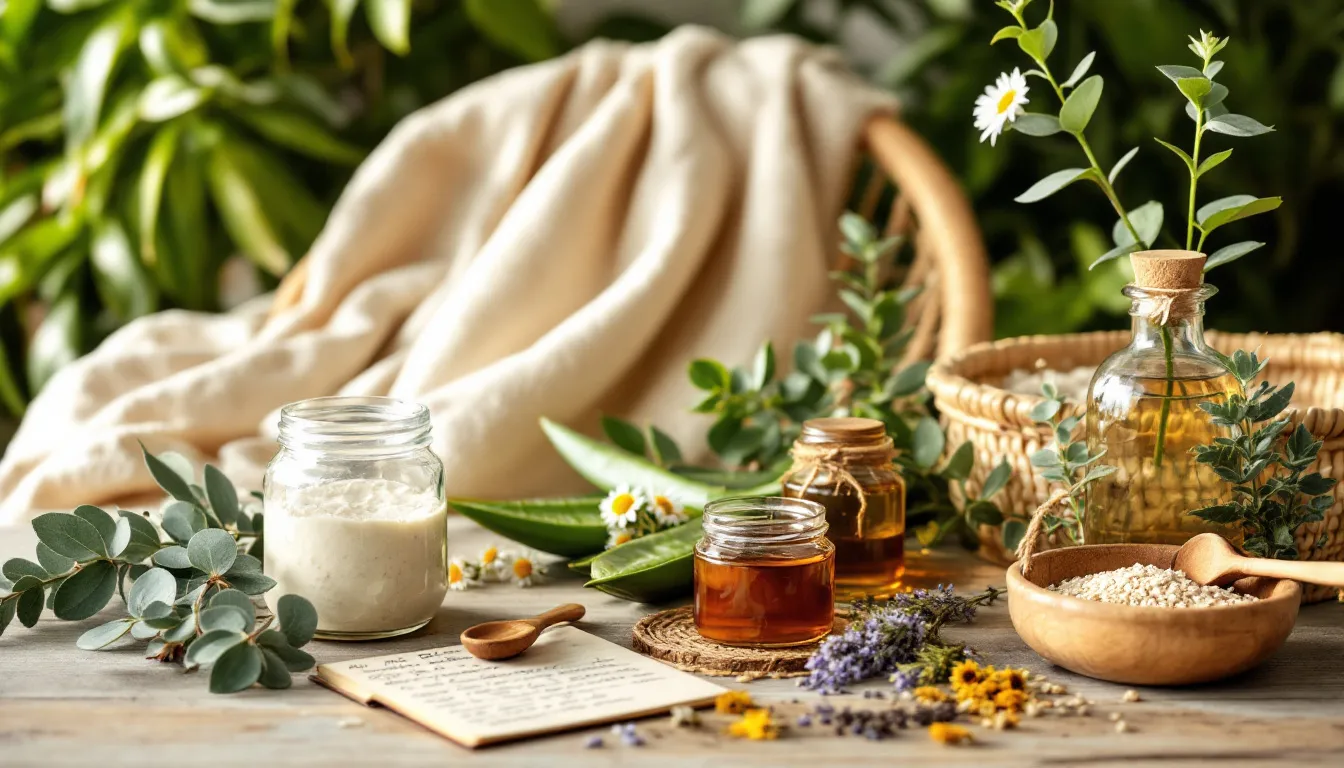
Natural topical treatments offer a gentle and effective way to manage psoriasis symptoms. Here are some natural substances that can help alleviate inflammation, redness, and scaling associated with psoriasis:
- Aloe vera
- Coconut oil
- Tea tree oil
- Jojoba oil
- Oatmeal
Incorporating these treatments into your skincare routine can provide significant relief and enhance the effectiveness of conventional therapies.
These natural remedies can complement traditional treatments, offering a holistic approach to managing psoriasis. By using natural substances, you can reduce the reliance on steroid creams and other harsh treatments, making your skincare routine more sustainable and gentle on the skin.
Apple Cider Vinegar
Diluted apple cider vinegar is a popular home remedy for relieving itching associated with scalp psoriasis. Applying a diluted mixture of apple cider vinegar can help alleviate discomfort and reduce itchiness, according to the National Psoriasis Foundation.
However, results can vary, and it’s essential to use it cautiously to prevent skin irritation.
Epsom Salts
Epsom salt baths are known to provide relief from psoriasis symptoms by softening psoriatic scales and reducing irritation. Bathing in Epsom salts can ease inflammation, help remove flaky skin, and provide a soothing experience for individuals with plaque psoriasis.
Regular use of Epsom salt baths can significantly improve skin comfort and reduce the severity of symptoms.
Tea Tree Oil
Tea tree oil is noted for its anti-inflammatory and antimicrobial properties, making it a useful remedy for psoriasis. Applying tea tree oil to affected areas can help reduce redness, decrease the risk of infection, and alleviate inflammation.
This natural treatment is particularly beneficial for managing the symptoms to treat psoriasis and maintaining healthy skin.
Light Therapy at Home
Light therapy is an effective treatment option for psoriasis that can be performed at home. Using specialized UVB light devices ensures consistent treatment and targeted exposure to beneficial light wavelengths. This method can significantly reduce the severity of psoriasis symptoms and promote longer remissions.
Natural sunlight also contains UVB and UVA rays, which can help improve psoriasis symptoms by slowing down skin cell production. However, it’s essential to protect your skin from excessive sun exposure to minimize the risk of developing skin cancer. Balancing sun exposure with protective measures can provide significant benefits for managing psoriasis.
UVB Light Devices
UVB light devices are an effective tool for home phototherapy. UVB phototherapy slows down skin cell production, reducing psoriasis symptoms and promoting healthier skin.
Optimal results often require conducting these sessions two or three times a week for consistent and effective treatment.
Sun Exposure
Moderate sun exposure can help improve moderate psoriasis symptoms by slowing down skin cell production. At-home UVB light devices can mimic the effects of natural sunlight, providing a controlled and effective treatment option.
It’s crucial to balance sun exposure with protective measures to minimize the risk of developing skin cancer and ensure safe and beneficial treatment.
Lifestyle Changes
Implementing lifestyle changes can significantly impact the management of psoriasis symptoms. Regular skincare practices, stress management, and physical activity can help reduce the frequency and intensity of flare-ups. By incorporating these changes into your daily routine, you can enhance your overall well-being and manage psoriasis more effectively.
These lifestyle adjustments, combined with other treatments, can provide a holistic approach to managing psoriasis. Regular exercise, stress reduction techniques, and using gentle skincare products can make a significant difference in your quality of life and help you manage psoriasis symptoms more effectively.
Stress Management
Stress is a common trigger for psoriasis flare-ups, making stress reduction techniques essential for managing symptoms. Practices such as meditation, yoga, and exercise can effectively alleviate stress and control psoriasis.
Incorporating these techniques into your routine can reduce the frequency of flare-ups and improve your overall well-being.
Regular Exercise
Regular physical activity not only promotes overall health but also helps ease symptoms associated with psoriatic arthritis. Consistent exercise can alleviate joint discomfort and improve your quality of life.
By staying active, you can enhance your physical and mental well-being, making it easier to manage psoriasis symptoms.
Avoid Harsh Soaps
Using mild, fragrance-free soaps is crucial for individuals with psoriasis to help prevent skin irritation and protect sensitive areas. Opting for gentle cleansers can minimize skin irritation and safeguard sensitive areas affected by psoriasis.
Avoiding harsh soaps helps maintain skin integrity and reduces the risk of exacerbating psoriasis symptoms.
Herbal Remedies
Herbal remedies can provide additional relief for psoriasis symptoms, complementing conventional treatments. Herbs like turmeric, Mahonia aquifolium, and milk thistle can help reduce inflammation and improve overall skin health when incorporated into your routine. These natural treatments offer a holistic approach to managing psoriasis, enhancing the effectiveness of other treatment options.
Using herbal remedies can relieve psoriasis symptoms due to their natural anti-inflammatory properties. Turmeric, for example, contains curcumin, which helps reduce flare-ups. Mahonia aquifolium, also known as Oregon grape, can be applied as a cream to reduce inflammation and improve skin condition.
Milk thistle supports liver health, which can indirectly lead to better skin conditions in psoriasis sufferers.
Turmeric
Turmeric is a popular herbal remedy known for its potential benefits in managing psoriasis symptoms. It contains curcumin, which exhibits anti-inflammatory properties that can help reduce psoriasis flare-ups.
Turmeric can be consumed in food, taken as a supplement, or applied topically as a paste mixed with water or oils to benefit psoriasis.
Mahonia Aquifolium
Mahonia aquifolium, commonly called Oregon grape, contains compounds that can help reduce skin inflammation and promote healthier skin when applied as a cream. Clinical trials have shown that Mahonia aquifolium can significantly decrease psoriasis symptoms, making it a valuable addition to your skincare routine.
Milk Thistle
Milk thistle is an herbal remedy often used to support liver health and detoxification, which can be beneficial for individuals with psoriasis. It contains silymarin, a compound with antioxidant and anti-inflammatory effects that promote liver detoxification.
By improving liver function and overall health, milk thistle may help reduce psoriasis symptoms and improve the quality of life for those affected.
Frequently Asked Questions
How does aloe vera help in managing psoriasis?
Aloe vera can really help manage psoriasis by soothing redness and promoting healing of scaly patches when applied regularly. It’s definitely worth trying for relief!
Can dietary changes really impact psoriasis symptoms?
Absolutely! Making dietary changes, like adding omega-3 fatty acids and cutting out gluten and dairy, can really help alleviate psoriasis symptoms and enhance your skin’s health.
What are the benefits of using coconut oil for psoriasis?
Using coconut oil for psoriasis can significantly improve your skin by providing deep hydration, soothing flare-ups, and helping to reduce symptoms when you use it regularly. It’s a simple, natural solution that many find effective!
How effective is UVB light therapy for treating psoriasis at home?
UVB light therapy is quite effective for treating psoriasis at home since it slows down skin cell production and allows for targeted exposure, which helps manage symptoms effectively. Just be sure to use the devices as directed for the best results.
Are herbal remedies like turmeric and milk thistle beneficial for psoriasis?
Yes, herbal remedies like turmeric and milk thistle can be beneficial for psoriasis as they may help reduce symptoms and support overall health when used alongside conventional treatments.