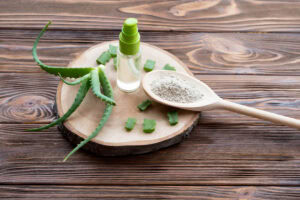
Searching for the best homemade aloe vera face mask to improve your skin? This guide provides easy, effective recipes using fresh aloe vera. Learn how to harness aloe’s benefits and find the perfect DIY mask for hydration, soothing, and brightening.
Key Takeaways
- Aloe vera is a powerhouse for skin, offering hydration, anti-inflammatory benefits, and natural exfoliation.
- You can easily create DIY aloe vera face masks using fresh gel, combining it with ingredients like honey, lemon, and coconut oil to target specific skin concerns.
- Always patch test before using aloe vera masks, store them properly in airtight containers, and refrigerate the gel to keep it fresh for up to a week.
Why Aloe Vera is Great for Your Skin

Aloe vera is a skincare gem, revered for its ability to nourish, hydrate, and prevent wrinkles. This versatile plant is packed with vitamins, minerals, and antioxidants that work together to enhance skin health. The gel extracted from aloe vera leaves is a natural moisturizer that penetrates deeply into the skin, providing hydration and preventing dryness.
The anti-inflammatory properties of aloe vera make it an excellent remedy for reducing swelling and redness.
Whether you’re dealing with sunburn, acne, or other skin irritations, aloe vera can soothe and calm your skin, offering immediate relief. Its antibacterial properties also make it effective in treating acne, as it helps to clear out bacteria and exfoliate dead skin cells, promoting a clearer complexion.
Additionally, aloe vera’s exfoliating enzymes aid in remove dead skin cells, promoting the regeneration of new, healthy skin. This natural exfoliation process helps to keep the skin smooth and radiant. With such a wide range of skin benefits, it’s no wonder that aloe vera has become a staple in skincare routines around the globe.
How to Harvest Fresh Aloe Vera Gel
Harvesting fresh aloe vera gel is a simple process that can significantly enhance the effectiveness of your DIY face masks. Start by selecting a mature aloe vera plant that is at least a couple of years old, as it will yield the best gel. Using a sharp knife, cut the thick, fleshy leaves from the base of the plant.
Once you have your aloe vera leaves, it’s crucial to remove the yellow sap, also known as aloin, as it can cause irritation to the skin. Lay the cut leaves flat and allow the yellow sap to drain out.
After this, use a spoon to scoop out the clear gel from the leaves, discarding the edges. This gel is your key ingredient for creating nourishing face masks.
Store the harvested gel in a sealed container in the refrigerator to keep it fresh. This will keep the gel fresh for a few days, ready for use whenever you need a quick skin pick-me-up. With your fresh aloe vera gel prepared, you’re all set to create a variety of DIY face masks tailored to your skin’s needs.
DIY Aloe Vera Face Mask Recipes
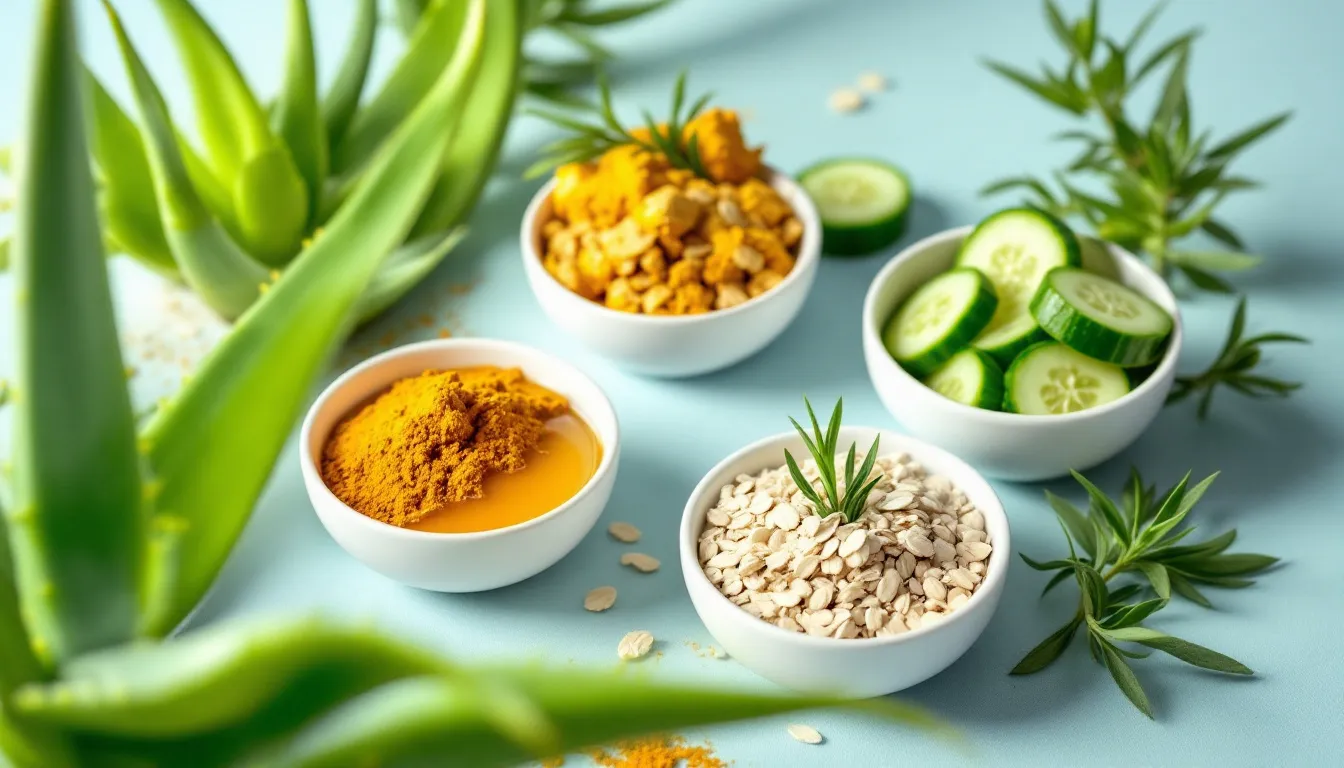
Creating your own DIY aloe vera face masks can be a delightful and rewarding experience. Not only do you get to customize the ingredients to suit your skin’s specific needs, but you also ensure that you’re using fresh, natural components. The first step in any aloe vera face mask recipe is to prepare the aloe vera gel by peeling the thin edges of the leaves and discarding them.
In the following sections, we’ll explore three easy and effective aloe vera face mask recipes. Each recipe is designed to address different skin concerns, from soothing irritated skin to brightening your complexion and deeply hydrating dry skin. Let’s dive into these simple yet powerful DIY recipes!
Aloe Vera and Honey Mask for Soothing
The aloe vera and honey mask is a perfect remedy for soothing irritated skin. Mix fresh aloe vera gel and honey in a 1:2 ratio to prepare this mask. Mix the ingredients until you have a smooth paste. The combination of aloe vera and honey not only hydrates but also reduces redness and irritation.
Apply the mixture evenly across your face and let it sit for about 20 minutes. During this time, the mask will work its magic, soothing your skin and enhancing moisture levels. This mask is particularly beneficial for those with acne-prone or sensitive skin, as it helps to calm inflammation and provide much-needed hydration.
After 20 minutes, rinse off the mask with warm water and pat your skin dry with a clean towel. You’ll notice an immediate difference in your skin’s texture and appearance, making this honey mask a go-to for soothing and moisturizing your skin.
Aloe Vera and Lemon Juice Mask for Brightening
For a brightening and rejuvenating treatment, the aloe vera and lemon juice mask is an excellent choice. This mask combines the hydrating properties of aloe vera with the natural bleaching effects of lemon juice to reduce dark spots and even out skin tone.
Mix equal parts fresh aloe vera gel and lemon juice to prepare this mask. Apply the mixture to your face and leave it on for 15-20 minutes before rinsing off with warm water.
This simple yet effective mask will leave your skin feeling refreshed and visibly brighter.
Aloe Vera and Coconut Oil Mask for Hydration
If you’re dealing with dry skin, the aloe vera and coconut oil mask can provide deep hydration. Combining the moisturizing properties of coconut oil with the hydrating benefits of aloe vera, this mask is perfect for restoring moisture to parched skin.
Mix fresh aloe vera gel with coconut oil until well combined. Apply the mixture to your face. Leave it on for about 20 minutes. This mask not only hydrates but also nourishes the skin, leaving it soft, supple, and glowing.
Types of Aloe Vera Face Masks
There are many different types of aloe vera face masks, each designed to address specific skin concerns. From basic recipes to more elaborate combinations, aloe vera can be paired with various ingredients to enhance its benefits.
In the following subsections, we’ll explore six different types of aloe vera face masks, each offering unique skin benefits. Whether you’re looking to soothe, brighten, hydrate, or rejuvenate your skin, these recipes have got you covered.
1. Basic Aloe Vera Face Mask
A basic aloe vera face mask is simple yet effective. You’ll need 2 teaspoons of aloe vera gel, 1 teaspoon of lemon juice, and 1 teaspoon of organic honey. Mix these ingredients until well combined and apply the mask to clean skin.
Leave it on for about 15 minutes before rinsing off with warm water. This basic mask helps to hydrate, brighten, and moisturize your skin.
2. Aloe Vera and Honey Face Mask
The aloe vera and honey face mask is a fantastic option for those with dry or irritated skin. Honey is known for its moisturizing and antibacterial properties, making it an excellent partner for aloe vera.
To prepare this mask, mix equal parts of aloe vera gel and honey until well combined. Apply the mixture to your face and leave it on for about 10-15 minutes before rinsing off with warm water.
This mask helps to hydrate, soothe, and reduce bacterial growth on the skin, making it ideal for acne treatment.
3. Aloe Vera and Turmeric Face Mask
Turmeric is celebrated for its anti-inflammatory and antibacterial benefits, making it a powerful addition to an aloe vera face mask. This combination can help reduce acne and soothe irritated skin.
Mix aloe vera gel with a pinch of turmeric to create this mask. Apply the mixture to your face and leave it on for about 15 minutes before rinsing off with warm water. This mask offers a natural way to achieve clearer, healthier skin.
4. Aloe Vera and Lemon Face Mask
Lemon is valued for its brightening effects, helping to improve skin tone and exfoliate dead skin cells. Combining lemon juice with aloe vera gel creates a powerful mask that can rejuvenate and brighten your complexion.
To prepare this mask, combine equal parts of aloe vera gel and lemon juice. Apply the mixture to your face and leave it on for about 10-15 minutes before rinsing off with warm water. This mask will leave your skin looking fresh and radiant.
5. Aloe Vera and Yogurt Face Mask
Yogurt is beneficial for skin hydration and has properties that can brighten the complexion. When combined with aloe vera, it creates a mask that provides deep hydration and a brighter, more even skin tone.
To prepare this mask, mix aloe vera gel with yogurt in equal parts until well combined. Apply the mixture to your face and leave it on for about 15 minutes before rinsing off with warm water. This mask is perfect for those looking to hydrate and brighten their skin.
6. Aloe Vera and Cucumber Face Mask
Cucumber is prized for its soothing, cooling effects on the skin, making it an ideal ingredient for a refreshing face mask. Combining cucumber with aloe vera gel can help soothe irritated skin and provide a cooling sensation.
To prepare this mask, blend cucumber and mix it with aloe vera gel until smooth. Apply the mixture to your face and leave it on for about 15-20 minutes before rinsing off with warm water. This mask will leave your skin feeling refreshed and revitalized.
Customizing Your Aloe Vera Face Mask
Customizing your aloe vera face mask allows you to tailor it to your skin’s specific needs. Adding different ingredients enhances the mask’s benefits. For example, combining yogurt with aloe vera can help even out skin tone and provide hydration, while adding turmeric can enhance its antioxidant properties.
A recommended ratio for mixing aloe vera with additional ingredients is a 1:1 ratio of aloe to add-ins. Whether you’re looking to brighten, hydrate, or soothe your skin, customizing your aloe vera face mask with various ingredients can provide targeted benefits.
How to Apply and Remove Your Aloe Vera Face Mask
Applying and removing your aloe vera face mask correctly is essential for optimal results. Start by applying the mask evenly across your face to ensure full coverage. Leave it on for about 10 minutes to allow the ingredients to penetrate your skin.
When it’s time to remove the mask, use warm water to rinse it off thoroughly. After rinsing, gently pat your skin dry with a clean towel. Following the mask removal, apply a moisturizer to keep your skin hydrated and enhance the benefits of the mask.
Safety Tips and Patch Testing
Safety is paramount when using aloe vera face masks. Always conduct a patch test on your skin before applying the mask to your face to check for any allergic reactions. Apply a small amount of aloe vera gel to a discreet area, such as the inner arm, and monitor for any signs of irritation. If any irritation occurs, such as itching or swelling, avoid using aloe vera on your face.
Avoid using aloe vera on broken skin or severe wounds. Consult with a healthcare professional if you have any concerns about using aloe vera, especially if you have existing skin conditions.
By following these safety tips, you can enjoy the benefits of aloe vera while minimizing the risk of adverse reactions.
Storage Tips for Homemade Aloe Vera Masks
Proper storage of homemade aloe vera masks is crucial to maintain their freshness and effectiveness. Store your aloe vera face masks in airtight containers to prevent bacterial growth. Refrigerated aloe vera gel can retain its freshness for up to a week.
- Label containers with the date of preparation to track freshness.
- Store leftover aloe vera masks in the refrigerator to keep them fresh and ready for use whenever needed.
These storage tips help maintain the effectiveness and safety of your homemade aloe vera masks.
Summary
At the end of the day, aloe vera is a versatile and powerful ingredient that offers numerous benefits for the skin. From its hydrating and anti-inflammatory properties to its ability to treat acne and soothe irritation, aloe vera is a must-have in any skincare routine. Harvesting fresh aloe vera gel is simple and allows you to create a variety of DIY face masks tailored to your skin’s needs.
We’ve explored several easy-to-make aloe vera face masks, each designed to address specific skin concerns. Whether you’re looking to soothe, brighten, hydrate, or rejuvenate your skin, aloe vera combined with other natural ingredients can provide the perfect solution. By following the tips on applying, removing, and storing these masks, you can enjoy the full benefits of aloe vera and achieve glowing, healthy skin.
Frequently Asked Questions
How often should I use an aloe vera face mask?
For best results, use an aloe vera face mask 2-3 times a week, adjusting based on your skin type and needs. Your skin will appreciate the extra hydration and soothing benefits!
Can I use store-bought aloe vera gel instead of fresh aloe vera gel?
Absolutely, you can use store-bought aloe vera gel, just ensure it’s pure and doesn’t have any unwanted additives for optimal benefits.
How long can I store homemade aloe vera masks in the refrigerator?
You can store homemade aloe vera masks in the refrigerator for up to a week. Just make sure to keep them in airtight containers to keep them fresh!
Is it safe to use aloe vera on sensitive skin?
Yes, aloe vera is usually safe for sensitive skin, but make sure to do a patch test first to avoid any reactions. It’s always better to be safe!
Can I use aloe vera face masks if I have acne-prone skin?
Absolutely, aloe vera is great for acne-prone skin thanks to its antibacterial properties. Pairing it with honey can boost its effectiveness even more!