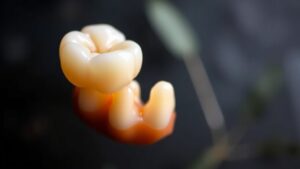
Tooth decay doesn’t always mean a trip to the dentist-some home remedies can help manage cavities before they worsen. Cavities form when bacteria in plaque produce acids that erode enamel, leading to pain, sensitivity, or visible pits in teeth. While severe cases need professional care, early-stage decay might respond to natural approaches like oil pulling or licorice root. Simple diet changes, such as cutting back on sugar, can also slow damage. The key is acting promptly before minor issues turn into bigger problems.
Oil Pulling With Coconut Oil
Though it could sound unusual, swishing coconut oil in the mouth-known as oil pulling-has been used for centuries to support oral health. The oil pulling benefits include reducing harmful bacteria, preventing plaque buildup, and freshening breath.
To practice the oil pulling technique, take a tablespoon of coconut oil and swish it around the mouth for 15-20 minutes, then spit it out. The oil traps bacteria and toxins, which can help slow tooth decay. Some find it easier to start with shorter sessions, gradually increasing the time.
While not a replacement for brushing or flossing, oil pulling can be a helpful addition to daily oral care. Consistency matters-doing it daily will improve results. Always use high-quality, unrefined coconut oil for the best effect.
Using Licorice Root Extract
Licorice root extract has gained attention for its potential role in fighting cavities naturally. Its licorice root active compounds, like glabridin and licoricidin, target harmful bacteria in the mouth. Studies suggest these compounds can disrupt plaque formation, reducing decay.
- Antimicrobial Action: The licorice root antimicrobial properties help inhibit bacteria like Streptococcus mutans, a major cavity culprit.
- Anti-Inflammatory Effects: It soothes gum irritation, promoting healthier oral tissue.
- Easy Application: Chewing licorice root sticks or using a diluted extract rinse could deliver benefits.
While not a replacement for dental care, licorice root offers a supportive, natural option. Always consult a dentist before trying new remedies, especially for persistent issues. Its mild sweetness makes it a palatable choice for oral health maintenance.
Applying Clove Oil for Pain Relief
Ever marveled how something as simple as clove oil could alleviate tooth pain? Its analgesic properties come from eugenol, a natural compound that numbs nerves and reduces discomfort. To use it, dab a cotton swab in diluted clove oil and gently apply it to the sore area. The pain-relieving benefits kick in quickly, offering temporary relief from cavities or gum irritation.
Some people also mix it with coconut oil for a milder effect. However, overuse can irritate gums, so moderation is key. While it won’t cure cavities, clove oil eases symptoms until professional care is available. Its soothing warmth makes it a trusted home remedy for generations, blending ancient wisdom with modern needs. Always test a small amount first to avoid reactions.
Increasing Vitamin D Intake
Vitamin D plays an essential role in reinforcing teeth and deterring cavities through facilitating calcium assimilation. Natural origins like oily fish, egg yolks, and enriched dairy goods can assist in meeting daily requirements.
Comprehension of the appropriate quantity of Vitamin D mandatory upholds improved oral health and general welfare.
Benefits of Vitamin D
Why does sunlight feel so good? It’s because sunshine exposure triggers the body to produce vitamin D, a nutrient crucial for strong teeth and bones. Beyond boosting oral health, vitamin D offers wide-ranging benefits, whether from sunlight or vitamin D supplements.
Vitamin D helps the body assimilate calcium, a key mineral for preventing cavities and maintaining enamel. A well-functioning immune system fights oral bacteria, reducing decay risks. Healthy vitamin D levels may lower gum disease risk by easing swelling.
Deficiencies can weaken teeth, making them prone to decay. While sunshine is a natural source, supplements guarantee consistent intake, especially in cloudy climates. Balancing both methods maximizes benefits without overexposure to UV rays. For those managing cavities, vitamin D is a straightforward yet powerful ally.
Best Vitamin D Sources
Maintaining strong teeth and bones relies on getting enough vitamin D, but comprehension of where to find it makes all the difference. Sunshine exposure is one of the easiest ways to boost levels-just 10–15 minutes of midday sun a few times a week helps the skin produce it naturally.
For those with limited sun access, food fortification plays a key role. Many dairy products, plant-based milks, and cereals are enriched with vitamin D. Fatty fish like salmon, mackerel, and sardines are also excellent natural sources. Egg yolks and mushrooms exposed to sunlight offer smaller but still helpful amounts.
Combining these options guarantees a steady intake, supporting both oral and general health without relying solely on supplements.
Daily Vitamin D Requirements
Since many people struggle to meet their nutritional needs, awareness of how much vitamin D the body requires daily can help prevent deficiencies. The recommended daily intake varies with age, with adults typically needing 600–800 IU, while children and seniors may necessitate adjustments.
Natural sunlight exposure: Spending 10–30 minutes in midday sun, depending on skin tone, enables the body to produce vitamin D naturally.
Dietary sources: Fatty fish, fortified dairy, and egg yolks provide vitamin D, but many fall short without careful planning.
Vitamin D supplements: For those with limited sun access or dietary gaps, supplements can bridge the deficiency, though consulting a healthcare provider guarantees proper dosage.
Balancing these methods supports strong teeth and overall health, reducing cavity risks associated with deficiencies.
Chewing Sugar-Free Gum With Xylitol
Chewing sugar-free gum with xylitol helps stimulate saliva production, which naturally washes away food particles and acids.
It also reduces harmful bacteria in the mouth, making it harder for cavities to form. This simple habit can be an easy addition to daily oral care routines.
Stimulates Saliva Production
One simple way to help fight cavities is through chewing sugar-free gum with xylitol. This habit stimulates saliva flow, which plays a key role in protecting teeth. Saliva helps wash away food particles, neutralizes acids, and provides minerals to strengthen enamel.
Here’s how it works:
- Increases saliva production: Chewing signals the salivary glands to release more fluid, keeping the mouth moist and reducing dry mouth, a common cause of decay.
- Dilutes harmful acids: Saliva dilutes acids produced by bacteria, lowering the risk of enamel erosion.
- Promotes remineralization: The minerals in saliva, like calcium and phosphate, help repair early tooth damage.
Regularly chewing xylitol gum can be an easy addition to oral care, especially after meals when saliva production naturally declines.
Reduces Harmful Bacteria
Sugar-free gum with xylitol doesn’t just freshen breath-it actively fights the bacteria responsible for cavities. Xylitol, a natural sweetener, inhibits the growth of harmful bacteria like Streptococcus mutans, which thrive on sugar and produce acid that erodes enamel.
Unlike sugar, xylitol disrupts their ability to adhere to teeth, reducing plaque accumulation. Chewing gum with xylitol also promotes a healthy oral microbiome by encouraging beneficial bacteria while keeping harmful ones in check.
Studies demonstrate regular use can lower cavity risk by slowing decay-causing bacteria. For optimal results, chew xylitol gum after meals as saliva production is naturally lower at that time. This simple habit supports oral health without the need for harsh chemicals, making it an easy addition to daily routines.
Rinsing With Saltwater Solution
- Preparation: Dissolve half a teaspoon of salt in warm water for a gentle, effective rinse.
- Frequency: Use it 2–3 times daily, especially after meals, to maintain oral balance.
- Benefits: Saltwater minimizes bacteria, accelerates minor wound healing, and temporarily relieves pain.
This remedy is accessible and low-risk, making it a practical addition to cavity management. However, persistent issues still require professional attention.
Consuming More Dairy Products
Dairy products like milk, cheese, and yogurt can help strengthen tooth enamel through providing calcium and other minerals. Regular consumption could lower the risk of cavities via neutralizing acids in the mouth.
These foods also promote general dental health by maintaining strong teeth and reducing harmful bacteria.
Boosts Enamel Strength
Eating more dairy products can help strengthen tooth enamel because they’re packed with calcium and phosphorus-two minerals that play a key role in rebuilding weakened surfaces. These nutrients work together to remineralize tooth enamel, reversing initial decay and protecting teeth from further damage. Dairy also hardens tooth enamel, making it more resistant to acids and bacteria.
Cheese stimulates saliva production, which neutralizes harmful acids and delivers minerals to enamel.
Yogurt contains probiotics that fight cavity-causing bacteria while providing enamel-strengthening calcium.
Milk coats teeth with protective proteins, reducing erosion and promoting remineralization.
Regularly including these foods in meals can fortify enamel naturally. For those lactose-intolerant, fortified alternatives like almond or soy milk offer similar benefits. Pairing dairy with good oral hygiene maximizes its protective effects.
Provides Essential Calcium
Several key nutrients in dairy play an essential role in maintaining strong teeth, with calcium standing out as one of the most crucial. Calcium helps rebuild and strengthen tooth enamel, making it a critical component in fighting cavities.
Dairy products like milk, cheese, and yogurt are excellent calcium-rich foods that support optimal calcium intake. Whenever teeth lack sufficient calcium, they become more vulnerable to decay. Including these foods in daily meals can help replenish lost minerals and protect teeth from further damage.
For those who avoid dairy, fortified plant-based alternatives can also provide this critical nutrient. Ensuring a steady supply of calcium through diet supports general dental health, reducing the risk of weakened enamel and cavities over time.
Reduces Cavity Risk
While many foods can harm teeth, dairy products actively work to lower the chances of cavities. Rich in calcium and phosphorus, they strengthen enamel and neutralize acids that cause decay. Dairy also promotes bone health, supporting strong teeth from the roots up.
Here’s how dairy helps:
- Enhances remineralization – Cheese, milk, and yogurt replenish minerals lost to acidic foods, repairing premature decay.
- Stimulates saliva – Dairy increases saliva flow, washing away harmful bacteria and food particles.
- Creates a protective barrier – Casein, a protein in dairy, forms a thin layer over enamel, shielding it from erosion.
Regularly including dairy in meals can slow cavity formation, especially when combined with good oral hygiene. Opt for unsweetened varieties to avoid added sugars that undermine these benefits.
Drinking Green or Black Tea
Could sipping tea actually help fight cavities? Green and black tea contain powerful antioxidant properties that can support improved oral health. These teas are rich in polyphenols, which can slow the growth of harmful bacteria in the mouth, reducing plaque buildup and cavity risk.
The natural fluoride in tea also strengthens tooth enamel, making it more resistant to decay. Drinking unsweetened tea-especially without added sugar-helps prevent acid erosion while keeping saliva production balanced, which naturally cleanses teeth. For best results, swish the tea gently before swallowing to maximize its benefits.
Though not a replacement for brushing, incorporating tea into a daily routine can be a simple, soothing way to protect teeth. Just remember, moderation is key-too much tea can stain enamel over time.
Using Aloe Vera Gel on Affected Teeth
Aloe vera gel, known for soothing burns and skin irritations, can also provide benefits for teeth affected by cavities. Its natural properties help combat decay while offering relief from discomfort.
Antimicrobial Action: Aloe vera gel’s antimicrobial properties target cavity-causing bacteria, reducing plaque buildup and slowing decay.
Inflammation Relief: Aloe vera gel’s anti-inflammatory effects soothe irritated gums, easing pain around affected teeth.
Gentle Application: Applying a small amount directly to cavities can promote healing without harsh chemicals, making it a mild yet effective option.
For best results, use pure aloe vera gel and apply it twice daily. Whereas it won’t reverse severe decay, it can support oral health alongside other remedies. Whenever pain persists, always consult a dentist.
Eating Foods Rich in Probiotics
Probiotics, often called “good bacteria,” play a surprising role in oral health through assisting in balancing the mouth’s microbiome. These beneficial microbes compete with harmful bacteria, reducing plaque buildup and supporting stronger teeth. Including probiotic-rich foods like yogurt, kefir, sauerkraut, and kimchi in the diet can promote a healthier oral environment.
Since gut health and oral health are connected, boosting gut health with probiotics can indirectly protect teeth by enhancing digestion and nutrient absorption. Fermented foods, in particular, introduce live cultures that can outperform cavity-causing bacteria. While probiotics alone won’t reverse cavities, they contribute to a balanced oral ecosystem, making it harder for decay to progress. Consistent consumption of these foods supports overall wellness while aiding in cavity prevention.
Avoiding Sugary and Acidic Foods
Sugary and acidic foods create a perfect storm for cavities through feeding harmful bacteria and eroding tooth enamel. Reducing sugary snack intake and avoiding acidic beverages like soda or citrus juices can considerably lower the risk of decay. These substances weaken enamel, making teeth more vulnerable to damage.
- Swap sweets for healthier options: Choose fruits or nuts instead of candy to satisfy cravings without harming teeth.
- Rinse after acidic drinks: Water helps neutralize acids, protecting enamel from erosion.
- Limit frequent snacking: Constant eating keeps bacteria active, so spacing out meals gives saliva time to repair teeth.
Small changes in diet can make a big difference in oral health. Sticking to less harmful alternatives keeps teeth stronger and reduces cavity risks over time.