

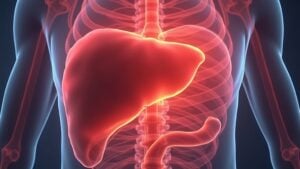
Acute pain in the liver region can feel distressing, frequently emerging abruptly or intensifying over time. It could be linked to conditions like acute viral hepatitis, alcohol-related liver damage, autoimmune hepatitis, or even liver cancer. Sometimes, the pain actually originates from the gallbladder, pancreas, or blood clots obstructing liver veins, adding more perplexity. Since these causes can overlap or mimic one another, comprehension of what’s genuinely behind the discomfort becomes all the more crucial-particularly when every ache feels like an alert.
Acute Viral Hepatitis
Occasionally, life throws unexpected health challenges, and acute viral hepatitis is one that can catch anyone off guard. This condition happens when viruses-most often hepatitis A, B, or C-trigger sudden liver inflammation. As the liver swells and its tissue becomes irritated, individuals may notice sharp liver pain or persistent abdominal pain, often below the right ribcage. These symptoms can come alongside nausea, fatigue, and a telltale yellowing of the skin and eyes called jaundice.
Hepatitis A usually spreads through contaminated food or water, while hepatitis B and C are passed through blood. Without prompt attention, the inflammation and swelling can progress, leading to chronic liver disease or, in severe cases, liver failure. Identifying these signs early on can make a real difference.
Alcohol-Induced Liver Disease
Beyond infections like hepatitis, another serious threat to liver health comes from something much closer to home: alcohol. Alcohol-induced liver disease can appear quietly to begin with, as fatty liver disease develops from regular alcohol consumption. This initial stage often causes a dull ache or a feeling of fullness in the right upper abdomen.
With continued drinking, inflammation sets in, leading to alcoholic hepatitis. At this juncture, individuals may notice sharp, stabbing liver pain in the same area, along with other symptoms like tenderness or discomfort. Should alcohol use continue, the liver’s damage can progress to cirrhosis-a stage marked by permanent scarring and a constant, throbbing pain. Each step brings more risk, as healthy liver tissue is slowly replaced by scar tissue, making every drink matter.
Autoimmune Hepatitis
Autoimmune hepatitis brings a singular challenge, as the immune system erroneously targets wholesome liver cells, leading to inflammation and pain that can feel acute or lingering. Individuals might detect symptoms like yellowing skin, belly pain, or even unusual tiredness, and it tends to manifest more frequently in women.
Comprehending how these immune assaults occur and the indicators to monitor is vital, especially since timely attention can help safeguard the liver from grave damage.
Immune System Attack Mechanism
Most often, the immune system acts as the body’s loyal protector, keeping harmful invaders like viruses and bacteria at bay. However, in autoimmune hepatitis, this system becomes confused. Instead of defending, it wrongly targets the body’s own liver cells.
The immune system produces autoantibodies that attack healthy liver tissue. This misguided attack sparks inflammation and causes ongoing damage. Over time, the liver struggles to heal itself, and scarring develops-a process called cirrhosis. In the event that it is left untreated, the damage can progress, eventually leading to liver failure.
Doctors often notice rising liver enzymes in blood tests, a sign that liver cells are being harmed. Unlike infections, this process is an internal conflict, where the body’s natural defenses become its own worst enemy.
Symptoms and Risk Factors
As the immune system turns against the liver, the body sends out warning signs that something is amiss. Autoimmune hepatitis, an inflammation where immune cells mistakenly attack healthy liver tissue, often causes subtle symptoms at the start. Numerous notice vague abdominal pain or discomfort in the upper right side, sometimes confused with issues like fatty liver disease or nonalcoholic steatohepatitis.
As inflammation worsens, symptoms such as fatigue, yellowing of the skin or eyes (jaundice), and elevated liver enzymes might appear. Liver pain can become more pronounced, signaling deeper trouble. Risk factors include being female, certain genetic tendencies, and a personal history of other autoimmune conditions.
Should autoimmune hepatitis progress, it can lead to cirrhosis, a serious scarring of the liver, and eventually, liver failure if left unmanaged.
Liver Cancer
Liver cancer is a grave condition that can trigger piercing pain and other distressing symptoms like jaundice, weight reduction, and an abrupt loss of appetite. Comprehending initial warning signals and recognizing the major risk elements, such as long-term hepatitis infections or heavy alcohol use, can make a real difference in apprehending this disease before it spreads.
Because treatment possibilities and the prognosis for recovery hinge so much on early diagnosis, identifying these changes in your health is incredibly crucial.
Early Warning Signs
How can someone recognize the subtle hints their body gives as something isn’t quite right with the liver? Liver cancer can be tricky, often sneaking in quietly with few early warnings.
One may notice a persistent ache or liver pain in the upper right abdomen. Sometimes, there’s vague abdominal pain or discomfort that just won’t go away. Unexplained weight loss, feelings of fatigue, and a sudden lack of energy could also signal something more than everyday tiredness.
As the disease progresses, jaundice-yellowing of the skin and eyes-can appear. Nausea, vomiting, and loss of appetite are other signs to watch for, often making meals less appealing. Occasionally, there might be an unexplained fever or chills, adding to the body’s silent call for attention.
Risk Factors Overview
In the event that those initial warning signs emerge-such as a persistent ache in the upper right abdomen or unexplained fatigue-it’s understandable to ponder what could potentially jeopardize someone’s liver health. Several causes can put a person at risk for developing liver cancer.
Chronic liver disease, whether from viral hepatitis or long-term alcohol use, often leads to cirrhosis, a condition that increases the chance of pain and cancer. Nonalcoholic fatty liver disease, especially in those with obesity or type 2 diabetes, is another leading factor. Consuming foods with aflatoxins, being exposed to chemicals like vinyl chloride or arsenic, and having a family history of liver disease or genetic traits such as hemochromatosis, can also raise one’s risk. Identifying these factors highlights why monitoring abdominal pain and liver health is so crucial.
Treatment and Prognosis
What happens next whenever someone hears the words “liver cancer” can feel overwhelming, as treatment choices and chances for recovery rapidly become the focal point of attention. The path forward depends on the cancer’s stage and a person’s overall health. Initial detection through regular surveillance can open up more treatment options, including surgical removal of the tumor or even liver transplantation, which can be curative for some. For others, therapies like local ablation, TACE, targeted medicines, or radiation may be recommended. A multidisciplinary team works together to reduce risks-such as bleeding, infection, or liver dysfunction-that can arise during treatment. The prognosis improves with prompt intervention, but complications and tumor recurrence remain concerns.
| Treatment Options | Possible Complications |
|---|---|
| Liver transplantation | Bleeding, infection |
| Local ablation, TACE | Liver dysfunction |
Gallbladder Disease
Gallbladder disease often hides in plain sight, bringing sharp pain to the right upper side of the abdomen that can easily be mistaken for liver trouble. Whenever gallstones form, they can suddenly block the flow of bile, causing intense right upper quadrant pain.
This discomfort can radiate to the right shoulder, especially after eating fatty foods. At times, inflammation called cholecystitis develops, adding tenderness and sometimes fever. Even without visible stones, gallbladder sludge can provoke pain and digestive upset.
Biliary colic often comes in waves, starting suddenly and fading over a few hours. Rarely, Mirizzi syndrome or Bouveret syndrome occur when stones block critical ducts, triggering severe pain and sometimes vomiting. These gallbladder issues mimic liver pain, making careful diagnosis essential for proper treatment.
Liver Abscess or Cyst
Sometimes, pain in the upper right side of the abdomen can point to secret problems inside the liver, such as a liver abscess or cyst. A liver abscess is a pocket of pus that forms due to a bacterial or parasitic infection, while a liver cyst refers to fluid-filled sacs developing within the liver tissue.
Both can trigger sharp discomfort in the upper right abdomen and might bring symptoms like fever, chills, nausea, or even weight loss. To find out what’s going on, doctors often use imaging tests-such as ultrasound, CT scan, or MRI-since these give a clear look at the liver’s inner workings. In some cases, a liver biopsy is needed to confirm the diagnosis and guide treatment decisions for these obscured liver issues.
Budd-Chiari Syndrome
A rare but serious cause of sharp liver pain is Budd-Chiari syndrome, a condition that arises as the veins draining blood from the liver become blocked. In Budd-Chiari syndrome, blood clots most often clog the hepatic veins, but growths, networks, or scarring can also be responsible.
As the blood flow slows, pressure builds up, causing liver congestion and sometimes even liver failure. People might notice sudden, severe abdominal pain, nausea, vomiting, or swelling from fluid buildup (ascites). The liver itself can become enlarged. Imaging-like Doppler ultrasound, CT scan, or MRI-helps spot blocked veins and guides care.
- Blood clots are the main culprit for blocked hepatic veins.
- Less frequently, growths, networks, or scarring obstruct blood flow.
- Liver congestion can progress to liver failure if untreated.
Pancreatitis and Other Mimics
Countless conditions can mimic sharp liver pain, making it imperative not to jump to conclusions based on symptoms alone. Pancreatitis, for example, is an inflammation of the pancreas that leads to sudden, intense abdominal pain. This discomfort can radiate to the back and might feel like it’s coming from the liver.
Common causes include gallstones blocking ducts, heavy alcohol consumption, infections, or certain medications. Alongside pain, people could notice nausea or unexpected weight loss-symptoms that can also signal pancreatic cancer.
Because different problems can cause similar pain, specialists often rely on imaging scans, endoscopic procedures, and tissue biopsies to pinpoint the true source. This detailed approach helps distinguish between liver conditions and other mimics, ensuring each person receives the most precise diagnosis and care.
Conclusion
While sharp liver pain can often seem mysterious or even alarming, the truth is that each cause-whether it’s viral hepatitis, liver cancer, or a gallbladder issue-has its own distinct clues and treatments. The theory that all liver pain means severe disease doesn’t always hold up. With careful diagnosis and prompt attention, many liver problems can be managed or even reversed. Identifying the signs and seeking help quickly truly makes a difference in protecting liver health.

