

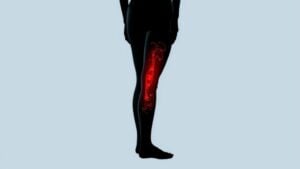
A warm sensation in the thigh can be puzzling, even uncomfortable. Sometimes it’s harmless, like tight pants pressing on nerves or a minor skin irritation from new laundry detergent. Other times, though, it could signal deeper issues-strained muscles, pinched nerves, or circulation troubles. Even medications or long hours sitting can play a role. The trick is noticing as soon as it lingers or worsens. Figuring out the cause means paying attention to whenever and how that warmth shows up.
Nerve Compression or Irritation
A warm sensation in the thigh can sometimes trace back to nerve compression or irritation. Whenever nerves like the femoral or lateral femoral cutaneous nerve get pinched or irritated, they can send unusual signals, including heat or tingling.
This often happens due to pressure from tight clothing, prolonged sitting, or even weight gain. Pinched nerves in the lower back may likewise radiate warmth down the thigh. Other signs include numbness, sharp pains, or a burning feeling. Nerve irritation could worsen with movement or certain positions.
Staying active with gentle stretches, avoiding prolonged pressure on the legs, and wearing loose-fitting clothes can help. Should symptoms persist, seeing a healthcare provider guarantees proper evaluation and relief strategies tailored to the cause.
Muscle Strain or Overuse
Muscle strain or overuse can cause a warm sensation in the thigh, often due to small tears or inflammation from intense activity.
Common symptoms include tenderness, stiffness, and localized warmth, signaling the body’s healing response. Preventative measures like proper stretching and gradual intensity increases can help avoid strain and speed up recovery.
Causes of Muscle Strain
As muscles are pushed beyond their usual limits-whether from sudden movement or prolonged activity-strain can occur, leading to discomfort or even sharp pain. Muscle imbalance, where certain muscles are weaker than others, forces overworked fibers to compensate, increasing strain risk.
Muscle overexertion, often from intense exercise or repetitive motions, can also tear fibers, causing inflammation and warmth in the affected area.
Common causes include:
- Sudden movements: Twisting or lifting improperly strains unprepared muscles.
- Repetitive stress: Repeated actions, like running or typing, fatigue muscles over time.
- Poor conditioning: Weak or tight muscles struggle under pressure, making them prone to injury.
Understanding these triggers helps prevent strain, ensuring muscles stay resilient during daily activities or workouts.
Symptoms and Signs
How can someone tell whether that persistent ache in their leg is just tiredness or something more serious? When muscle strain or overuse is the cause, the symptoms can be subtle but distinct. A warm sensation often accompanies tenderness or stiffness, sometimes with increased body temperature localized to the affected thigh.
Muscle spasms might also occur, tightening unexpectedly during movement or rest. Swelling or mild bruising can develop if fibers are damaged. Discomfort typically worsens with activity and eases with rest. Recognizing these signs early assists, as ignoring them can lead to prolonged recovery.
If pain persists beyond a few days or limits mobility, consulting a professional ensures proper care. Listening to the body’s signals is key-strains often whisper before they shout.
Prevention and Recovery
Preventing muscle strain or overuse starts with comprehending how the body moves and what it needs to stay strong. Energy conservation and adaptive strengthening play key roles in avoiding thigh discomfort. Gradual increases in activity, proper rest, and listening to the body’s signals help maintain balance.
- Warm-ups and cool-downs: Light stretches prep muscles, reducing strain risk.
- Proper hydration and nutrition: Fueling the body supports muscle recovery.
- Pacing activities: Alternating intense workouts with lighter ones prevents overuse.
Recovery involves rest, gentle movement, and targeted exercises to rebuild strength. Ice or heat therapy can ease warmth or soreness. Recognizing early signs-like persistent warmth-allows quicker intervention, preventing worse damage. Staying mindful of movement patterns guarantees long-term muscle health.
Poor Circulation
As blood struggles to reach certain parts of the body, a warm or tingling sensation in the thigh can develop. Poor blood flow or poor venous return might cause this, often due to narrowed arteries, blood clots, or prolonged sitting. When circulation is sluggish, the body could send unusual signals, like heat or pins-and-needles, as it tries to compensate.
| Common Causes of Poor Circulation | Symptoms to Watch For |
|---|---|
| Peripheral artery disease | Numbness or tingling |
| Deep vein thrombosis | Swelling or redness |
| Prolonged immobility | Muscle cramps |
| Diabetes-related complications | Skin feels warm |
| Smoking or high cholesterol | Fatigue in the legs |
Staying active, elevating legs, and avoiding tight clothing can help. Whether symptoms persist, medical advice is key.
Skin Conditions or Allergic Reactions
Though skin conditions or allergic reactions could transpire when a warm sensation appears in the thigh, they’re a prevalent culprit. Skin irritation or allergic dermatitis often triggers localized warmth due to inflammation. This can stem from contact with irritants like soaps, fabrics, or plants. Reactions might vary from mild discomfort to noticeable redness or itching.
- Contact allergens: Lotions, detergents, or nickel in clothing could cause a reaction.
- Skin conditions: Eczema or hives can lead to warmth and redness.
- Delayed reactions: Symptoms may appear hours after exposure.
Moisturizers or antihistamines can help soothe mild cases, but persistent warmth with swelling warrants medical attention. Identifying and avoiding triggers is key to preventing recurrence. Scratching worsens irritation, so gentle care is recommended. For severe reactions, a dermatologist’s guidance guarantees proper treatment.
Tight Clothing or External Pressure
Tight clothing or external pressure can also trigger that odd warm sensation in the thigh, especially when fabric digs in or restricts blood flow. Whenever circulation is limited, muscles could retain heat, leading to increased muscle temperature.
This often happens with snug waistbands, compression wear, or sitting for long periods with pressure on the legs. The warmth usually fades once the restriction is removed, but repeated irritation can cause lingering discomfort. Selecting looser fabrics, adjusting waistbands, or shifting positions regularly helps prevent this issue.
Should the sensation persist despite these changes, it might signal deeper circulation problems. Paying attention to how clothing fits and avoiding prolonged pressure can reduce unnecessary warmth in the thigh area.
Side Effects of Medications
Certain medications can cause unusual sensations, including warmth in the thigh, as part of their side effects. These reactions could vary depending on the drug and individual sensitivity.
Comprehension of common drug-induced reactions and how to manage them can help address discomfort effectively.
Common Drug-Induced Reactions
Have you ever noticed an unexpected warm feeling in your thigh after taking medication? This sensation can stem from common drug-induced reactions, where medications alter nerve signals or blood flow. Hormonal changes, especially those linked to pregnancy-related factors, can heighten sensitivity to such side effects.
Blood Pressure Medications: Some dilate blood vessels, causing warmth in extremities.
Hormonal Therapies: Estrogen or thyroid meds can disrupt temperature regulation.
Antidepressants: Certain types affect serotonin levels, leading to unusual sensations.
Not all reactions are severe, but persistent warmth warrants medical advice. The body’s response varies by individual, influenced by genetics, dosage, or interactions with other drugs. Recognizing these patterns helps distinguish harmless effects from those needing attention. Always consult a healthcare provider if discomfort persists or worsens. Understanding these triggers empowers better management without unnecessary alarm.
Managing Medication Side Effects
Why do some medications leave people grappling with unexpected side effects like tingling, dizziness, or that odd warm sensation in the thigh? Side effects often occur as the body adjusts to a new medication, but managing them starts with simple steps. Adjusting dosage under a healthcare provider’s guidance can reduce discomfort. Consulting a healthcare provider guarantees the right balance between benefits and side effects.
| Action | Benefit |
|---|---|
| Adjusting dosage | Minimizes side effects while maintaining effectiveness |
| Consulting healthcare provider | Certifies safe, personalized solutions |
| Tracking symptoms | Helps identify patterns for better management |
| Staying hydrated | Reduces risk of dizziness or overheating |
Small changes, like timing doses or switching medications, can make a big difference. Open communication with a healthcare provider is key to finding relief.
Underlying Medical Conditions
- Hormonal shifts, such as thyroid dysfunction, could alter body temperature regulation.
- Metabolic disorders like diabetes can cause nerve irritation, creating a warm or tingling sensation.
- Circulatory problems, such as peripheral artery disease, might reduce blood flow, making certain areas feel unusually warm.
If the warmth continues or expands, consulting a healthcare provider guarantees proper evaluation. Prompt detection of these conditions can prevent complications. Simple tests frequently pinpoint the cause, providing reassurance or a clear path to treatment.
Weather or Environmental Factors
External temperatures and surroundings often play a role in unusual sensations like warmth in the thigh. Direct sunlight exposure can heat the skin, especially if clothing lacks proper ventilation. Insulation changes, like wearing thick fabrics in warm weather, might/could trap heat, causing localized warmth. Similarly, sitting near heaters or in hot cars can create the same effect.
| Factor | Effect |
|---|---|
| Direct sunlight | Increases skin temperature |
| Poor ventilation | Traps heat, causing discomfort |
| Proximity to heat | Radiant warmth on the thigh |
Cold environments can also trigger warmth as blood flow increases to warm the area. Adjusting clothing or moving to a cooler spot often helps. Should/If the sensation persists, other causes should be considered.

