

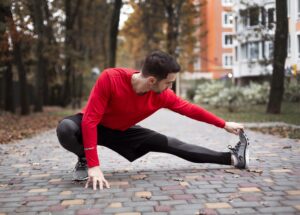
Regular exercise comes in different forms, each offering unique health benefits. Aerobic activities like brisk walking or swimming boost heart health by improving circulation and endurance. Strength training with weights or resistance bands builds stronger muscles and bones while reducing injury risks. Stretching keeps joints flexible, and balance exercises help prevent falls, especially as people age. Even mixing short bursts of movement into daily routines can make a difference. Comprehension of how each type supports the body makes it easier to find the right fit.
Aerobic Exercise and Cardiovascular Health
Aerobic exercise offers several key benefits for cardiovascular health by improving how the heart and blood vessels function. This type of physical activity speeds up the heart rate and breathing, strengthening the heart muscle and boosting endurance.
Over time, aerobic exercise helps relax blood vessel walls, lowering blood pressure and reducing inflammation. It also improves blood flow, which can lower the risk of heart disease. Regular aerobic activity, like brisk walking or cycling, helps the body use oxygen more efficiently and burns excess fat, particularly around the midsection.
This not only supports heart health but also reduces the risk of type 2 diabetes by improving insulin sensitivity. Consistent aerobic exercise is a powerful way to protect long-term wellness.
Strength Training for Muscle and Bone Health
While aerobic exercise keeps the heart strong, focusing on muscles and bones is just as crucial for overall health. Strength training, through weight-bearing and resistance exercises, builds muscle mass and improves bone density, reducing the risk of fractures and osteoporosis.
It also amplifies functional fitness, making daily tasks easier while lowering back and joint pain. Additionally, it augments insulin sensitivity, helping regulate blood sugar levels. A variety of exercises-like lifting weights, using resistance bands, or bodyweight moves-target different muscle groups for balanced strength.
Experts recommend strength training two to three times weekly to maintain muscle as we age. Consistent effort not only fortifies the body but also supports long-term mobility and independence.
Stretching for Flexibility and Mobility
Keeping muscles limber and joints mobile is key to staying active and injury-free. Stretching exercises improve flexibility, allowing for a greater range of motion in daily tasks like bending or reaching. By gently lengthening muscles and tendons, these movements reduce stiffness and augment overall performance in physical activity.
Static stretches, held for 15-30 seconds, help relax tight areas, while dynamic stretches-like leg swings-prepare the body for movement. Regular stretching also eases muscle cramps and boosts blood flow, aiding recovery after workouts. Focus on major muscle groups, such as hamstrings and shoulders, to maintain balance and prevent strain. Even a few minutes daily can make a difference, keeping the body supple and ready for whatever comes next.
Balance Exercises to Prevent Falls
Balance exercises offer valuable benefits by improving stability and reducing the risk of falls, especially for older adults. Simple activities, like standing on one foot or walking heel-to-toe, strengthen leg muscles and boost coordination.
Including balance training in a fitness routine supports overall health alongside other forms of exercise.
Benefits of Balance Training
Since falls can lead to serious injuries, especially for older adults, focusing on stability becomes a key part of staying active and independent. Balance exercises strengthen leg muscles, improve coordination, and integrate overall stability, reducing the risk of falls.
These exercises train the body to respond better to uneven surfaces or sudden movements, making daily activities safer. For older adults, incorporating balance training into physical activity routines can prevent falls, a leading cause of injury. Improved stability also boosts confidence in movement, encouraging more independence.
Many senior centers and gyms offer structured programs to help build these skills. Regular practice not only supports physical health but also maintains mobility, ensuring a better quality of life. Balance training is a simple yet powerful way to stay steady and strong.
Easy Balance Exercises
Several straightforward exercises can help improve stability and reduce the risk of falls, especially for older adults. Standing on one leg for 30 seconds per side, three times a day, strengthens leg muscles and bolsters balance.
Walking heel-to-toe in a straight line for a few minutes daily trains coordination. These simple moves can be done at home or in a gym, making them a good addition to any routine. Practicing balance exercises three times a week helps maintain mobility and independence.
Even slow, controlled movements like shifting weight from foot to foot at a steady rate amplify stability over time. Consistency is key-just 10 minutes a day can make a difference. These small efforts build confidence and prevent falls by sharpening reflexes.
Combining Aerobic and Anaerobic Workouts
Integrating aerobic and anaerobic workouts can help maximize fat loss while also enhancing muscle growth. This approach boosts overall endurance by targeting different energy systems in the body.
A balanced routine including both types of exercise supports better body composition and performance.
Maximizes Fat Loss
One powerful way to maximize fat loss is by blending both aerobic and anaerobic workouts into a routine. Aerobic exercise, like jogging or cycling, burns calories and improves endurance, while resistance training builds muscle, which boosts metabolism. High-intensity interval training combines short bursts of intense anaerobic effort with aerobic recovery, making it a top choice for fat loss. Resistance training also helps maintain muscle groups, preventing muscle loss during weight loss.
| Workout Type | Benefits | Example Activities |
|---|---|---|
| Aerobic | Burns calories, boosts endurance | Running, Swimming |
| Anaerobic | Builds muscle, increases metabolism | Weightlifting, Sprints |
| HIIT | Combines both for fat loss | Burpees, Cycling intervals |
Gradually increasing intensity and duration leads to better body composition over time.
Enhances Muscle Growth
While many focus solely on lifting weights for muscle growth, pairing aerobic and anaerobic exercises can lead to even better results. Anaerobic exercises like weightlifting and high-intensity interval training trigger strength development, while aerobic exercises such as running improve cardiovascular fitness-both pivotal for lean muscle mass. Combining these methods amplifies human growth hormone production, a key factor in muscle repair and growth.
Alternating between aerobic and anaerobic workouts also keeps the body challenged, preventing plateaus. For example, a runner adding resistance training gains endurance and power. A lifter including cycling augments recovery and overall fitness. This balanced approach not only builds muscle but also secures long-term progress, making workouts more effective and sustainable. Consistency with both types yields the finest outcomes.
Boosts Overall Endurance
Why does mixing steady-paced cardio with explosive bursts of effort work so well for endurance? It trains the body to adapt to varying demands, improving how efficiently it uses oxygen and energy. Combining aerobic activity (like brisk walking) with high-intensity activities (like sprints) strengthens the heart, lungs, and muscles, boosting stamina over time.
Balanced Fuel Use: Aerobic exercise burns fat, while anaerobic bursts tap into carbs, teaching the body to switch energy sources seamlessly.
Heart Rate Adaptability: Alternating intensity trains the heart to recover faster, lowering resting heart rate and improving circulation.
Consistency Matters: Aim for at least 150 minutes per week of moderate aerobic activity, plus 2-3 sessions of high-intensity work, to see lasting gains.
Regular exercise not only builds endurance but also improves sleep and reduces stress, making daily steps feel easier.
Exercise Recommendations for Adults
To stay healthy, adults need regular physical activity, but comprehending where to start can feel overwhelming. According to Harvard Health Publishing, adults should aim for at least 150 minutes of moderate-intensity activity per week, like brisk walking, to improve overall health and reduce risks like high blood pressure.
Combining aerobic exercise with muscle-strengthening activities twice a week augments benefits. An effective exercise program doesn’t require extreme effort-even light movement helps offset sedentary habits. Gradually increasing intensity guarantees sustainability. Breaking sessions into shorter bursts, like 30 minutes daily, makes goals manageable.
Staying physically active boosts energy, mood, and longevity. Small changes, like taking stairs or walking during breaks, add up. Consistency matters more than intensity, so finding enjoyable activities assures long-term success. Prioritizing movement fosters a healthier lifestyle.
Physical Activity Guidelines for Children
Children also need regular movement to grow strong and stay healthy, just like adults. For good health, kids aged 3–5 should stay active every day, while those 6–17 need at least 60 minutes of moderate-to-vigorous activity daily, mostly aerobic. This helps lower the risk of type 2 diabetes and supports mental health.
The guidelines include:
- Daily Movement: Younger kids should play actively throughout the day, while older children aim for 60 minutes (or 75 minutes when adjusting intensity).
- Variety Matters: Include vigorous activities like running or sports 3+ days a week, plus muscle- and bone-strengthening exercises (e.g., jumping or climbing).
- Adjust Safely: Gradually increase duration and intensity, especially when a child has health reasons or higher risk-consult a healthcare provider first.
Structured play and gradual progress keep kids engaged and healthy.
Benefits of Exercise for Mental Health
Although physical activity is often linked to stronger muscles and better heart health, its impact on the mind is just as powerful. Exercise and fitness trigger the release of natural mood-boosters like endorphins and serotonin, helping you stay emotionally balanced while also improving cognitive function.
Different types of exercise, from brisk walks to yoga, can substantially boost mood in just 10–30 minutes by reducing tension. The physical and mental benefits are closely connected-regular movement not only improves your mood but can help you live longer by slowing age-related cognitive decline.
For those feeling anxious or low, aerobic workouts offer particularly good news, often matching antidepressant effects for mild depression. Self-confidence and mental clarity grow with consistency, proving the body and mind thrive together.
How Exercise Reduces Chronic Disease Risks
Physical activity doesn’t just lift mood-it also acts as a shield against long-term illnesses. Regular movement, like brisk walking or cycling for at least 150 minutes per week, strengthens the heart and lungs, reducing the risk of cardiovascular disease. It also aids weight loss, particularly around abdominal muscles, which lowers diabetes risk.
Heart Health: Aerobic exercises, like swimming or jogging, improve circulation and lower blood pressure, reducing the risk of heart attacks.
Metabolic Benefits: Specific exercises augment insulin sensitivity, helping manage or prevent type 2 diabetes.
Body Strength: Combining cardio with strength training supports overall health condition, fortifying muscles and bones.
Adapting Workouts for Limited Mobility
Adapting workouts for limited mobility can include chair-based exercises like sit-to-stands and knee extensions, which maintain strength without straining joints.
Balance improvement techniques, such as holding onto a stable surface while standing, help bolster stability and prevent falls.
These modifications guarantee exercise remains accessible and effective for those with movement challenges.
Chair-Based Exercises
For those with limited mobility, staying active doesn’t have to mean high-intensity workouts or complex routines. Chair-based exercises offer a safe way to strengthen muscle groups, improve flexibility, and maintain a healthy lifestyle. Adults could need to adjust their routines, but even small steps is good-movement is better than none.
- Strength Training: Seated bicep curls or overhead presses target upper-body muscles, helping to build endurance throughout the day.
- Flexibility: Gentle stretches, like neck rotations or overhead reaches, reduce stiffness and improve posture.
- Stability: Isometric exercises, such as shoulder blade squeezes, can bolster core strength without straining joints.
These exercises can be done at home or in exercise classes, making them accessible for all fitness levels. Consistency matters more than intensity, and even seated workouts deliver real benefits.
Balance Improvement Techniques
Maintaining steady footing becomes more challenging with age or limited mobility, but simple adjustments can make balance exercises safe and effective. Balance relies on the inner ear, vision, and leg muscles, so strengthening these areas helps prevent falls.
For stability, try leg lifts while holding a chair for support. Isometric exercises, like standing planks, build strength without movement, making them ideal for limited mobility. Core-strengthening exercises, such as seated planks, improve posture and balance by engaging abdominal muscles. Stretching exercises, like seated overhead reaches, maintain flexibility and range of motion.
These small changes keep workouts accessible while boosting confidence and independence. Consistency is key-even short sessions can make a difference over time. Always move at a comfortable pace and prioritize safety.
Simple Ways to Incorporate Exercise Daily
How can daily movement fit effortlessly into a busy schedule? Small changes add up, like choosing stairs over elevators or walking short distances instead of driving. These habits get your heart rate up and fit more fiber into a routine without extra time.
For those who sit often, lying on your back for stretches three times a week helps prevent falls and improves flexibility.
- Active Commuting: Swap car trips for walking or cycling, combining steps and heart-healthy movement.
- Household Tasks: Turn chores into a type of exercise-gardening or vacuuming counts.
- TV Time: Use commercial breaks for quick squats or lunges.
Even brief activity, like pacing during calls, contributes. Consistency matters more than intensity, making it easier to stay active daily.

