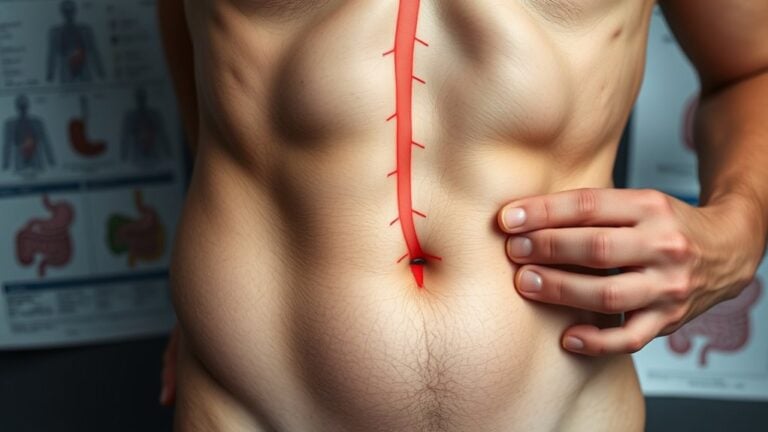
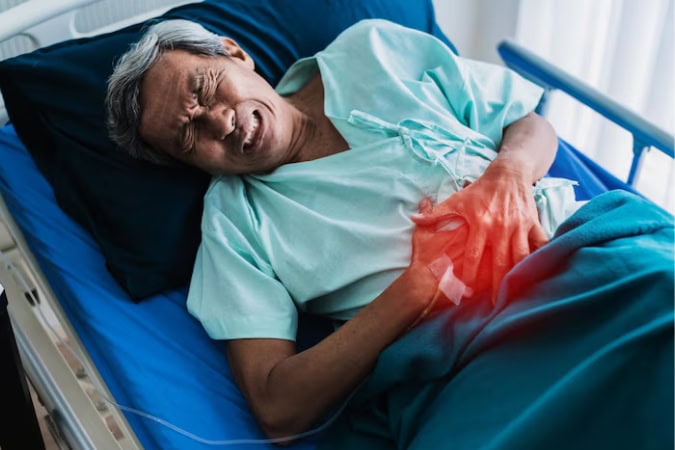
Did you know that right side chest pain can be more than just a basic muscle strain? It can indicate several fundamental issues, some of which could require urgent care. From gallstones to pneumonia, the scope of causes is wider than you may believe. Should you’re experiencing discomfort on your right side, it’s essential to grasp what could be happening and at what point to seek assistance. Comprehending these signals can play a crucial role in your wellness path.
What Is Right Side Chest Pain?
Experiencing discomfort in your right side chest can be unsettling, and others share your concern in questioning about it. Right side chest pain could range from a dull ache to sharp pain, making daily activities quite uncomfortable. This type of pain usually isn’t related to heart issues, which often affect the left side.
Instead, it can stem from various factors like lung conditions, gallbladder issues, or even strained muscles. You may notice symptoms like breathing difficulties, coughing, or discomfort that intensifies with movement.
It’s essential to pay attention to how your body feels. Provided these aching sensations persist or worsen, seeking medical advice is a good idea to rule out serious conditions and find relief.
Common Causes of Right Side Chest Pain
Whenever discomfort strikes your right side chest, it’s frequently a signal your body is attempting to convey something significant. You could be managing gallstones, which can cause sharp pain affecting 10–15% of U.S. adults.
Should you have pneumonia, the lung infection can lead to similar chest pain, resulting in over a million hospitalizations annually. And don’t overlook a pulmonary embolism; this life-threatening condition brings sudden right-side pain and impacts about 900,000 people each year.
Costochondritis, the inflammation of rib cartilage, can also create localized pain, accounting for many emergency room visits. Finally, liver disease, including hepatitis, can cause referred right-side chest pain, affecting nearly a quarter of adults globally. Always seek urgent medical attention should you be concerned.
Symptoms to Look Out For
Noticing symptoms accompanying right-side chest pain can be essential for grasping what could be occurring in your body. Keep an eye out for these signs:
| Symptoms | Possible Conditions |
|---|---|
| Sharp chest pain | Pulmonary embolism |
| Shortness of breath | Lung issue |
| Worsens once you cough | Pleurisy |
| Burning sensation | Shingles |
Provided you experience difficulty breathing, especially alongside sharp chest pain, it’s imperative to seek emergency medical care. Other symptoms include upper right abdomen pain, nausea, and fever that may indicate gallbladder inflammation. Tingling or a burning sensation on your skin could also suggest shingles. Should you notice any of these symptoms, don’t hesitate to see a healthcare provider for further evaluation. Your health matters!
When to Seek Medical Attention
Assuming you’re experiencing sudden, severe right-side chest pain, don’t hesitate to get emergency care, particularly in case you’re having trouble breathing or your heart is racing.
It’s crucial to pay attention to your body-pain that lingers or gets worse could mean it’s time to reach out to your doctor.
Trust your instincts; whenever it comes to chest pain, it’s always better to be safe than sorry.
Severe Chest Pain
Experiencing severe chest pain on the right side can be unsettling, particularly in moments it lingers or comes with other concerning symptoms. Should you feel severe pain that lasts more than five minutes, or when it spreads to your arm, jaw, or back, don’t hesitate-go to the ER. These could signal a heart attack or a life-threatening condition.
You should seek immediate medical help as well should severe chest pain be coupled with a rapid heartbeat, difficulty breathing, dizziness, or sudden weakness. Conditions like pulmonary embolism or pneumothorax require urgent evaluation.
Keep in mind, should you be coughing up blood along with severe chest pain, you need immediate medical advice. Your health is your priority, so act fast!
Breathing Difficulties
Breathing difficulties can spark a sense of urgency and concern, particularly while accompanied by right-side chest pain. In the event that you experience shortness of breath along with this pain, it’s vital to seek medical help immediately. This could indicate serious issues like a pulmonary embolism, which can be fatal when not treated quickly.
A sudden sharp pain with breathing trouble may mean a pneumothorax, or collapsed lung, needing urgent care. Should your symptoms last over 24 hours, especially with a fever, don’t wait to get checked for pneumonia.
Progressive shortness of breath during small activities could signal pulmonary hypertension.
Diagnosis and Treatment Options
Once you’re faced with right-side chest pain, obtaining the correct diagnosis is crucial for comprehending what’s happening. To diagnose and treat your discomfort, doctors might use diagnostic tests like chest X-rays, CT scans, or ultrasounds to identify common causes such as lung or gallbladder issues.
Blood tests, including D-dimer, help evaluate conditions like pulmonary embolism. Once they pinpoint the source, treatment varies-antibiotics for pneumonia, clot-busting drugs for embolism, or even surgery for severe pneumothorax.
Pain relief can come from NSAIDs for musculoskeletal issues or antacids for GERD. In case you experience this pain, don’t hesitate to seek medical advice.
Following up with proper care, like pulmonary rehab or lifestyle changes, is equally essential for your recovery.
Prevention Strategies for Chest Pain
Finding ways to prevent right-side chest pain can truly make a difference in your general health and happiness. Start maintaining a healthy weight and blood pressure through regular aerobic exercise-30 minutes a day, five days a week. This helps reduce the risk of conditions that could cause pain on the right or lead to blood clots.
Quitting smoking and limiting alcohol intake are essential too, as they lower your chances of developing pulmonary issues. To manage acid reflux, avoid trigger foods like spicy items and consider smaller meals.
Additionally, get vaccinated against preventable infections and practice safe lifting techniques to minimize strain. These steps can enable you to protect your chest and improve your complete wellness.