

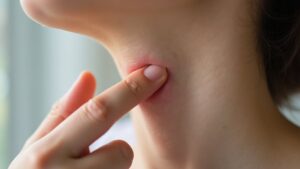
You could believe squeezing a swollen lymph node will make it go away faster, but you could end up doing more harm than good. These small, bean-shaped glands play a key role in fighting infections, and messing with them can lead to pain, infection, or even long-term damage. Instead of taking matters into your own hands, understand why they swell and at what time to seek help-your body has its own way of handling things, and sometimes patience is the best medicine.
What Causes Swollen Lymph Nodes?
Swollen lymph nodes are your body’s way of signaling something’s off-like tiny alarm bells in your neck, armpits, or groin.
Whenever you have a viral infection, like a cold or flu, these nodes swell as they trap and fight germs.
Autoimmune diseases, such as lupus or rheumatoid arthritis, can also trigger swelling because your immune system mistakenly attacks healthy tissue.
Bacterial infections, like strep throat, often cause tender, enlarged nodes too.
Even minor skin injuries or allergies may make them puff up temporarily.
Rarely, they hint at something more serious, like cancer, but that’s less common.
Don’t panic should you notice them-they’re usually just doing their job.
In case they stay swollen for weeks, feel hard, or grow rapidly, though, it’s smart to check in with your doctor.
Why Popping a Lymph Node Is Dangerous
Even though a swollen lymph node could feel like a pesky pimple you’re tempted to squeeze, popping or puncturing it’s a terrible idea-and here’s why. Your lymphatic system is a delicate network designed to filter infections, not handle rough treatment. Messing with it can lead to serious problems.
- Infection Risk: Puncturing the skin introduces bacteria, turning painless swelling into a painful infection.
- Scarring: Damaging the node or surrounding tissue can leave lasting scars or even affect lymph flow.
- Delayed Healing: Your body’s fighting an infection already; adding trauma slows recovery.
- Spread of Germs: Squeezing may push bacteria deeper into your system, making things worse.
Lymph nodes swell for a reason-let your body handle it. Should you be worried, see a doctor instead of taking risks.
Signs You Should See a Doctor
Since lymph nodes usually shrink on their own, it’s easy to assume one doesn’t need medical help-but sometimes, they’re trying to tell you something’s wrong. Understanding when to worry helps you act fast. In case your swollen lymph node feels hard, grows larger, or doesn’t improve after two weeks, it’s time for a symptoms assessment. Other red flags include fever, night sweats, or unexplained weight loss.
| Concerning Signs | What It Could Indicate |
|---|---|
| Hard, immovable node | Possible infection or tumor |
| Fever or chills | Systemic infection |
| Rapid growth | Needs urgent evaluation |
Don’t ignore painless swelling-it can still signal trouble. Trust your gut; in case something feels off, see a doctor.
Safe Ways to Reduce Swelling at Home
Whenever your lymph nodes stay swollen longer than they should, you’ll want relief-but squeezing or poking at them isn’t the answer. Instead, try these safe home remedies to ease discomfort and reduce swelling naturally.
- Warm Compress: Apply a clean, warm cloth to the area for 10-15 minutes a few times daily. The heat boosts circulation, helping your body clear the swelling.
- Hydration: Drink plenty of water to flush out toxins and support your immune system.
- Gentle Massage: Use light, circular motions around (not directly on) the swollen node to encourage lymphatic drainage. Avoid pressing too hard.
- Rest: Your body heals faster while you’re well-rested, so prioritize sleep.
These methods won’t “pop” the node, but they’ll help it settle down while your immune system does its job.
How Doctors Treat Swollen Lymph Nodes
Should home remedies don’t ease your swollen lymph nodes, a doctor can help figure out the cause and recommend the right treatment.
They’ll likely examine you and ask about symptoms to pinpoint infections, allergies, or other triggers. Should it be bacterial, antibiotics are common lymph node treatments. For viral infections, rest and fluids could be suggested since antibiotics won’t help.
Should swelling last weeks or come with fever or weight loss, they could order tests like blood work or imaging. Rarely, a biopsy is needed to check for serious conditions. Medical interventions like draining an abscess could be necessary should there be pus.
Always follow their advice-don’t try popping or squeezing nodes yourself, as it can worsen the issue.
Conclusion
Considering popping a swollen lymph node? Don’t. It’s like poking a beehive-you’ll make things worse. Instead, let your body heal naturally. Should swelling sticks around or feels off, check in with a doctor. Simple home remedies can ease discomfort, but in case of doubt, get it checked out. Your lymphatic system works hard, so give it the gentle care it deserves.


