

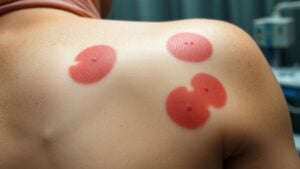
Graft-versus-host disease, or GvHD, can arise after a stem cell or bone marrow transplant. It happens at the moment the donor’s immune cells see the recipient’s body as foreign and start attacking it. This reaction leads to a range of symptoms, from skin rashes to gastrointestinal issues. Comprehending both the causes and treatment options available is vital for patients and caregivers alike. Through exploring these aspects, one can grasp how to maneuver this challenging condition with care and knowledge.
What Is Graft Versus Host Disease (Gvhd)?
At the time a person receives a stem cell or bone marrow transplant, their body can sometimes react in unexpected ways, leading to a condition known as graft-versus-host disease (GvHD).
This occurs when donor stem cells perceive the recipient’s tissues as foreign, prompting an immune response. GvHD primarily manifests in two forms: acute GvHD, which arises within the initial 100 days post-transplant, and chronic GvHD, which can develop later and last for years.
Certain risk factors increase the likelihood of developing GvHD, such as HLA mismatch and older age of donors or recipients.
With an incidence ranging from 35-80%, individuals could face a challenging path, but comprehension of GvHD encourages awareness and promotes proactive management.
Symptoms of GvHD
After a stem cell or bone marrow transplant, individuals may find themselves facing a range of symptoms that can signal the onset of graft-versus-host disease (GvHD). Acute GvHD symptoms often appear within the initial 100 days, including skin rashes, gastrointestinal issues such as diarrhea, and liver abnormalities. Conversely, chronic GvHD develops later and features symptoms like dry eyes, joint pain, and persistent fatigue. Both types can present varying degrees of severity.
| Type of GvHD | Common Symptoms | Affected Areas |
|---|---|---|
| Acute | Rash, diarrhea, abdominal pain | Skin, gastrointestinal |
| Chronic | Dry eyes, joint pain, fatigue | Skin, liver, joints |
Recognizing these symptoms promptly can help individuals seek timely medical advice and support.
Causes of GvHD
Graft-versus-host disease (GvHD) emerges as a significant concern following allogeneic stem cell or bone marrow transplants, primarily due to the immune response triggered from donor T cells.
At the moment these donor T cells detect the recipient’s cells as foreign, they initiate an attack. The risk of developing GvHD increases at the time of poor HLA matching, especially with unrelated donors, where chances can reach 60-80%.
Other risk factors include the age of the donor, differences in sex between donor and recipient, and the donor’s pregnancy history.
Acute GvHD usually surfaces within the initial 100 days after the transplant. High T cell counts in the graft heighten GvHD risk, underscoring the need for T cell depletion strategies during preparation.
How Is Graft Versus Host Disease Diagnosed?
How does someone know whether they have graft-versus-host disease (GvHD) after undergoing a transplant?
The diagnosis of GvHD typically combines physical exams, lab tests, and biopsies. There is no definitive test for this condition; instead, physicians evaluate symptoms alongside a patient’s transplant history.
Common lab tests often include liver function tests to check liver involvement and imaging studies, such as X-rays or CT scans, to assess possible organ damage. Skin and mucous membrane biopsies can further confirm GvHD by revealing characteristic tissue changes.
Clinicians closely monitor patients for symptoms of acute GvHD emerging within 100 days post-transplant, as well as chronic GvHD, which can arise later. This thorough approach guarantees a clear comprehension and effective management of the disease.
Treatment Options for Gvhd
Exploring treatment options for graft-versus-host disease (GvHD) can be a challenging experience for patients and their families following a transplant.
Physicians typically adopt a customized approach based on the severity of symptoms. Common treatments might include:
- Steroids: Systemic corticosteroids like prednisone or methylprednisolone are often the initial line of treatment for acute and chronic GvHD.
- Immunosuppressive drugs: For chronic cases, drugs such as Ruxolitinib and Ibrutinib might be employed, especially when steroids are ineffective.
- Clinical trials: Patients with steroid-refractory GvHD are encouraged to investigate clinical trials to access innovative therapies and contribute to future advancements in care.
In addition to medication, regular monitoring and supportive care play critical roles in effectively managing GvHD symptoms and improving total well-being.
Prognosis of GvHD
The prognosis of graft-versus-host disease (GvHD) largely hinges on various factors, including the severity of the condition and the match between the donor and recipient.
Patients facing acute GvHD typically see a wide range of results, while chronic cases pose their own long-term challenges influencing general health.
Effective management strategies can play an essential role in improving these prospects and supporting patients through their process.
Factors Affecting Prognosis
While many factors influence the prognosis of graft-versus-host disease (GvHD), one of the most essential aspects is the compatibility between the donor and recipient’s HLA (human leukocyte antigen) types.
The degree of HLA match greatly impacts results.
Other critical factors include:
- Acute GvHD onset: This occurs within the initial 100 days post-transplant, often resulting in poorer prognosis for those with unrelated donors or poor HLA matches.
- Severity of symptoms: Graded from mild to severe, higher grades correlate with worse results.
- Chronic GvHD management: Affecting 40-50% of recipients, its severity can lead to long-term health issues, emphasizing the need for careful monitoring.
These considerations are essential for improving comprehension and management of GvHD prognosis.
Long-term Outcomes
Grasping the long-term results of graft-versus-host disease (GvHD) is essential for those traversing the complexities of post-transplant life.
Prognosis varies, influenced by the severity of GvHD and HLA matching; closely matched donors typically lead to better results.
While acute GvHD might improve within months, a staggering 40-50% endure chronic GvHD, which could last for years.
This condition can inflict lasting damage on the liver, lungs, and digestive tract, compounding risks of severe infections.
Patients often face chronic symptoms like dry eyes, skin tightening, and joint pain, detracting from quality of life.
Initial interventions and customized treatment plans, including corticosteroids, remain critical for enhancing long-term results, reinforcing the importance of continual monitoring and adjustments for the immune system.
Management Impact
Comprehending the management impact of graft-versus-host disease (GvHD) is essential for patients maneuvering the aftermath of transplant procedures.
The prognosis varies, greatly influenced by several factors, including:
- Severity of acute GvHD: Up to 70 percent of unrelated donor transplant recipients might experience this condition, with symptoms ranging from mild to severe.
- Chronic GvHD: Affecting 40 to 50 percent of patients post-transplant, this condition can persist for years and demands ongoing care.
- HLA Matching and General Health: Better HLA matching improves prognosis, and a patient’s health status post-transplant plays an important role in recovery.
Effective management, often utilizing immunosuppressants, can lead to better results, minimizing complications and improving quality of life where possible.
Can Gvhd Be Cured?
Can Graft-versus-host disease (GvHD) truly be cured? Currently, there is no definitive cure for GvHD, but many cases can be effectively managed.
Treatments primarily involve immunosuppressive therapies, such as corticosteroids and newer options like Ruxolitinib, which help control symptoms. The prognosis can vary based on the severity of GvHD and how swiftly treatment begins.
T-cell depletion techniques during stem cell transplants considerably reduce the risk of developing GvHD, although they do not completely eliminate it. Regular follow-ups and prompt recognition of symptoms are essential for improving management and enhancing the quality of life for patients.
Ongoing research aims to develop better treatments and preventive strategies, promising hope for those affected by GvHD.
Risks and Complications of Gvhd
Graft-versus-host disease (GvHD) presents significant risks and complications that can complicate the recovery process for transplant recipients. Comprehending these complications is essential for better management and support.
1. Acute and Chronic GvHD: Acute GvHD typically occurs within the initial 100 days post-transplant, affecting the skin, liver, and gastrointestinal tract.
Chronic GvHD can appear later and persist for years.
2. Organ Damage: Severe complications can lead to significant organ damage, particularly to the liver, lungs, and gastrointestinal tract.
3. Mortality Risk: Higher grades of GvHD correlate with increased mortality risk, necessitating aggressive treatment options like corticosteroids.
Due to these challenges, patients must be monitored closely for potential complications and long-term health impacts, making awareness indispensable in their recovery process.
Prevention Strategies for Gvhd
Effective prevention strategies can significantly reduce the path into graft-versus-host disease (GvHD) for transplant recipients.
A close match of HLA markers between donor and recipient markedly lowers GvHD risks. Additionally, immunosuppressive medications are vital, as they are given before and after transplantation to help prevent GvHD.
T-cell depletion, whether in vivo or ex vivo, can also effectively eliminate T cells from the donor’s stem cells and reduce GvHD chances. Furthermore, proactive monitoring for signs of GvHD from the transplant team is essential.
Through continuously evaluating and adjusting medication regimens based on patient responses, healthcare providers can improve prevention efforts.
These combined strategies work together to protect patients from developing this serious complication.
Living With Gvhd
Steering through life with graft-versus-host disease (GvHD) can often feel like walking a tightrope, requiring a balance between managing symptoms and maintaining a good quality of life.
Patients must prioritize care, staying vigilant about monitoring their condition. To effectively manage GvHD, consider these three essential practices:
- Wear protective clothing and high-SPF sunscreen to reduce skin issues.
- Maintain good dental hygiene to lower infection risks.
- Keep an eye out for infection symptoms, reporting any fevers above 100.4°F (38°C) or unusual physical changes to healthcare providers promptly.
Engaging with support groups can also be highly beneficial.
Through shared experiences, patients can find fellowship and emotional strength as they traverse the intricacies of GvHD.
When to Contact a Healthcare Provider
After a transplant, patients should be vigilant about any unusual symptoms that might arise.
A persistent fever, significant changes in skin appearance, or unexplained abdominal pain can signal potential issues, including graft-versus-host disease (GvHD).
Promptly reaching out to a healthcare provider for these concerns is essential for timely intervention and proper management.
Unusual Symptoms Post-Transplant
One of the most vital aspects of recovery after a transplant is identifying the moments something might be wrong.
Patients should remain aware of unusual symptoms that could indicate GvHD. Immediate contact with a healthcare professional is essential when they experience:
- A fever of 100.4°F (38°C) or higher, suggesting a potential infection or GvHD.
- Persistent symptoms like severe diarrhea, abdominal pain, or jaundice, which could indicate acute GvHD.
- Unusual changes in skin, eyes, or mouth, linked to chronic GvHD.
Additionally, functional impairments such as joint pain or difficulty swallowing should prompt urgent communication with a healthcare provider.
Vigilance in monitoring these symptoms can lead to timely interventions and better results.
Skin Changes and Rashes
Skin changes can be an initial warning sign of graft-versus-host disease (GvHD), especially in the sensitive weeks following a transplant. Patients might notice rashes, redness, or peeling skin on their arms, legs, and trunk.
Acute GvHD symptoms often arise within the initial 100 days post-transplant and can worsen without treatment. It is important for individuals to promptly report any new or worsening skin symptoms to their healthcare provider, as prompt intervention can greatly enhance results.
Chronic GvHD can lead to severe skin issues that affect mobility and general quality of life. Effective management typically includes topical corticosteroids or other immunosuppressive therapies, making regular follow-ups essential for monitoring skin changes and adjusting treatment as necessary.
Fever and Infection Signs
Following a stem cell transplant, patients could encounter various health challenges, including the potential onset of infections.
Monitoring for fever is essential, as a temperature of 100.4°F (38°C) or higher can indicate an infection or signs of GvHD.
It is imperative to seek medical consultation upon experiencing:
- Increased fatigue or unusual skin changes.
- Gastrointestinal issues, such as diarrhea or vomiting.
- Symptoms like a persistent cough, difficulty breathing, or jaundice.
Timely communication with healthcare providers regarding new symptoms can greatly affect results.
Patients should not hesitate to report any sudden changes in health status, as prompt intervention plays a significant role in managing both infections and GvHD effectively.
Importance of HLA Typing
The intricate dance of the immune system highlights the essential role of HLA typing in the domain of transplantation. This process involves identifying protein markers on cells that determine compatibility between the donor and recipient. A close match reduces the risk of graft-versus-host disease (GvHD), a condition where donor cells attack the recipient’s tissues.
| HLA Typing | Impact on GvHD | Importance in Transplant Preparation |
|---|---|---|
| Identifies protein markers | Reduces likelihood of GvHD | Guarantees donor-recipient compatibility |
| DNA-level testing advancements | Improves transplant results | Minimizes complications post-transplant |
| Regular assessments | Lowers acute GvHD risk | Essential in donor selection |
| Mismatched HLA increases risk | Affects healing process | Facilitates informed decision-making |
| Improves patient safety | Promotes better survival | Elevates overall care quality |
Guaranteeing precise HLA typing is essential for achieving successful transplant results.
Resources and Support for Gvhd Patients
Patients facing Graft-Versus-Host Disease (GvHD) often find comfort and strength through a variety of supportive resources.
Organizations like BMT InfoNet and Be The Match provide educational materials and personal connections, while local cancer centers might offer crucial psychological support customized to their needs.
Engaging regularly with healthcare teams is also important, as it guarantees that patients receive personalized guidance to steer their path with GvHD.
Educational Resources Available
Steering through the complexities of graft-versus-host disease (GvHD) can be challenging, but several educational resources exist to enable patients and their families. Accessing accurate information is essential for comprehension of GvHD and its management.
Patients could benefit from:
- Educational Programs: Institutions like the American Society of Clinical Oncology and the National Cancer Institute offer extensive knowledge into risks and treatment options.
- Healthcare Professionals: Specialized care is significant; resources help connect patients with experienced doctors for ongoing monitoring and customized care plans.
- Support Groups: Many hospitals provide materials and platforms for emotional support, allowing patients to share experiences and gain practical advice in maneuvering life post-transplant.
Support Groups and Networks
Steering the expedition with graft-versus-host disease can often feel overwhelming, yet support groups and networks offer a lighthouse of hope and guidance for those affected.
These communities provide crucial resources, allowing patients to share experiences and find insight among peers. Organizations like the Leukemia & Lymphoma Society and the National Marrow Donor Program focus on GvHD, offering educational materials and emotional support customized to individual needs.
Many hospitals have dedicated counseling services and peer support groups, enhancing the support system. Additionally, online forums and social media platforms connect individuals facing similar challenges, promoting a virtual community.
Educational workshops further equip patients and caregivers with essential knowledge, allowing them to better manage their condition and traverse the path together.
Professional Healthcare Guidance
Navigating the complexities of graft-versus-host disease (GvHD) is undoubtedly challenging, and professional healthcare guidance plays an essential role in helping individuals manage this condition.
Regular communication with healthcare providers augments the comprehension of symptoms and treatment options.
Key resources include:
- Continuous Follow-Ups: Engaging with the transplant team guarantees personalized treatment plans customized to individual responses.
- Educational Materials: Accessing resources helps patients recognize symptoms and improve general health and quality of life.
- Support Systems: Counseling and support groups provide vital emotional and psychological backup, aiding in coping with the distinct challenges of GvHD.


