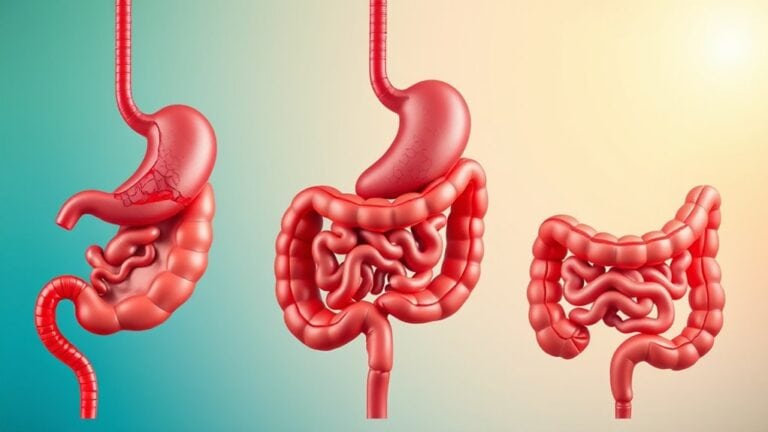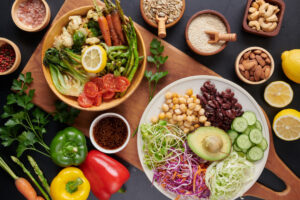
Fiber plays a vital role in digestion, yet many people don’t get enough of it. There are two types soluble and insoluble each with unique benefits. Soluble fiber dissolves in water, helping lower cholesterol and balance blood sugar. Insoluble fiber adds bulk to stool, keeping digestion regular.
Understanding which foods contain each type makes it easier to meet daily needs. A well-rounded diet includes both, but where do they come from, and how much is enough? The answers could surprise those looking to improve their gut health.
Soluble and Insoluble Fiber
Although fiber is often talked about as one thing, it actually comes in two main forms-soluble and insoluble-each with different benefits for the body. Soluble fiber dissolves in water, forming a gel-like substance that slows digestion, while insoluble fiber adds bulk to stool, helping it move smoothly through the digestive system.
The fiber absorption rates differ between the two types-soluble fiber is partially broken down through gut bacteria, while insoluble fiber passes through largely intact. This affects the fiber digestion process, with soluble fiber helping regulate blood sugar and insoluble fiber promoting regularity.
Foods like oats, beans, and apples contain soluble fiber, whereas whole grains, nuts, and vegetables provide insoluble fiber. Grasping these differences helps people choose the right foods for their digestive needs, whether they’re aiming for better gut health or more consistent bowel movements.
Both types work together to support general digestion.
Benefits of Soluble Fiber
Since soluble fiber dissolves in water, it forms a gel-like substance that slows digestion, offering several key health benefits. One major advantage is its ability to support heart health through binding to cholesterol in the digestive tract, helping to lower LDL (“bad”) cholesterol levels.
This reduces the risk of plaque buildup in arteries, keeping blood flow smooth. Another benefit is its role in stabilizing blood sugar levels.
Through slowing the absorption of sugar, soluble fiber prevents sudden spikes, which is especially helpful for people with diabetes or insulin resistance. It also promotes a feeling of fullness, aiding in weight management.
Unlike insoluble fiber, which adds bulk, soluble fiber works quietly to improve metabolic health. Including foods like oats, beans, and apples in meals can make a noticeable difference over time without drastic dietary changes.
Benefits of Insoluble Fiber
Insoluble fiber plays a key role in maintaining digestive health through adding bulk to stool and accelerating its passage through the intestines.
This type of fiber helps prevent constipation through ensuring things move smoothly, reducing discomfort and bloating.
It also supports a healthy gut environment, which can enhance general health.
Promotes Digestive Health
Because fiber doesn’t disintegrate during digestion, it plays a key role in keeping things moving smoothly through the gut.
Insoluble fiber supports digestive health through adding bulk to stool and fostering intestinal regularity, which helps maintain a balanced gut microbiome.
- Bulks Up Stool: Insoluble fiber absorbs water, making waste easier to pass without straining.
- Feeds Gut Bacteria: Though indigestible, it provides fuel for beneficial bacteria, promoting a healthier gut environment.
- Reduces Bloating: Through speeding up transit time, it prevents food from lingering too long in the intestines.
- Supports Bowel Muscle Tone: The gentle pressure from fiber-rich foods strengthens intestinal walls over time.
This type of fiber acts like a natural scrub brush, clearing out debris and keeping the digestive system efficient.
Its role goes beyond just preventing constipation-it nurtures comprehensive gut function.
Prevents Constipation
Whenever waste moves too slowly through the digestive tract, discomfort and constipation can take hold, but insoluble fiber steps in to keep things on track.
Found in foods like whole grains, nuts, and vegetables, this type of fiber adds bulk to stool, helping it pass more easily.
Through accelerating movement in the intestines, it relieves discomfort and improves regularity.
Unlike soluble fiber, which dissolves in water, insoluble fiber stays intact, acting like a natural scrub brush for the digestive system.
This gentle push prevents blockages and reduces straining, making bathroom trips less stressful.
For those struggling with sluggish digestion, adding more insoluble fiber can be a simple yet effective fix.
It’s a natural way to support smoother, more comfortable digestion without harsh laxatives.
Soluble Fiber-Rich Foods
Soluble fiber offers several health benefits, such as supporting heart health and stabilizing blood sugar levels.
Common sources include oats, apples, beans, and flaxseeds, which can easily be added to daily meals.
Including these foods regularly helps improve digestion and general health.
Benefits of Soluble Fiber
Though often overlooked, soluble fiber plays a crucial role in keeping the body running smoothly. It dissolves in water, forming a gel-like substance that supports digestion and general health.
- Lowering cholesterol: Soluble fiber binds to cholesterol particles, helping remove them from the body and reducing heart disease risk.
- Managing diabetes: It slows sugar absorption, stabilizing blood sugar levels and improving insulin sensitivity.
- Promoting gut health: Through feeding beneficial gut bacteria, it supports a balanced microbiome and reduces inflammation.
- Aiding weight control: The gel-like texture increases fullness, reducing overeating and supporting healthy weight management.
These benefits make soluble fiber a key part of a balanced diet.
While many foods contain it, recognizing its advantages helps prioritize its inclusion in meals.
Top Soluble Fiber Sources
Since many people want to add more soluble fiber to their diet but aren’t sure where to start, grasping the best food sources can make healthy eating easier. Plant-based options like oats, barley, and legumes-such as lentils and black beans-are excellent choices.
Fruits like apples, oranges, and pears also provide soluble fiber, especially if eaten with the skin. Vegetables such as Brussels sprouts and carrots add both fiber and nutrients.
For those struggling to meet daily needs, fiber supplement benefits include convenience, but whole foods offer additional vitamins and minerals. Chia seeds and flaxseeds are versatile additions to smoothies or yogurt.
Integrating these foods gradually helps digestion while supporting heart health and blood sugar control. Small changes, like swapping refined grains for whole grains, can make a big difference.
Insoluble Fiber-Rich Foods
While many people focus on soluble fiber for its heart-healthy benefits, insoluble fiber plays an equally crucial role in digestion.
It adds bulk to stool, helping food move smoothly through the digestive system.
Foods rich in insoluble fiber are especially helpful for preventing constipation and promoting regularity.
- Whole grain benefits: Foods like brown rice, whole wheat bread, and quinoa provide insoluble fiber along with essential nutrients. Their rough texture helps scrub the digestive tract clean.
- Bran cereal options: Wheat bran and oat bran cereals are powerhouse choices, packing a high fiber punch in small servings.
- Vegetable skins: Leaving skins on veggies like potatoes, carrots, and cucumbers boosts insoluble fiber intake.
- Nuts and seeds: Almonds, walnuts, and flaxseeds offer a crunchy way to support digestion while adding healthy fats.
Including these foods daily guarantees the digestive system stays on track without discomfort.
Combining Soluble and Insoluble Fiber for Optimal Health
Both types of fiber-soluble and insoluble-work best when consumed together. A balanced fiber diet guarantees fiber synergy benefits, supporting digestion, heart health, and stable blood sugar. Soluble fiber dissolves in water, forming a gel that slows digestion, while insoluble fiber adds bulk, keeping things moving smoothly. Pairing them maximizes their strengths, like combining oats (soluble) with whole wheat (insoluble) for a hearty breakfast.
| Fiber Type | Best Food Pairings |
|---|---|
| Soluble | Oats, apples, beans, lentils |
| Insoluble | Whole grains, nuts, vegetables |
| Combined | Oatmeal with berries and nuts |
| Combined | Whole wheat toast with avocado |
| Combined | Lentil soup with brown rice |
Eating a variety of fiber-rich foods secures the body gets both types without overloading on one. This approach prevents digestive discomfort while promoting long-term wellness. The key is diversity-mixing fruits, veggies, grains, and legumes for ideal results.
Daily Fiber Intake Recommendations
Getting enough fiber every day keeps the body running smoothly, but figuring out how much to eat can seem confusing.
Fiber intake guidelines vary based on age, gender, and general health, but experts provide standard recommended daily amounts to aim for.
- Men under 50: Should target 38 grams per day, while those over 50 need slightly less-about 30 grams.
- Women under 50: Benefit from 25 grams daily, dropping to 21 grams after 50 due to slower digestion.
- Children: Need between 19–25 grams depending on age, with teens requiring amounts closer to adults.
- Special cases: Pregnant or breastfeeding women might need extra fiber, but consulting a doctor guarantees safety.
These numbers serve as a baseline, but individual needs can differ.
Gradually increasing fiber helps avoid discomfort while letting the body adjust.
Pairing fiber-rich foods with water maximizes benefits, supporting digestion without overwhelm.
Tips for Increasing Fiber in Your Diet
Since many people struggle to meet their daily fiber needs, small, practical changes can make a big difference without feeling overwhelming. A gradual intake increase helps the body adjust, reducing discomfort like bloating.
Start through swapping refined grains for whole grains-like choosing brown rice over white or whole-wheat pasta instead of regular. Adding fiber-rich snacks, such as nuts, seeds, or fresh fruit, between meals can boost daily totals effortlessly.
Vegetables like carrots or broccoli make easy, crunchy additions to lunches or dinners. Legumes, such as lentils or chickpeas, work well in soups, salads, or as side dishes.
Drinking plenty of water supports digestion as fiber intake rises. Reading food labels helps identify high-fiber options, and experimenting with new recipes keeps meals interesting.
Small, consistent adjustments guarantee long-term success without drastic diet overhauls.
Potential Side Effects of High Fiber Consumption
While fiber is essential for digestion and general health, eating too much too quickly can lead to uncomfortable side effects.
Sudden increases in fiber intake can overwhelm the digestive system, causing temporary discomfort.
To avoid these issues, it’s best to gradually add fiber-rich foods and drink plenty of water.
Common side effects include:
- Fiber digestion issues: The body needs time to adjust, so cramping or gas might occur when fiber intake spikes suddenly.
- Fiber-related bloating: High-fiber foods ferment in the gut, producing gas that leads to a swollen or tight feeling.
- Loose stools or constipation: Insoluble fiber speeds digestion, while soluble fiber absorbs water-balance is key.
- Reduced nutrient absorption: Excess fiber could bind to minerals like iron or zinc, temporarily limiting their uptake.
Listening to the body and adjusting fiber intake slowly helps minimize these effects while still reaping the benefits.