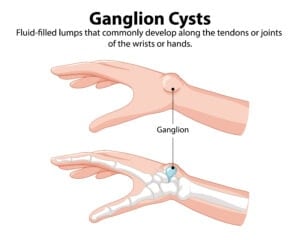
Ganglion cysts are small, fluid-filled lumps that often form near joints or tendons, usually on the wrist. While harmless, they can cause discomfort or limit movement. Many people favor natural remedies over medical procedures to manage them. Simple solutions like warm compresses, Epsom salt soaks, or apple cider vinegar applications could help reduce swelling and pain. Others discover relief with gentle massage using essential oils or turmeric paste. The right strategy depends on the cyst’s size and sensitivity, but exploring these options might make a difference.
Ganglion Cysts and Their Causes
Though ganglion cysts can appear concerning, they’re usually harmless fluid-filled lumps that frequently form near joints or tendons, particularly in the hands or wrists. The exact causes of ganglion cysts aren’t always clear, but they often develop when joint or tendon tissue leaks fluid, forming a sac. Repetitive movements or joint stress may contribute, though many appear without obvious triggers.
There are different types of ganglion cysts—some small and painless, others larger and tender. Dorsal wrist cysts are common, while volar cysts grow on the palm side. Though they can cause discomfort, especially near nerves, most don’t require treatment unless they interfere with movement. Knowing their nature helps demystify these bumps, easing unnecessary worry.
Warm Compress Therapy for Ganglion Cyst Relief
Many people find warm compress therapy a simple yet effective way to ease discomfort from ganglion cysts. Applying warmth to the affected area can help increase blood flow, which could promote healing and reduce inflammation.
The gentle heat relaxes surrounding tissues, easing stiffness and discomfort. To use this method, a clean cloth soaked in warm water or a heating pad set to low can be placed on the cyst for 10–15 minutes, several times a day. It’s crucial to avoid excessive heat to prevent burns.
While this won’t make the cyst disappear, it can provide temporary relief and improve mobility. Consistency is key, as regular application might gradually lessen discomfort over time. Always check for skin irritation and adjust the temperature if required.
Using Epsom Salt Soaks to Reduce Swelling
Epsom salt soaks can help reduce swelling in ganglion cysts due to their natural anti-inflammatory properties. Dissolving the salt in warm water and soaking the affected area for 15-20 minutes can promote relaxation and ease discomfort.
Gentle massages during the soak can further improve circulation and encourage fluid drainage.
Epsom Salt Benefits
Soaking a ganglion cyst in warm water mixed with Epsom salt can help ease discomfort and reduce swelling. Epsom salt soaks work because magnesium sulfate, the main compound in the salt, draws out excess fluid and relaxes tight muscles around the cyst. The epsom salt benefits also include improving circulation, which can speed up healing.
Warm water softens the skin, making it easier for the minerals to penetrate and soothe inflammation. While it won’t cure the cyst, regular soaks can lessen pain and make the lump less noticeable. This method is gentle, affordable, and easy to do at home. Since ganglion cysts often form near joints, reducing swelling also can improve mobility.
For best results, consistency is key—repeating the soak daily will bring gradual relief.
Soaking Technique Tips
A warm Epsom salt soak can be an effective way to manage discomfort from a ganglion cyst whenever done correctly. The right technique guarantees the minerals penetrate the skin, reducing swelling and easing stiffness.
The water temperature should be comfortably warm—not too hot—to prevent irritation. Aim for 15–20 minutes of soaking to allow the salts to work without over-drying the skin. Dissolve ½ cup of Epsom salt in a basin of water for proper concentration. Repeat 2–3 times daily for consistent relief, but discontinue if irritation occurs.
This method helps relax the area while promoting circulation. Adjusting these factors ensures the soak is both soothing and beneficial.
Applying Apple Cider Vinegar for Cyst Shrinkage
Apple cider vinegar could assist shrink ganglion cysts through methods like soaking the affected area, applying a compress, or mixing it with honey. These approaches utilize its natural acidity to dissolve the cyst’s fluid over time.
Each technique offers a straightforward way to lessen discomfort and promote healing.
ACV Soak Method
Although ganglion cysts often disappear on their own, some people prefer natural remedies to speed up the process, and apple cider vinegar soaks are a popular choice. The ACV soak method involves immersing the affected area in a diluted solution to help reduce the cyst’s size.
Soak duration: Keeping the wrist submerged for 15–20 minutes daily can promote gradual shrinkage.
Soak temperature: Warm water can boost absorption, but lukewarm is safest to avoid irritation.
Dilution ratio: Mixing equal parts ACV and water prevents skin sensitivity.
Consistency: Repeating the soak for several weeks increases effectiveness.
This method relies on ACV’s anti-inflammatory properties, which can help break down the cyst’s fluid over time. While results vary, many find it a gentle, non-invasive option.
ACV Compress Technique
Instead of soaking the entire area, applying apple cider vinegar directly to the cyst with a compress offers a more targeted approach. The vinegar soaked compress helps concentrate the acidic properties of apple cider vinegar, which might break down the cyst’s fluid over time.
To use the acv compression technique, soak a clean cloth or cotton ball in diluted apple cider vinegar, then press it gently against the cyst for 15–20 minutes. Repeating this method twice daily could encourage shrinkage. Some people find wrapping the area with a bandage afterward helps maintain contact. While results vary, this approach is less messy than soaking and could suit those with busy schedules. The mild sting from the vinegar is normal but should not cause severe discomfort. Consistency is key for potential improvement.
ACV and Honey Blend
Many people find that combining apple cider vinegar with honey creates a gentler yet effective remedy for shrinking ganglion cysts. The honey mixture soothes irritation while the acv consistency helps deal with the cyst over time. This blend balances acidity with natural sweetness, making it easier on sensitive skin.
Preparation: Mix equal parts raw honey and apple cider vinegar until smooth.
Application: Apply the paste directly to the cyst, covering it with a clean cloth for 20 minutes.
Frequency: Repeat twice daily for gradual reduction.
Precautions: Discontinue when redness or discomfort occurs, as some skin types react to acidity.
This method offers a natural alternative for those seeking a less harsh approach to cyst treatment. Consistency is key for noticeable results.
Massaging the Cyst With Essential Oils
Since ganglion cysts are often harmless but can cause discomfort, gently massaging the area with essential oils can help minimize swelling and alleviate pain. Essential oil blends like lavender, frankincense, or tea tree oil, diluted with a carrier oil, might reduce inflammation when applied with light pressure.
Therapeutic massage techniques, such as circular motions around the cyst, can enhance circulation and encourage natural drainage. The warmth from the oils also relaxes stiff joints, making movement simpler. Whilst this method won’t eliminate the cyst entirely, it can provide temporary relief without invasive steps. Always test oils on a small skin area first to avoid irritation. Consistency is key—daily massages might gradually lessen discomfort and improve flexibility in the affected wrist or hand.
Herbal Remedies for Ganglion Cyst Treatment
Though ganglion cysts could not always require medical intervention, herbal remedies can provide a natural approach to easing discomfort and promoting healing. Homeopathic cyst treatments often rely on natural anti-inflammatory herbs to reduce swelling and pain.
- Arnica: Known for its pain-relieving properties, arnica can be applied as a gel or cream to soothe the cyst.
- Ginger: A powerful anti-inflammatory, ginger could be brewed into tea or used as a compress to ease discomfort.
- Chamomile: Its calming effects help reduce inflammation whenever used as a warm compress or infused oil.
- Frankincense Oil: Mixed with a carrier oil, it might help shrink the cyst over time due to its anti-inflammatory benefits.
These remedies offer gentle alternatives for those seeking relief without aggressive treatments.
The Benefits of Turmeric Paste for Inflammation
| Benefit | How It Helps |
|---|---|
| Reduces swelling | Curcumin blocks inflammatory signals |
| Soothes pain | Eases pressure on nerves |
| Protects skin | Antioxidants prevent cell damage |
| Promotes healing | Encourages tissue repair |
Applying a paste of turmeric and water to the cyst can provide relief without harsh chemicals. Its natural properties make it a gentle yet effective option for managing inflammation.
Using Frankincense Oil to Promote Healing
- Anti-inflammatory effects: Frankincense oil can reduce swelling around the cyst, making it less noticeable.
- Pain management: Massaging diluted oil onto the wrist can soothe tenderness without harsh chemicals.
- Skin absorption: The oil permeates deeply, potentially breaking down cyst fluid over time.
- Safe application: Blending with a carrier oil like coconut prevents irritation while enhancing benefits.
Regular use, combined with gentle pressure, could encourage the cyst to gradually diminish. Always test for skin sensitivity initially.
Aloe Vera Gel for Soothing and Reducing Size
Since ganglion cysts can cause discomfort and irritation, applying aloe vera gel could offer relief while helping diminish the lump over time. Its cooling properties soothe the area, while its natural anti-inflammatory compounds reduce swelling. For best results, fresh aloe vera gel should be applied twice daily, gently massaged into the skin. Over weeks, consistent use might soften the cyst and ease pressure on surrounding tissues.
| Benefit | How It Works | Best Application |
|---|---|---|
| Reduces swelling | Natural anti-inflammatory | Apply fresh gel 2x daily |
| Soothes pain | Cooling properties | Massage gently |
| Softens cyst | Hydrates and penetrates | Use consistently |
This method is gentle and unlikely to cause side effects, making it a safe option for gradual improvement.
When to Seek Medical Attention for a Ganglion Cyst
Medical attention should be considered when the ganglion cyst causes persistent or worsening pain, as this could indicate pressure on nerves or joints.
If the cyst suddenly changes in size or color, or whether it limits movement in the affected area, consulting a doctor is advisable. These signs could suggest complications requiring professional evaluation or treatment.
Persistent Pain Increases
Pain that lingers or intensifies around a ganglion cyst isn’t something to dismiss. While numerous cysts cause little trouble, increased discomfort or restricted mobility signals it’s time to seek professional assistance. Ignoring persistent pain may lead to complications, making timely intervention crucial.
Throbbing or sharp pain: If the cyst causes constant or worsening pain, even at rest, medical evaluation is recommended.
Swelling or redness: Inflammation around the cyst could indicate irritation or infection.
Numbness or tingling: Pressure on nearby nerves may cause unusual sensations.
Difficulty with daily tasks: Pain interfering with simple activities, like holding objects, warrants attention.
Monitoring these signs helps determine when home remedies are insufficient. A healthcare provider can assess whether drainage, aspiration, or other treatments are necessary.
Cyst Interferes With Movement
A ganglion cyst pressing against joints or tendons can make simple movements feel stiff or uncomfortable. Whenever the cyst grows near the wrist or hand, it could cause reduced grip strength, making it harder to hold objects or perform daily tasks.
The pressure on surrounding tissues can also lead to a limited range of motion, restricting flexibility in the affected area. Some people observe discomfort when bending the wrist or fingers, especially if the cyst sits close to a joint.
While not consistently painful, the interference with movement can disrupt normal activities like typing, writing, or lifting. Should the cyst substantially impact mobility or function, medical evaluation may be necessary to explore treatment options and prevent further complications.
Sudden Size or Color Change
Though ganglion cysts often remain stable, a sudden increase in size or noticeable color change could signal a need for closer attention. These shifts may indicate irritation, infection, or other underlying issues requiring medical evaluation.
Sudden growth: A rapid enlargement can press on nerves or joints, causing discomfort or restricted movement.
Color change: Redness or darkening could suggest inflammation or blood vessel involvement.
Pain or warmth: If the cyst becomes tender or warm to the touch, it could be infected.
Persistent changes: Any lasting alteration in appearance or sensation warrants professional assessment.
While most cysts are harmless, ignoring these signs might lead to complications. A doctor can determine if drainage, medication, or removal is necessary. Timely attention ensures peace of mind and prevents worsening symptoms.
Conclusion
While ganglion cysts can seem stubborn, these gentle home remedies offer a comforting path toward relief. Warmth, soothing soaks, and nature’s anti-inflammatory allies work quietly to ease discomfort and encourage the cyst to fade. Patience and consistency are key—like tending a garden, nurturing the body often yields gradual but rewarding results. In case the cyst persists or causes persistent trouble, a doctor’s guidance guarantees safe next steps without unnecessary worry.