

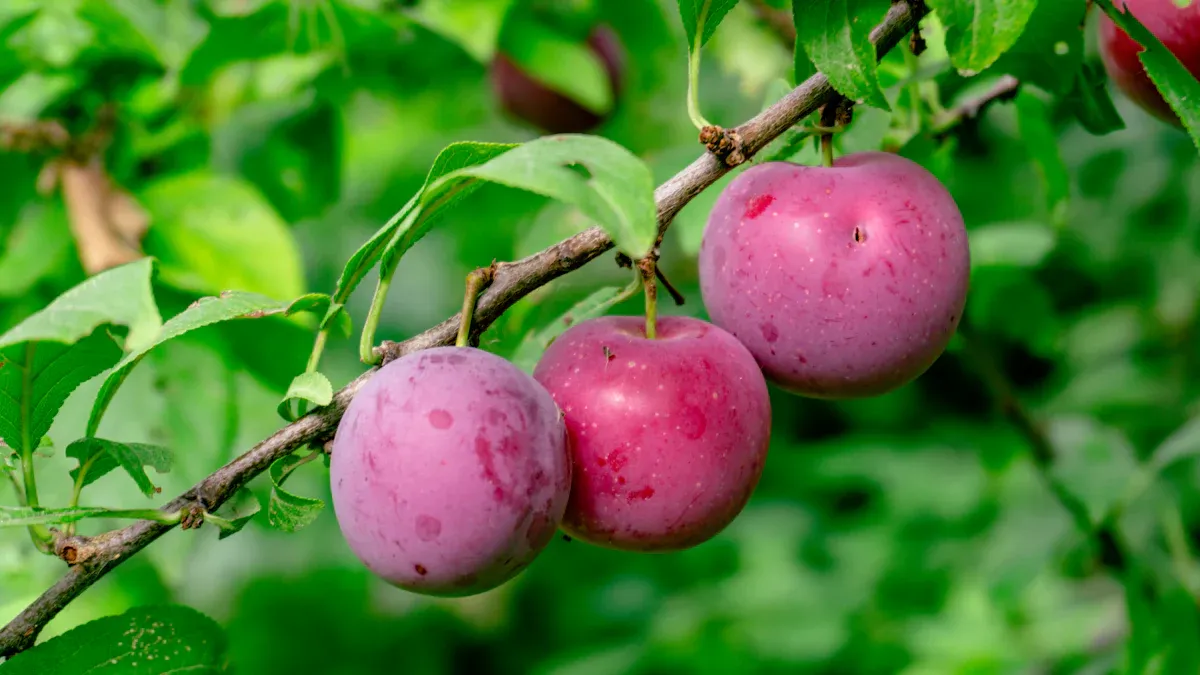
As summer ripens, vibrant plums burst onto the scene, offering a delightful taste. This versatile stone fruit comes in many colors and flavors. You will find plums are a delicious and nutritious fruit. This blog explores plum nutrition, focusing on calories. We will also uncover the amazing health benefits and versatile uses of this sweet fruit. Get ready for some sweet facts and amazing uses!
Key Takeaways
- Plums are a low-calorie fruit. They have many vitamins and minerals. These include potassium and vitamin C.
- Plums help your body in many ways. They have antioxidants that protect your cells. They also help with digestion and bone health.
- Plums can help manage blood sugar. They also help with weight control. This is because they have fiber and a low glycemic index.
- You can eat plums in many ways. Enjoy them fresh, dried, or in drinks. You can also use them in cooking and baking.
- Be careful with plums if you have allergies. Eating too many can cause stomach upset. Always wash plums well to remove pesticides.
Plum Nutrition Facts: Calories & More
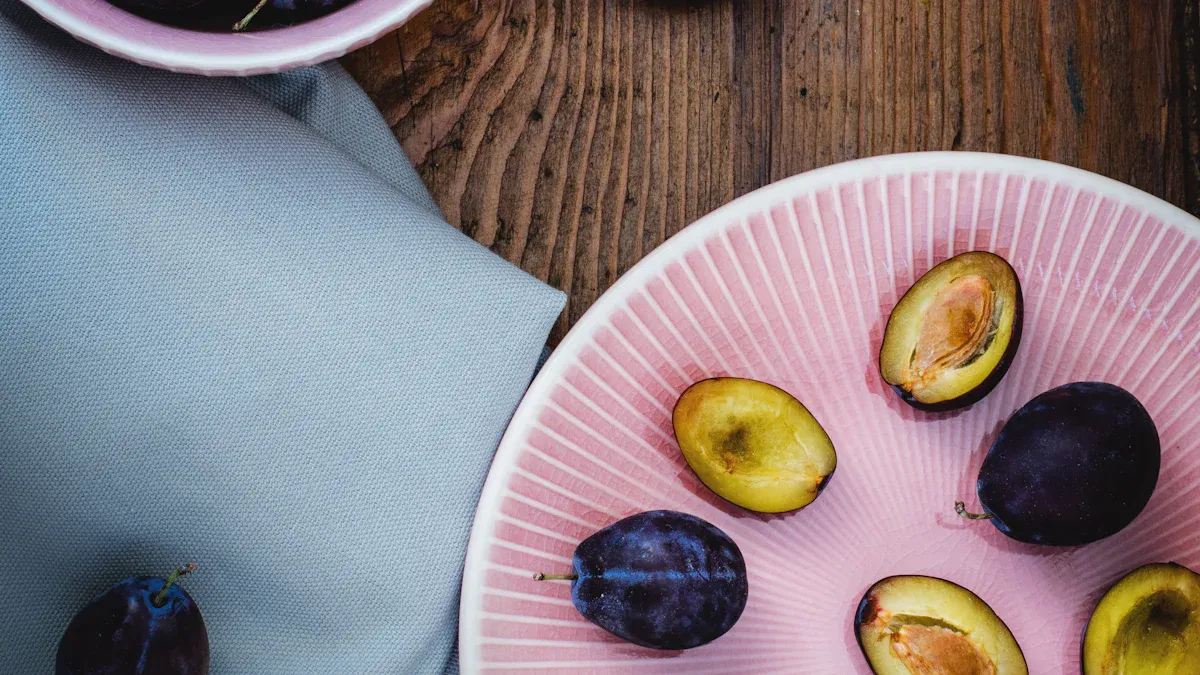
You want to know what you are eating. Understanding the plum nutrition facts helps you make smart choices. This section details the nutritional content of a medium-sized plum. You will learn about its calories, macronutrients, and key vitamins and minerals.
Calorie Count & Macronutrients
A medium-sized plum offers a low-calorie option. You will find its calorie count quite modest. A fresh plum, about 2-1/8 inches in diameter, contains only 30 calories. This makes it a light snack.
| Serving Size | Calories |
|---|---|
| 1 fruit (2-1/8″ dia) | 30 |
Dried plums, also known as prunes, have more calories. This is because the drying process removes water. For example, Jolly Fresh Pitted Prunes contain 110 calories per serving.
Understanding the macronutrients in a plum is also important for your nutrition. A medium plum provides carbohydrates, protein, and very little fat. Here is a breakdown of the macronutrients:
| Nutrient | Amount |
|---|---|
| Carbohydrates | 8 g |
| Protein | 1 g |
| Fat | 0 g |
Another source shows similar plum nutrition facts:
| Nutrient | Amount |
|---|---|
| Carbohydrates | 7.5 g |
| Protein | 0.5 g |
| Fat | 0.2 g |
You can see the macronutrient distribution clearly in this chart: These nutrition facts show plums are a great source of quick energy from carbohydrates.
Key Vitamins & Minerals in Plums
Beyond calories and macronutrients, plums offer many essential vitamins and minerals. These contribute to overall plum nutrition. You get more than just a sweet taste from this fruit. Plums are rich in important micronutrients.
For example, a 165g serving of plums provides significant amounts of potassium, copper, and manganese. Look at these specific amounts:
| Nutrient | Amount per 165g serving |
|---|---|
| Potassium | 259.05 mg |
| Copper | 0.09 mg |
| Manganese | 0.086 mg |
This chart visually represents these key minerals: Potassium helps maintain fluid balance in your body. Copper and manganese play roles in many body functions. Plums also contain vitamin C. This vitamin is vital for your immune system and skin health. You will learn more about vitamin C benefits later.
Hydration and Water Content
Plums are not just about solid nutrition; they also help you stay hydrated. Fresh plums have a very high water content. This makes them refreshing. In fact, plums contain up to 87% water. This high water content makes fresh plums perishable. When plums are dried to make prunes, their fruit water content reduces significantly from this 87%. Eating plums helps you meet your daily fluid needs. This is an important part of your overall nutrition.
Plum Health Benefits: Why They’re Good For You
Plums offer more than just a sweet taste. You gain many health benefits when you eat this delicious fruit. Plums are rich in over 15 different vitamins and minerals. They also provide fiber and powerful antioxidants. These components work together to support your overall health.
Antioxidant Richness: Fighting Free Radicals
Plums are packed with antioxidants. These compounds protect your body from damage caused by free radicals. Free radicals can harm your cells and lead to various health problems. You will find several types of antioxidants in plums.
- Quercetin, a type of polyphenol, acts as an antioxidant. It also has anti-inflammatory properties. This can help improve heart health.
- Polyphenols relax your blood vessels. This improves blood flow to your brain. They may also boost your memory and brain function.
- Phytonutrients offer many antioxidant benefits. Dark-colored plums are especially rich in these.
- Anthocyanins, a type of flavonoid, give dark plums their color. They are powerful antioxidants.
These antioxidants defend your body. They minimize inflammation. They may also lower your risk of certain cancers, like breast and colon cancer. The antioxidant properties of plums make them a valuable addition to your diet.
Digestive Health: Fiber’s Role
Plums are excellent for your digestive system. They contain dietary fiber. A whole plum typically has about 1 to 1.5 grams of fiber. This fiber is crucial for a healthy digestive system.
Plums are rich in soluble fiber. This fiber dissolves in water and swells in your intestines. This process slows down how quickly food moves through your gut. It helps you feel full longer. Soluble fiber also helps control cholesterol and blood sugar. The fiber in plums generally promotes good digestive health.
Supporting Bone Health
You can support your bones by eating plums. Plums contain specific compounds that help build strong bones.
- Plum-specific polyphenols are linked to increased bone volume and strength.
- Crude dried plum extracts contain many plum-specific phenolics. These extracts can stop the breakdown of bone cells. They do this by affecting certain genes and inflammatory factors.
- These phenolic-rich extracts also help new bone cells grow. They boost the expression of genes like runx2, osterix, and IGF-I. These genes are important for bone formation.
Phenolic compounds in fruits like dried plums, including chlorogenic acids, phenolic acids, and flavonoids, offer bone benefits. These compounds help reduce oxidative stress. They also target inflammation that can harm bones, especially in certain conditions.
Boosting Heart Health
Plums contribute to a healthy heart. They contain high amounts of soluble and insoluble fiber, such as pectin and cellulose. Soluble fiber can reduce how much cholesterol your body absorbs. It also helps remove bile from your body. This prevents cholesterol from building up in your blood vessels.
Plums might also increase the expression of PPARα mRNA. This can reduce certain proteins and induce lipoprotein lipase. These actions lead to lower serum triglycerides. These mechanisms show a positive impact on heart health markers. Eating plums can help prevent hypertension and improve heart health.
Blood Sugar Management
Plums are a good choice for managing blood sugar. They have a low glycemic index (GI). Fresh plums have a GI of 24. Dried plums have a GI of 29 ± 4. This low GI means they cause only a small rise in blood sugar levels after you eat them. This makes them suitable for individuals looking to lower diabetes risk.
The low glycemic index of plums comes from their fiber, fructose, and sorbitol content. Fiber slows down how quickly your stomach empties and how nutrients absorb. This leads to a slower release of glucose into your bloodstream. Sorbitol, a sugar alcohol, absorbs poorly. Its presence with fructose further decreases sugar absorption. This helps create a more stable insulin response. Chlorogenic acid in plums can also stop your liver from making too much glucose. This reduces the amount of glucose in your blood. Plums also contain very little fructose, further minimizing the risk of increased blood sugar.
Plums for Weight Management
Plums can help you manage your weight. They make you feel full. A study found that snacking on dried plums was more effective at curbing appetite than a low-fat cookie snack. Researchers saw that dried plums led to much higher feelings of fullness (satiety).
Eating dried plums resulted in lower levels of blood glucose and insulin compared to the low-fat cookie. Consuming dried plums daily for two weeks improved blood lipids. It also enhanced overall diet quality and eased bowel movements in adult women. These plum benefits make them a smart choice for your diet.
Vitamin C Benefits: Healing & Eye Health
Plums are a good source of vitamin C. This vitamin is essential for many body functions. It helps your body heal wounds. It also supports healthy vision and eye health. Vitamin C is a powerful antioxidant. It protects your cells from damage.
Here is the recommended daily intake for vitamin C:
| Age Group | Male (mg) | Female (mg) | Pregnancy (mg) | Lactation (mg) |
|---|---|---|---|---|
| 0–6 months | 40* | 40* | N/A | N/A |
| 7–12 months | 50* | 50* | N/A | N/A |
| 1–3 years | 15 | 15 | N/A | N/A |
| 4–8 years | 25 | 25 | N/A | N/A |
| 9–13 years | 45 | 45 | N/A | N/A |
| 14–18 years | 75 | 65 | 80 | 115 |
| 19+ years | 90 | 75 | 85 | 120 |
| People who smoke | +35 | +35 | N/A | N/A |
*Adequate Intake (AI). Individuals who smoke require an additional 35 mg/day of vitamin C.
A single plum contributes to your daily vitamin C needs. This helps you maintain good health. The health benefits of black plums, in particular, are often highlighted for their high antioxidant content, including vitamin C.
Amazing Uses & Preparation of Plums
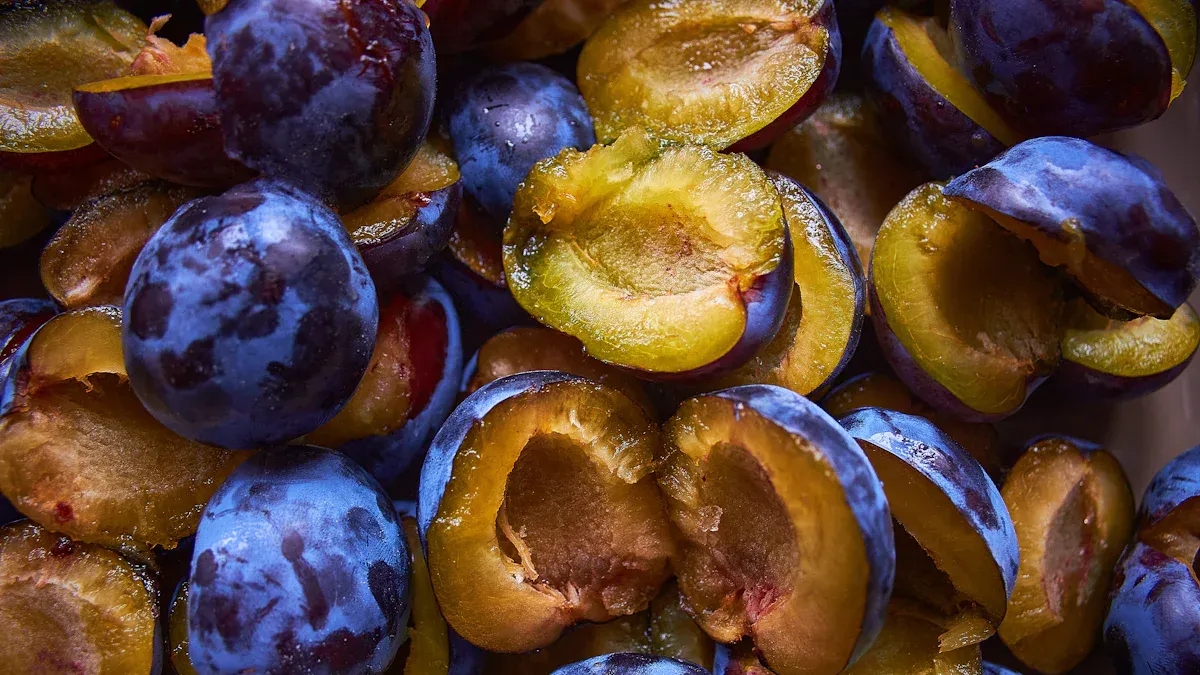
You can enjoy plums in many ways. This versatile stone fruit offers diverse culinary possibilities. You will find plums delicious, whether fresh, dried, or in various products. Let’s explore how to prepare plums for your enjoyment.
Culinary Uses: Sweet & Savory
Plums shine in both sweet and savory dishes. You can bake them into pies, tarts, or crumbles for a sweet treat. For savory meals, plums add a unique flavor. Consider these popular options:
- Plum Good Chicken Thighs
- Roasted Pork Tenderloin with Fresh Plum Sauce
- Spicy Oven Roasted Plums (as a side dish for pork or chicken)
- Fresh Plum Salsa (as an accompaniment to tacos or grilled pork)
- Plum Chipotle Sauce (over pork chops or chicken)
- Grilled Radicchio and Plum Salad
These ideas show you how to prepare plums for any meal.
Snacking Smart: Fresh & Dried
Eating fresh plums is a simple and healthy snack. They are naturally sweet and juicy. You can also enjoy dried plums, known as prunes. These make a convenient, portable snack. However, you should know the nutritional differences between fresh and dried plums.
| Nutritional Aspect | Fresh Plums | Dried Plums (Prunes) |
|---|---|---|
| Caloric Content | Lower | Approximately 5x higher |
| Water Content | Considerably higher | Lower |
| Glycemic Index | Lower | Higher |
| Iron | Less | More |
| Fiber | Less | More |
| B Vitamins | Less | More |
Dried plums offer more concentrated nutrients. They are a great addition to your diet.
Beverages and Smoothies
Plums are excellent for drinks too. You can blend them into refreshing beverages and smoothies. Plum’s Cooking Company even has a dedicated category for ‘Shakes & Smoothies’ recipes. Try these ideas:
- Plum Juice (with carrots and beets)
- Smoked Plum Lemonade
- Cinnamon Plum Juice (with cardamom)
- Sparkling Plum Basil Cocktail
- Hibiscus Plum Iced Tea
These drinks are a delicious way to include this fruit in your diet.
Preserving Plums: Jams & More
You can preserve plums to enjoy them all year. Making plum jam at home is a rewarding process. Plums are ideal for jam because their skin contains pectin. This helps the jam gel without needing extra pectin. Here is how to prepare plums for jam:
- Wash and cut plums in half. Remove the pits and cut the plums into chunks. You do not need to remove the skin.
- Add sugar to the plum slices.
- Combine the plum and sugar mixture with lemon juice and water in a large saucepan.
- Cook the mixture. Bring it to a full rolling boil. Stir for 15-20 minutes until it reaches its gelling point.
- Use a canning thermometer to confirm the gelling point. Then, remove from heat.
- Ladle the jam into prepared, sterilized jars.
- Process the jars in a water bath canner. Adjust processing time for altitude if necessary.
- Allow the jars to cool completely before moving them.
Selecting and Storing Plums
Choosing ripe plums ensures the best flavor. Look for plums with a deep, even color. The skin should be slightly soft when you gently press it, but not mushy. Dull skin is a positive sign for ripe plums. Once ripe, you can store plums in the refrigerator for 3 to 5 days. For longer storage, plums can last two to four weeks at 30° to 32° F.
Potential Risks & Considerations
While plums offer many benefits, you should know about potential risks. Some people may experience adverse reactions. Understanding these considerations helps you enjoy plums safely.
Allergic Reactions
You might experience allergic reactions to plums. Common allergens in plums include specific proteins. These are Pru d 1, Pru d 2, Pru d 3, and Pru d 4. Pru d 3, a lipid transfer protein (LTP), is a major allergen. It is especially concentrated in the skin of Rosaceae fruits.
Symptoms of a plum allergy vary. You might have mild reactions like Oral Allergy Syndrome (OAS). This often involves itching or tingling in your mouth, throat, or on your lips. Profilin often causes OAS. More severe reactions can occur. These include anaphylaxis. LTPs often link to these severe reactions. Specific symptoms reported include vaginal pruritus, generalized erythema, facial swelling, and shortness of breath. You might also feel a tightening in your throat, dyspnoea, pruritus of both hands, or urticaria.
Oxalates and Kidney Stones
Plums contain oxalates. Oxalates can increase your risk of kidney stones. Even a small increase in urinary oxalate excretion (5 mg/day) can double this risk. An oxalate excretion above 25 mg/day is a risk factor. Levels above 40 mg/day may indicate hyperoxalurias.
Kakadu plum fruit is high in oxalates. Regular consumption of high oxalate foods can interfere with calcium absorption. It can also lead to kidney stone formation.
| Fruit | Oxalate Content (mg/100 g DW) |
|---|---|
| Kakadu Plum | 524 |
| Star Fruit | 2220 |
Digestive Sensitivity
You might experience digestive discomfort from plums. Plums are not low FODMAP in larger portions. More than two small plums or 50g can be problematic. High FODMAP intake can cause discomfort if you are sensitive to these compounds.
Sorbitol is another factor. This sugar alcohol is in plums, especially prunes. It acts as an osmotic laxative. Consuming large amounts can lead to excessive gas or diarrhea. For some, proteins in plums can trigger Oral Allergy Syndrome (OAS). These proteins are similar to those in tree pollens. You might feel itching or tingling in your mouth, throat, or on your lips.
Pesticide Residue
Pesticide residue is a concern for many fruits, including plums. You should always wash your plums thoroughly before eating them. This helps remove any surface residues. If you are particularly concerned about pesticides, you can choose organic plums. Organic farming practices avoid synthetic pesticides.
Plums offer great plum nutrition. You get many health benefits from them. They are low in calories. This versatile fruit fits many dishes. You can use plums in sweet or savory recipes. Incorporate plums into your diet. Enjoy their sweet taste. They provide amazing benefits for your health. Make this delicious fruit a part of your daily diet.


