

You see red onions everywhere. Many people view these common onions as just a flavor enhancer. However, red onions offer much more than taste. They are packed with impressive red onion nutrition and offer significant health benefits. These powerful onions contain many compounds that support your well-being. You will discover the amazing benefits of these onions. This guide helps you learn practical ways to add these versatile onions to your meals for a healthier life.
Key Takeaways
- Red onions offer many nutrients. They give you important vitamins and minerals.
- These onions contain strong plant compounds. These compounds protect your body.
- Red onions help your heart stay healthy. They also boost your body’s defenses.
- You can use red onions in many dishes. They add flavor to your meals.
Red Onion Nutrition Facts
Red onions offer impressive red onion nutrition. You get many health benefits from them. Understanding their nutrition facts helps you appreciate these common vegetables even more. Let’s look at the specific red onion facts.
Macronutrient Profile
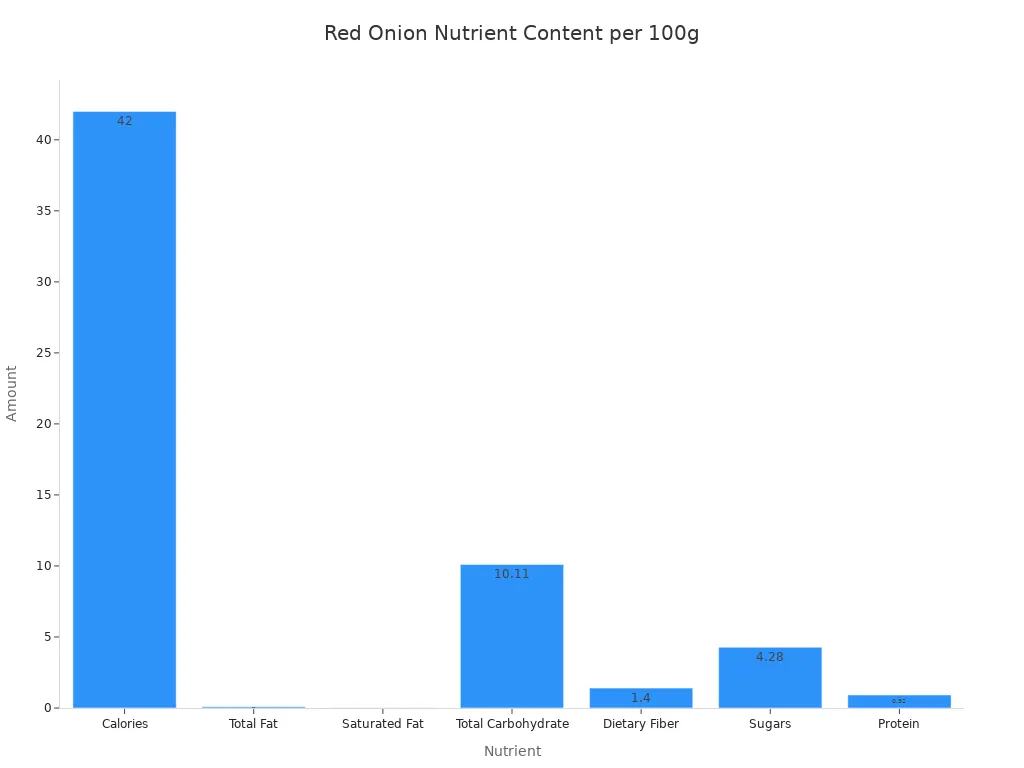
Red onions are low in calories. A typical serving of red onions, about 100 grams, contains around 42 calories. This makes them a great addition to your meals without adding many extra calories. You can see their general nutritional values in the table below:
| Nutrient | Amount per 100g |
|---|---|
| Calories | 42 |
| Total Fat | 0.08g |
| Saturated Fat | 0.026g |
| Total Carbohydrate | 10.11g |
| Dietary Fiber | 1.4g |
| Sugars | 4.28g |
| Protein | 0.92g |
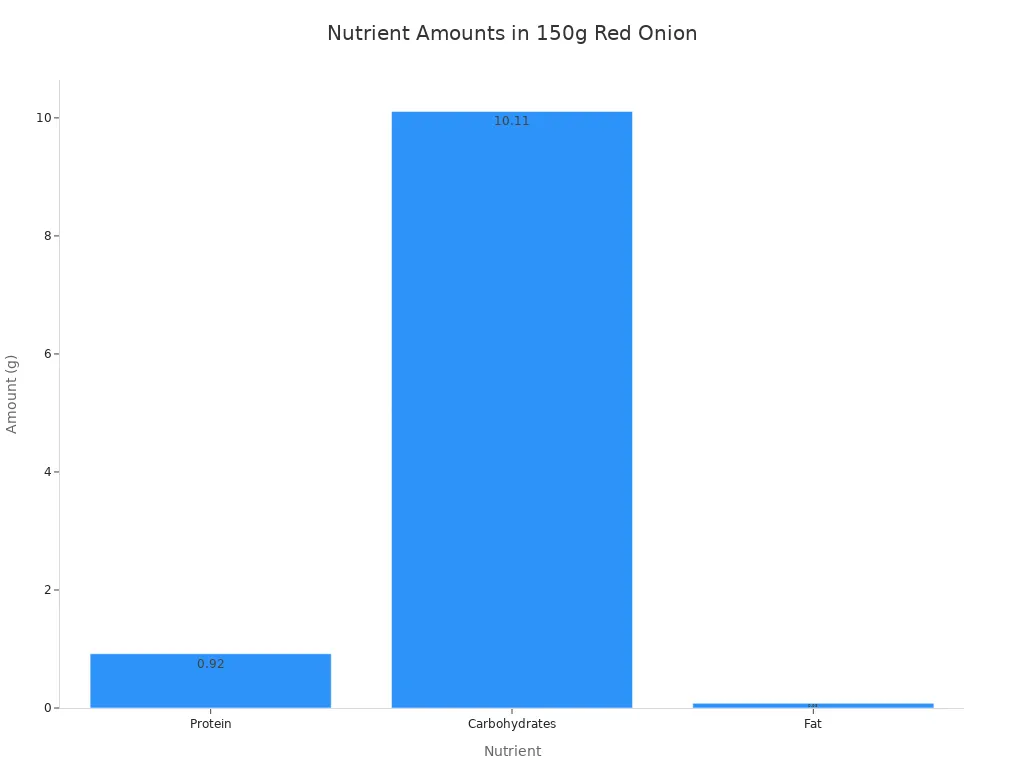
For a larger serving, like 150 grams, you get about 60 calories. This serving provides you with a good amount of carbohydrates and fiber. You also get a small amount of protein and very little fat.
| Nutrient | Amount (150g) |
|---|---|
| Protein | 0.92g |
| Carbohydrates | 10.11g |
| Fat | 0.08g |
These onion nutrition facts show you that red onions are mostly water and carbohydrates. They also provide dietary fiber, which is good for your digestion.
Key Red Onion Nutrients
Red onions contain important nutrients. They are a good source of essential vitamins and minerals. You will find several key nutrients in onions.
- Red onions contain potassium and Vitamin C.
- Tropea red onions, a specific type of purple onions, have notably higher levels of potassium and Vitamin C. This is especially true in their peel.
- Vitamin C is the most abundant vitamin compared to Vitamin A and Vitamin E. You find it mostly in the peel. Whole onions and the pulp have much lower concentrations.
- Red onions, especially Tropea, contain the highest levels of Vitamin C.
- Calcium and potassium are the most common minerals. Tropea whole onions and pulp show the highest levels of these.
Onions are a good source of Vitamin C and Vitamin B6. They also provide minerals such as potassium and manganese. The average American’s potassium intake is often less than half the recommended daily value of 4,700 milligrams. Adding red onions helps you increase your intake of this vital vitamin and mineral. You get a high in vitamins boost from these vegetables.
Beneficial Plant Compounds
Beyond basic nutrients, red onions are rich in beneficial plant compounds. These compounds give red onions their unique color and many health benefits. They are a great source of antioxidants.
Quercetin is a powerful flavonoid antioxidant. You find it widely in onions, tea, green vegetables, and fruits. It belongs to a major class of plant food components called polyphenols.
| Compound | Amount (mg/100g) |
|---|---|
| Total Polyphenols | 310 |
| Total Flavonoids | 61 |
| Quercetin | 30–45 |
| Anthocyanins | 7–21 |
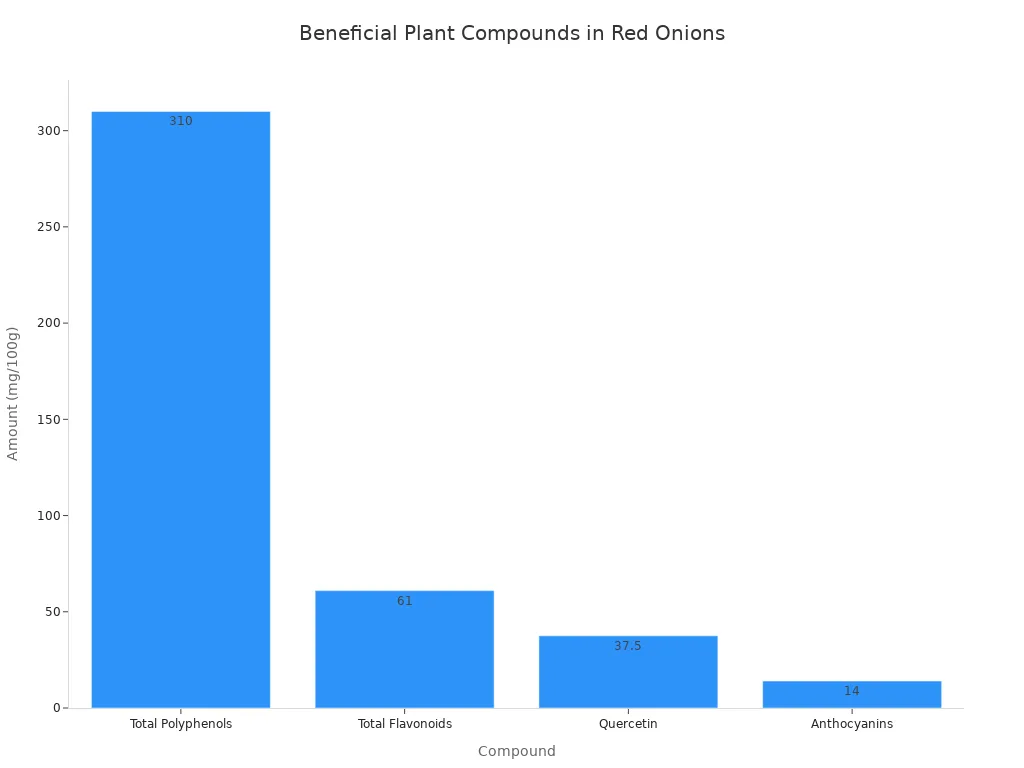
Red onions are a rich source of flavonoids and sulfur-containing compounds. These include allicin, which gives onions their strong smell and taste. These compounds act as antioxidants in your body. They protect your cells from damage. This makes red onion nutrition truly stand out.
Red Onion Health Benefits
Red onions offer many amazing health benefits. You gain these benefits from their rich supply of nutrients and powerful plant compounds. Understanding these onion health benefits helps you appreciate why you should add them to your diet.
Antioxidant Power
Red onions are packed with antioxidants. These powerful compounds protect your body’s cells from damage. Free radicals are unstable molecules that can harm your cells. Antioxidants neutralize these free radicals. This action helps reduce inflammation in your body.
Scientists have studied the antioxidant power of red onions. For example, research shows a strong link between the phenolic content in red onion peel extract and its antioxidant activity. Studies also found that red onion flesh can increase antioxidant enzyme activity in rats. Other research confirms the strong antioxidant activity in different red onion varieties. One study even showed excellent radical scavenging activity in the outer layer of red onions.
Quercetin is a key flavonoid antioxidant in red onions. It works by binding to and neutralizing free radicals. This prevents them from causing damage. Quercetin also helps reduce inflammation. It can lower markers like tumor necrosis factor alpha (TNFα) and interleukin-6 (IL-6) in human cells. It also blocks inflammation-related enzymes and chemicals like histamine. These actions show how quercetin in red onions protects your health.
Supporting Heart Health
Red onions play a big role in supporting heart health. They help reduce oxidative stress, which is harmful to your cardiovascular system. Studies show that eating onions can decrease activity of an enzyme called NADPH oxidase. This enzyme is linked to heart problems like high blood pressure and hardening of the arteries. Onions also help keep important antioxidant enzymes strong. This helps your body detoxify harmful reactive oxygen species.
Flavonoids like quercetin, found in red onions, improve how your blood vessels work. They enhance your body’s response to nitric oxide, which helps blood vessels relax. Onion compounds also stop platelets from clumping together. This helps prevent blood clots. They protect against the oxidation of lipoproteins, which can lead to plaque buildup. The sulfur compounds in onions also help reverse damage to blood vessels. All these actions contribute to improved heart health.
Red onions can also help lower blood pressure. Research shows that onion extracts can block an enzyme called Angiotensin-Converting Enzyme (ACE). This enzyme narrows blood vessels. Quercetin, a main component, binds to ACE and helps reduce blood pressure. It also makes blood vessels wider, especially in your heart. This helps you lower your risk of heart disease.
Studies show that onions can prevent strokes, heart attacks, and hardening of the arteries. They stop platelets from aggregating, both in test tubes and in living bodies. For instance, onion juice reduced platelet clumping in dogs. In rats, onion extracts significantly lowered levels of a clot-forming substance. These anti-thrombotic benefits are linked to quercetin. Red onion peel extract also stops platelet aggregation by blocking molecules that cause clumping and by affecting certain enzymes. Eating raw red onions can also inhibit platelet function, further supports heart health.
Boosting Immunity
Red onions are a good source of compounds that boost your immune system. They contain over 25 types of flavonoids. These natural plant substances have antioxidant properties. Anthocyanins, which give red onions their color, are especially concentrated in them.
Red onions are also high in Vitamin C. This is another important antioxidant that supports a healthy immune system. Both flavonoids and Vitamin C protect your body from free radicals. These free radicals cause inflammation and contribute to chronic diseases. By fighting these harmful molecules, red onions help keep your immune system strong.
Onions also contain polyphenols and other antioxidants. These fight free radicals from sources like pollution and UV rays. This helps boost your overall immune health. Furthermore, red onions are packed with prebiotics. These are crucial for a healthy digestive system, which in turn boosts immunity and reduces gut inflammation. Quercetin, abundant in red onions, fights inflammation and strengthens your immune system.
Digestive Wellness
Red onions greatly contribute to your digestive wellness. They are rich in prebiotics like fructans, fructooligosaccharides (FOS), and inulin. Your body does not digest these prebiotics. Instead, they travel to your colon.
These prebiotics feed beneficial gut bacteria, such as Bifidobacterium and Lactobacillus. This promotes their growth and creates a more diverse gut microbiome. When gut bacteria ferment these prebiotics, they produce short-chain fatty acids (SCFAs). These include butyrate, acetate, and propionate.
SCFAs strengthen your gut. They provide energy to colon cells and maintain the intestinal barrier. This prevents a condition called ‘leaky gut’. A healthy gut barrier and balanced microbiome, supported by SCFAs, boost your immune system. A large part of your immunity lives in your gut. SCFAs, especially butyrate, also have anti-inflammatory properties. They reduce gut irritation and help with overall anti-inflammatory effects in your body. By helping good bacteria grow, red onions improve digestion. This leads to better nutrient absorption and regular bowel movements. This supports digestive health.
Anti-Inflammatory Effects
Red onions contain specific compounds that fight inflammation. These compounds help reduce swelling and pain in your body. Onion extracts have phenolic compounds like protocatechuic, ellagic, and vanillic acids. These compounds show anti-inflammatory effects. They stop molecules that cause inflammation and cartilage damage.
Red onions are rich in flavonoids, especially quercetin and its related compounds. These are known to stop oxidative damage. They also work against damage in cartilage cells. Quercetin and similar compounds can reduce inflammation and markers of cartilage breakdown.
Onion extracts work by decreasing the movement of a key factor called NF-κB p65. This factor activates inflammatory pathways. By reducing its movement, red onions help lessen inflammation. These powerful anti-inflammatory properties are another reason to include red onions in your diet.
Versatile Uses for Red Onions
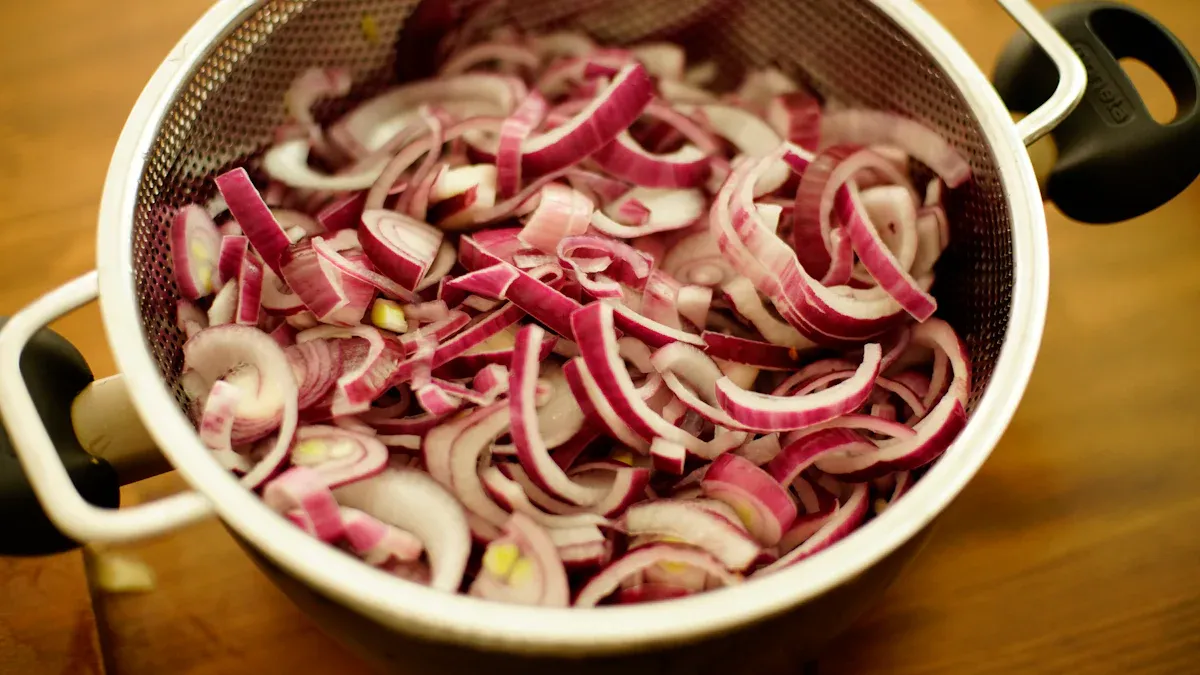
Red onions are incredibly versatile in the kitchen. You can use them in many ways to add flavor and texture to your meals. Their unique taste and color make them a favorite for both raw and cooked applications.
Raw Culinary Applications
You can use red onions raw in many dishes. They are a natural choice for any recipe needing raw onions. Their crispness and flavor enhance salads, sandwiches, burgers, tacos, homemade salsas, and relishes. You can also make excellent pickles with them. Marinated onions, perhaps in balsamic vinegar, work well in salads, dressings, or as a sandwich topping. They are a good source of crunch and zest.
Cooked Dishes and Flavor
Cooking transforms the flavor of onions. When you cook them, their sharp taste mellows and becomes sweet. This makes them perfect for many warm dishes. You can add them to hearty soups, savory stews, and roasted vegetable medleys. They are also great in stir-fries, adding depth and a subtle sweetness that complements other ingredients. Caramelizing onions brings out even more of their natural sugars, creating a rich, sweet addition to pizzas or pasta sauces.
Creative Recipe Ideas
Try some innovative ways to use onions. Agrodolce red onions are a great idea. These are soft, like caramelized onions, but you can make them in just 15 minutes. They offer tart-sweet flavors, like a mix between a pickle and a chutney. This method turns regular supermarket purple onions into a versatile condiment. Serve them with grilled meats, on an antipasto platter, in sandwiches, or on pizza. Pickled red onions also offer a sweet and tangy pop of flavor. They enhance salads, sandwiches, and burgers. This recipe is quick, taking only 10 minutes. You can store them in the refrigerator for up to two weeks.
Preparation Tips
Preparing onions is simple. You can slice, dice, or chop them depending on your recipe’s needs. For thin slices, use a sharp knife or a mandoline. If you want to reduce their strong taste for raw use, soak sliced onions in cold water for about 15 minutes. This simple step makes them milder and crisper, perfect for salads or garnishes. Always use a sharp knife for safety and efficiency.
Storage and Selection
You want to get the most out of your red onions. Proper selection and storage are key. You can keep them fresh and flavorful for longer.
Choosing Fresh Red Onions
You should pick the best red onions at the store. Look for firmness. Red onions should feel solid and dense. They should not have any squishy spots. Their skin should be smooth and crisp. Avoid any bulbs with cuts, bruises, or blemishes. You should also check the neck. Do not choose onions with a thick, woody, or open neck. These signs mean the onion is developing a seed stem. Avoid onions with moisture at the neck. This shows decay. Also, make sure the onions are free from green sunburn spots. You should not see any sprouts. Sprouting means the onions are getting old. They might be too pungent. Fresh onions should have little to no scent.
Optimal Storage Methods
You can store red onions correctly to extend their life. Keep them in a cool, dry, and dark place. The ideal temperature is between 45-55°F. Humidity should be around 65-70%. Store them in a dark area. This prevents sprouting. You need good air circulation. Use mesh bags, crates, or baskets. Avoid plastic bags. Plastic bags trap moisture. This can cause mold and spoilage. You should regularly check your onions. Remove any spoiled ones right away. Keep onions separate from other produce. They can make other fruits and vegetables ripen faster. Do not store them in the refrigerator. High humidity in the fridge makes them soft and moldy.
Potential Considerations
Red onions offer many benefits. You should also know about some potential considerations. Onions can sometimes cause heartburn. This happens especially if you have GERD. Eating onions can also give you temporary bad breath. Onions have a potential anticoagulant effect. They might interfere with blood-thinning medicines like warfarin. This could increase your bleeding risk. Cutting onions can make your eyes water. This is due to a natural chemical. Raw onions can cause a burning feeling in your mouth. Cooking reduces or removes this sensation. Onion allergy is rare. However, many people have an intolerance to raw varieties. Symptoms include hives, tingling, swelling, or an upset stomach. Onions contain FODMAPs. These can cause bloating, gas, or cramping in some people. This is especially true for those with IBS. Onions are dangerous for pets. They contain compounds that can harm dogs, cats, and other animals.
You have explored the impressive red onion nutrition, their many health benefits, and their culinary versatility. These simple onions offer a powerful boost to your healthy diet. Experiment with these amazing onions in your cooking. Enjoy the numerous advantages these onions provide. You will find many benefits from adding more onions to your meals. Embrace whole, nutritious foods for your overall well-being.
FAQ
Can I eat red onions raw?
Yes, you can eat red onions raw. They add a crisp texture and sharp flavor to salads, sandwiches, and tacos. Soaking these onions in cold water for 15 minutes makes them milder. This reduces their strong taste. Many people enjoy raw onions.
Do red onions lose nutrients when cooked?
Cooking can reduce some heat-sensitive nutrients in onions, like Vitamin C. However, many beneficial compounds, such as flavonoids and sulfur compounds, remain stable in cooked onions. Some antioxidants may even become more available to your body. You still get many benefits from cooked onions.
What makes red onions red?
Anthocyanins give red onions their vibrant color. These are powerful antioxidants. They belong to a group called flavonoids. These compounds contribute to the health benefits of these onions. You find them in the outer layers of the onions.
How do red onions help my heart?
Red onions contain compounds like quercetin. These improve blood vessel function. They also help lower blood pressure. Onions prevent blood clots. This reduces your risk of heart disease. Eating onions regularly supports your cardiovascular system.


