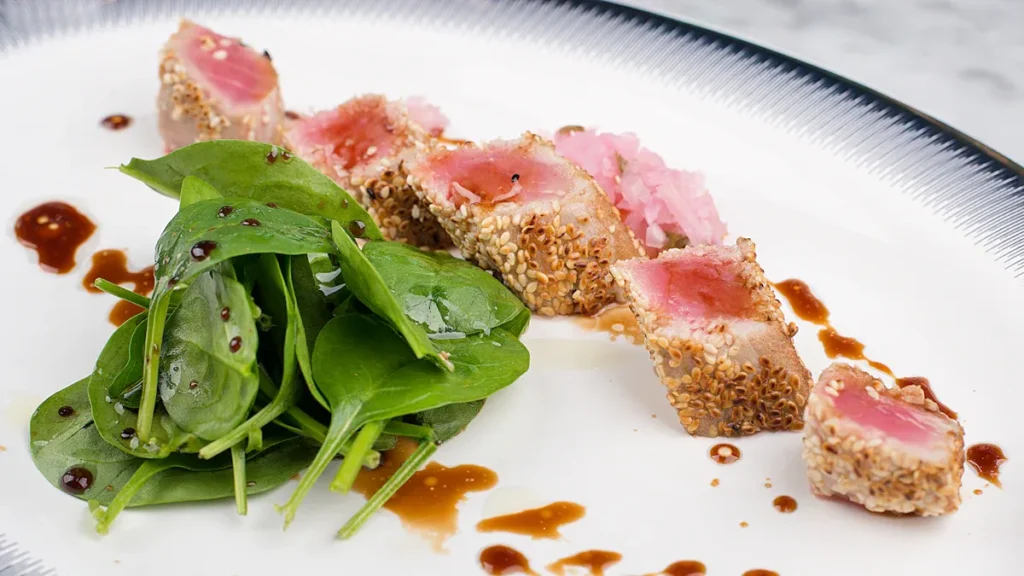
Tuna is a popular and versatile seafood. Many consider it a healthy protein source and even a superfood. What makes tuna so nutritious? How can it benefit your health? This article provides a comprehensive guide. You will learn about key Tuna Nutrition Facts, its amazing benefits, and how to consume it safely.
Key Tuna Nutrition Facts
Tuna Nutritional Profiles
Tuna stands out as a true “superfood” in the seafood world. You get a lot of nutrition without many calories. It gives you plenty of protein, healthy omega-3 fatty acids (DHA and EPA), and many important vitamins. These nutrients make tuna a great choice for your diet.
You can see the impressive protein and calorie content in fresh tuna:
| Nutrient | Amount per 100g |
|---|---|
| Calories | 108 |
| Protein | 23.38g |
When cooked, tuna offers even more protein per serving.
| Nutrient | Amount per 100g (Cooked) |
|---|---|
| Calories | 132 kcal |
| Protein | 29g |
Tuna is also famous for its omega-3 fatty acids. These are crucial for your health. Different types of tuna have varying amounts of DHA and EPA.
| Tuna Type | DHA (grams per 3 oz serving) | EPA (grams per 3 oz serving) |
|---|---|---|
| Light, canned in water, drained | 0.17 | 0.02 |
| Yellowfin, cooked | 0.09 | 0.01 |
These Tuna Nutrition Facts show you how much goodness you get in each serving.
Canned Tuna: Water vs. Oil
Canned tuna is a convenient and affordable option. You often find it packed in either water or oil. The way it is packed changes its nutritional profile.
Tuna packed in water generally has fewer calories and less fat. Tuna packed in oil, however, can have more calories and fat. This is because the oil adds extra calories.
Look at how the nutritional values compare per 100 grams:
| Nutrient | Canned Tuna, Packed in Oil (per 100g) | Canned Tuna, Packed in Water (per 100g) |
|---|---|---|
| Calories | 200 | 86 |
| Total Fat | 7.1g | 3.6g |
| Protein | 28.6g | 21.4g |
This chart clearly shows the differences.
If you are watching your calorie or fat intake, tuna packed in water is often the better choice. It still gives you plenty of protein.
Essential Vitamins and Minerals
Beyond protein and omega-3s, tuna provides many other vital nutrients. These contribute to the impressive Tuna Nutrition Facts.
- Lean Protein: Tuna is an excellent source of lean protein. Your body uses protein for building and repairing tissues. It also helps you feel full.
- Omega-3s: As you learned, DHA and EPA are crucial for heart and brain health.
- Vitamin D: This vitamin is important for strong bones and a healthy immune system. Tuna is one of the few natural food sources of Vitamin D.
- Selenium: This mineral acts as an antioxidant. It helps protect your cells from damage.
- B Vitamins: Tuna contains several B vitamins, including Niacin (Vitamin B3). These vitamins help your body turn food into energy. They also support nerve function.
A standard serving of tuna can provide a significant portion of your daily needs for some of these nutrients.
| Nutrient | Daily Recommended Intake Percentage |
|---|---|
| Vitamin D | 20% |
| Selenium | 50% |
| Niacin | Not explicitly mentioned |
You can see that tuna offers a substantial amount of Selenium and Vitamin D. This makes it a powerful food for your overall health.
Top 5 Tuna Health Benefits
Tuna offers many health benefits. You can improve your well-being by including it in your diet. Here are the top five ways tuna helps your body.
Heart Health and Omega-3s
Your heart benefits greatly from tuna. It contains high levels of omega-3 fatty acids, specifically DHA and EPA. These healthy fats are vital for a strong heart. They help lower your triglyceride levels. High triglycerides can increase your risk of heart disease.
Omega-3s work in several ways to protect your heart:
- They reduce your liver’s fat production. This includes very-low-density lipoproteins (VLDL).
- They help break down triglyceride-rich lipoproteins. These include chylomicrons.
- They create compounds that reduce inflammation. These compounds also help resolve inflammatory processes in your body.
- They decrease the formation of blood clots.
- They boost the burning of fats for energy. This stops your liver from making too much fat.
- They improve the removal of chylomicrons from your blood. This shortens how long triglyceride-rich lipoproteins stay in your system.
A special mechanism involves N-acyl taurines (NATs). One type, C22:6 NAT, comes from omega-3 fatty acids. It builds up in your bile and blood after you consume omega-3s. C22:6 NAT stops your intestines from breaking down and absorbing triglycerides. This leads to lower triglycerides in your blood. It also protects your liver from too much fat. This shows another way omega-3s reduce triglyceride levels.
You should aim to eat about 8 ounces of tuna each week. This amount helps you get enough omega-3s for heart protection.
Protein for Muscle and Satiety
Tuna is an excellent source of lean protein. Protein is essential for your body. It helps build and repair your muscles. If you exercise, protein helps your muscles recover and grow stronger.
Tuna protein also helps you feel full. This feeling of fullness, or satiety, can help you manage your weight. When you feel satisfied, you are less likely to overeat.
Tuna contains about 1.5 grams of leucine per 100 grams. Leucine is an important amino acid. It tells your body to start making new muscle protein. This process is key for muscle growth. The omega-3s in tuna also help. They reduce inflammation after workouts. They improve recovery time and support joint health. They can even make your muscles respond better to protein. This makes your diet more effective for building muscle.
Research shows that fish protein is very effective for muscle growth. A study in The Journal of Amino Acids compared fish protein to plant proteins. It found fish protein activated the mTOR pathway more effectively. This pathway is crucial for muscle protein synthesis. Fish protein provides more leucine, which strongly activates mTOR. This leads to increased muscle protein synthesis. The study also found fish protein has higher bioavailability. This means your body can absorb and use it better than plant proteins.
Brain Function Support
Your brain needs good nutrition to work its best. Tuna provides nutrients that support brain function. It may even reduce the risk of brain diseases.
Eating at least one serving of tuna and dark-meat fish each week can improve your verbal memory. This benefit comes from the high amounts of omega-3 fatty acids (DHA and EPA) in these fish. These fatty acids do many good things for your brain:
- They reduce the buildup of amyloid β protein. This protein is linked to age-related cognitive decline.
- They decrease inflammation in your brain.
- They increase neurotrophic factors. These are substances that help brain cells grow and survive.
- They make your synaptic membranes more fluid. This helps brain cells communicate better.
Tuna and dark-meat fish have much more DHA and EPA (0.2–1.8 grams per serving) than light-meat fish or shellfish. Cooking methods like baking or broiling help keep these nutrients intact. Frying can destroy them.
A large review of studies found that eating more fish slows down the decline in thinking and memory. Eating four or more servings of fish per week, compared to less than one, was linked to slower memory decline. This effect was like gaining four years of age. Fish are a main source of DHA. DHA is essential for brain development and function. It is especially important in the hippocampus, which is key for memory. People with Alzheimer’s disease often have lower DHA levels in their hippocampus. Besides omega-3s, tuna also provides vitamin D and selenium. These nutrients may protect your brain. Increasing your tuna intake can help delay cognitive decline. It can also reduce the risk of diseases like Alzheimer’s.
Immune System Boost
Tuna helps strengthen your immune system. It contains important nutrients like selenium and vitamin D. These nutrients play key roles in keeping you healthy.
Optimal selenium levels make your immune cells work better. This includes:
- Macrophages, which are cells that “eat” harmful invaders.
- Natural killer cells, which fight off infections and cancer cells.
- T-lymphocytes, which are crucial for immune responses.
Selenium-containing compounds also help control inflammation. This is important for fighting off viruses. Studies show selenium can boost immunity from vaccines in animals. It increases T-cell growth and natural killer cell activity.
Selenium works as a helper for selenoproteins. These include glutathione peroxidases (GPx) and thioredoxin reductases (TrxR). These enzymes are vital for your immune system. They protect your cells from damage caused by oxidative stress. They also help regulate your thyroid hormones. These Tuna Nutrition Facts show you how much good tuna does for your body.
Bone Health and Energy
Tuna also contributes to strong bones and gives you energy. It is one of the few foods that naturally provides vitamin D. Vitamin D is crucial for your bones. It helps your body absorb calcium, which is the main building block of bones. Without enough vitamin D, your bones can become weak.
Tuna also contains several B vitamins, such as niacin. These B vitamins are like tiny power plants in your body. They help convert the food you eat into energy. This energy fuels all your body’s functions, from thinking to moving. Eating tuna can help you feel more energetic throughout your day.
Tuna Safety and Considerations
You enjoy tuna for its health benefits. You also need to know about some safety points. This includes mercury levels and how much tuna you should eat.
Tuna Mercury Levels
Tuna can contain mercury. Mercury is a metal found in the environment. Fish absorb it from the water. Larger, older fish tend to have more mercury. This is why some tuna types have higher levels than others.
Recommended Tuna Intake
You should eat tuna in moderation. The amount depends on your age and health status. Here are some guidelines for weekly intake:
| Population Group | Tuna Type | Weekly Intake Limit |
|---|---|---|
| Pregnant/Breastfeeding Women | Canned light tuna | 2-3 servings |
| Pregnant/Breastfeeding Women | Canned, fresh, or frozen white albacore tuna / yellowfin tuna | Up to 1 serving |
| Pregnant/Breastfeeding Women | Bigeye tuna | Not recommended |
| Children | Canned light tuna | 2 servings |
| Children | Canned, fresh, or frozen white albacore tuna / yellowfin tuna | Not recommended |
| Children | Bigeye tuna | Not recommended |
| General Adults | Any tuna (as part of 2 servings of fish per week) | At least 2 servings of fish per week (can include tuna) |
You can choose low mercury seafood options to reduce your exposure. These include cod, shrimp, and haddock.
Sustainable Sourcing
You can help protect ocean health. Choose sustainably sourced tuna. Look for specific labels. The Marine Stewardship Council (MSC) blue fish label shows sustainably sourced tuna.
💡 Tip: MSC certification means enough tuna remains in the ocean to reproduce. Fishing methods also minimize environmental impact. Responsible oversight monitors changes in fish stocks.
The International Seafood Sustainability Foundation (ISSF) helps tuna fisheries. They work to meet and keep sustainability standards. About half of the world’s annual tuna catch is MSC-certified.
Allergies and Interactions
You might have a fish allergy. Allergic reactions to tuna can happen. Symptoms include hives, swelling, or breathing problems. If you have a fish allergy, you should avoid tuna.
Some people worry about tuna interacting with medications. Specifically, some think tuna contains sulfonamide antibiotics. This is not true. Tuna does not have significant levels of these antibiotics. So, you do not need to worry about this interaction.
Practical Tuna Uses
Versatile Tuna Meal Ideas
Tuna is a very versatile food. You can easily add it to many different meals. It works well in salads, sandwiches, and even hot dishes. You can make a classic tuna salad sandwich. Mix canned tuna with mayonnaise, celery, and onions. You can also create a delicious tuna melt. Put tuna salad on bread with cheese and grill it. For a quick dinner, add tuna to pasta. You can also bake tuna into casseroles. These ideas help you enjoy tuna in many ways.
Quick and Healthy Tuna Recipes
You can prepare healthy tuna meals very quickly. Try a simple tuna wrap for lunch. Spread hummus on a whole-wheat tortilla. Add drained canned tuna, lettuce, and sliced tomatoes. Roll it up for a fast and nutritious meal. Another idea is a Mediterranean tuna salad. Mix canned tuna with chopped cucumbers, bell peppers, olives, and a light vinaigrette. This recipe is full of flavor and good for you.
💡 Tip: Choose tuna packed in water for fewer calories.
Storing and Preparing Tuna
Proper storage keeps your tuna fresh and safe. Store unopened canned tuna in your pantry. Keep it in a cool, dry place. Once you open a can, transfer any leftover tuna to an airtight container. Refrigerate it and eat it within two days. For fresh tuna, store it in the coldest part of your refrigerator. Use it within one to two days of purchase. Before cooking, pat fresh tuna dry. This helps it sear better. Always drain canned tuna before using it in recipes. This removes extra liquid or oil.
You now understand the impressive Tuna Nutrition Facts. Tuna offers lean protein, vital omega-3s, and essential vitamins and minerals. Remember to consume tuna mindfully. Consider mercury levels and choose sustainable options. You can enjoy tuna as a valuable part of your balanced and healthy diet. It truly supports your nutritious lifestyle.