

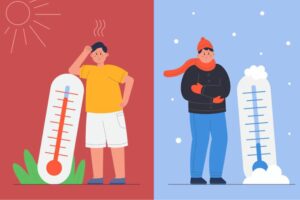
Have you ever experienced sudden changes in your body temperature? Maybe one minute you feel hot and flushed, and the next you’re shivering and bundled up in blankets. These fluctuations can be frustrating and uncomfortable, but did you know they could also provide valuable information about your overall health?
Hot and cold body temperature swings are common symptoms of various medical conditions, such as menopause, thyroid disorders, infections, or autoimmune diseases. They can also be caused by lifestyle factors like stress, medication side effects, or alcohol consumption.
Fluctuations in body temperature occur due to changes in the body’s thermoregulatory system. This system is responsible for maintaining a stable internal temperature, typically around 98.6°F (37°C). When this system is
If you experience sudden hot and cold body temperature swings, you’re not alone. This article will explain why these fluctuations happen and provide practical tips to manage them.
Key Takeaways
- Hot and cold body temperature swings are common, particularly during menopause, and can be triggered by hormonal changes, stress, and environmental factors.
- Managing temperature swings involves lifestyle adjustments such as clothing choices, hydration, and relaxation techniques, alongside creating a comfortable sleeping environment.
- Severe symptoms accompanying temperature fluctuations may indicate underlying health issues, necessitating consultation with healthcare professionals for proper diagnosis and treatment.
Hot and Cold Body Temperature Swings
Hot and cold flashes refer to the uncomfortable body temperature fluctuations between feeling excessively hot and suddenly cold. These swings are common during menopause but can occur in other life stages as well. The body’s thermoregulation system works tirelessly to maintain a stable temperature, but when it falters, these swings can become more pronounced.
Understanding the specifics of hot flashes and cold flashes helps in identifying their triggers and effects.
Hot Flashes
A hot flash is characterized by a sudden feeling hot of intense warmth that typically affects the upper body, including the face, neck, and chest. This sensation often results from hormonal changes, particularly the decrease in estrogen levels during menopause. The hypothalamus, which regulates body temperature, responds to these lower estrogen levels by triggering a hot flash. This can cause a rapid rise in body heat, leading to visible redness and sweating. Most hot flashes last between one to five minutes and can disrupt daily activities and sleep.
Anxiety is also a notable contributor, as it activates the sympathetic nervous system, potentially leading to these sudden bursts of warmth. For many, menopausal hot flashes occur daily, becoming a regular part of life during menopause. Hormonal imbalances and symptoms like night sweats are other common aspects of this condition.
Maintaining a comfortable and active lifestyle involves managing these vasomotor symptoms.
Cold Flashes
On the flip side, cold flashes are sudden feelings of shivering and chills that can be just as disruptive. These are often triggered by hormonal fluctuations, anxiety, or exposure to cold environmental conditions. For instance, cold flashes happen during postpartum chills, a known phenomenon where new mothers experience sudden, intense shivering after childbirth.
Cold flashes can also occur after physical exertion, particularly if wet clothing isn’t replaced, leading to rapid cooling of the body. Circulatory issues like peripheral artery disease can exacerbate these sensations, making extremities feel cold and feeling cold. Regulating these temperature changes involves understanding the role of the hypothalamus, which is key to managing the discomfort they bring and can make you feel colder. Cold intolerance can also play a role in these experiences.
Common Causes of Temperature Swings
Several factors can cause your body temperature to swing between hot and cold. Hormonal fluctuations are a primary culprit, impacting individuals during menopause, the menstrual cycle, and other life stages. Medical conditions, such as thyroid disorders and infections, can also disrupt the body’s natural thermoregulation.
Additionally, circadian rhythm plays a role, causing temperature variations during sleep.
Hormonal Changes
During menopause, hormonal changes are the most common cause of temperature swings, with approximately 75% of individuals experiencing both cold and hot flashes. These fluctuations often result in night sweats and other menopausal symptoms as the hypothalamus responds to changing hormone levels.
Disrupted chemical reactions in the hypothalamus due to hormonal imbalances can cause it to misinterpret the body’s actual temperature, leading to hot or cold flashes that significantly affect daily comfort and sleep quality.
Stress and Anxiety
Stress and anxiety can powerfully trigger temperature swings. Emotional stress activates the body’s fight-or-flight response, causing temperature fluctuations. Anxiety may lead to cold flashes as the body interprets stress signals as a need to prepare for danger, impacting temperature control.
Both physical exertion and emotional stress can trigger sudden temperature changes.
Environmental and Lifestyle Factors
Environmental factors and lifestyle choices also significantly influence temperature swings. Excessive heat exposure, dehydration, and dietary habits like consuming spicy foods and alcohol can disrupt body temperature regulation. Conversely, incorporating fruits and vegetables into your diet helps maintain hydration and support temperature control.
Lower environmental temperatures, particularly at night, can trigger colder cold flashes. Adequate water intake is crucial to prevent dehydration, which can exacerbate these swings.
Nighttime Temperature Swings
Nighttime temperature swings can be particularly challenging, disrupting sleep and overall well-being. Environmental factors, such as room temperature and ventilation, play a significant role in experiencing hot and cold flashes at night.
Using air conditioning or fans can help create a more comfortable sleeping environment, thereby alleviating discomfort from these fluctuations. A stable environment is crucial for regulating body temperature during sleep.
Causes of Nighttime Cold Flashes
Nighttime cold flashes can indicate menopause when they occur alongside other menopausal symptoms. If the body becomes too cold, it may respond by shivering to generate warmth, leading to a cold flash.
Causes of Nighttime Hot Flashes
Conversely, being too hot during sleep can trigger hot flashes. When the body overheats, it releases sweat to cool down. Night sweats, a common occurrence during nighttime hot flashes, can significantly disturb sleep and impact overall health.
Managing Nighttime Temperature Swings
Managing nighttime temperature swings involves adjusting your sleeping environment. Setting the room temperature to around 65 degrees can help maintain comfort during hot and cold flashes.
Moisture-wicking fabrics for bedding can help keep you dry during night sweats, so experimenting to find what works best for you is important.
Impact of Medical Conditions on Temperature Regulation
Various medical conditions can significantly affect how your body regulates temperature. Thyroid disorders, changes in blood pressure and circulation, and infections are notable contributors.
Recognizing these impacts aids in managing the discomfort associated with temperature swings.
Thyroid Disorders
Thyroid disorders can have a profound impact on body temperature. An overactive thyroid raises body temperature due to increased metabolic rates, leading to heat intolerance and excessive sweating. Conversely, an underactive thyroid can lower body temperature, making an individual more sensitive to cold environments. Both hyperthyroidism and hypothyroidism cause significant variations in body temperature.
The hypothalamus, responsible for regulating body temperature, can be disrupted by hormonal changes, further complicating how to regulate body temperature. Regular blood tests and monitoring hormone levels can help manage these conditions effectively.
Blood Pressure and Circulation Issues
Fluctuations in blood pressure can influence how blood flows through your body, causing sudden changes in temperature sensations. Rapid changes in blood pressure may lead to sensations of heat or cold due to varying blood flow to the skin. Poor circulation can impair heat distribution, further affecting the body’s ability to regulate temperature.
Recognizing the relationship between blood pressure, circulation issues, and temperature regulation is crucial. Regular monitoring and managing these factors can help alleviate discomfort.
Infections and Other Health Issues
Infections often trigger fever as an immune response, causing the body to alternate between sensations of heat and chills. Autoimmune diseases and other underlying health issues can lead to abnormal temperature fluctuations due to immune system dysregulation.
Promptly addressing these health issues is crucial to prevent significant discomfort and potential complications. Seeking medical help for persistent or severe symptoms ensures proper diagnosis and treatment.
Practical Tips for Managing Temperature Swings
Combining lifestyle adjustments and practical tips helps manage temperature swings. Strategies include clothing and bedding adjustments, dietary changes, and relaxation techniques to maintain comfort.
Clothing and Bedding Adjustments
Layering clothing allows for easy adjustment to changing temperatures, enabling quick removal or addition of garments as needed. Wearing breathable, loose-fitting clothing, such as cotton, can help your body stay cool during hot flashes.
Similarly, using breathable fabrics for bedding can enhance comfort during temperature fluctuations.
Dietary and Hydration Tips
Staying adequately hydrated is essential for managing symptoms associated with temperature swings. Opting for cool beverages, like water and herbal teas, can support hydration and help cool down the body. Regular fluid intake, especially in hot conditions, is crucial to prevent dehydration-related symptoms.
Relaxation and Stress Reduction Techniques
Mindfulness meditation and deep breathing exercises effectively lower stress and minimize temperature swings. Incorporating relaxation techniques like yoga can also reduce the severity of these fluctuations.
Managing stress is vital for reducing temperature swings triggered by emotional and physical stress.
When to Seek Medical Help
If you are experiencing cold flashes or severe symptoms of hot and cold flashes, it’s important to feel hot and seek medical help.
Consulting a doctor or see a doctor healthcare professional can help identify the underlying cause and develop a treatment plan.
Identifying Severe Symptoms
Severe symptoms, such as chest pain or difficulty breathing accompanying temperature swings, require immediate medical attention. A common symptom of experiencing symptoms and side effects can lead to serious health risks and should be addressed promptly.
Treatment Options
Hormone therapy may be recommended for managing severe temperature fluctuations. Hormone replacement therapy is a common method used to alleviate severe hot flashes, improving quality of life by reducing their frequency and intensity.

