

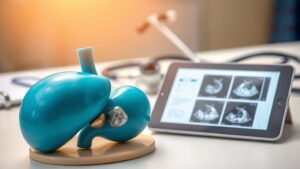
Cholelithiasis, or gallstones, often flies under the radar, quietly forming without causing a stir. Many people could not even realize they have gallstones, while 10-15% may later experience discomfort. Comprehending the ins and outs of this condition can make a significant difference in managing it. Factors like diet, weight, and gender play a role, and being alert to subtle symptoms is key. What’s next? It’s crucial to investigate the ways to maneuver this health concern effectively.
Cholelithiasis and Its Asymptomatic Nature
Cholelithiasis, which refers to the presence of gallstones in the gallbladder, often goes unnoticed in a large portion of the population-in fact, up to 80% of those affected could remain asymptomatic.
The primary composition of these gallstones is cholesterol, along with calcium bilirubinate. While many individuals live without symptoms, certain risk factors, such as obesity, female gender, genetics, and advancing age, can increase the likelihood of developing cholelithiasis.
Over time, approximately 10-15% might experience symptoms, possibly leading to complications like biliary colic. Imaging techniques often identify asymptomatic gallstones incidentally.
Although treatment is generally unnecessary for asymptomatic cases, sudden severe abdominal pain necessitates immediate medical attention to prevent complications that can arise from gallstones.
Potential Symptoms and Warning Signs
Cholelithiasis can often go unnoticed, but at the time symptoms arise, they can signal significant foundational issues.
Individuals might experience biliary colic, which manifests as sharp upper abdominal pain-often triggered by fatty meals-and can accompany nausea and vomiting.
Acknowledging these warning signs is essential, as they could indicate a need for immediate medical attention to prevent complications.
Biliary Colic Characteristics
Upon experiencing the intense discomfort associated with biliary colic, individuals often find themselves taken aback, especially since the pain can emerge suddenly after meals, particularly those rich in fat.
This upper abdominal pain is typically localized to the right upper quadrant and can feel like a gripping or cramp-like sensation that might radiate to the shoulder or back.
While nausea and vomiting can accompany biliary colic, the absence of fever and jaundice suggests no ongoing infection or inflammation.
Recurrent episodes might indicate symptomatic biliary colic, heightening the risk of complications such as cholecystitis.
Approximately 10-20% of those with gallstones could develop these symptoms within a decade, highlighting the need for careful monitoring of their condition.
Nausea and Vomiting
Feeling queasy can often be a silent alarm bell, alerting individuals to potential issues related to gallstones.
Nausea and vomiting frequently accompany gallstones, especially after consuming fatty meals, hinting at possible bile duct obstruction.
Individuals might experience nausea and bilateral abdominal discomfort during episodes of biliary colic, often described as “gallbladder attacks.”
Recurrent bouts of nausea could signal more serious complications like acute cholecystitis or pancreatitis, which require prompt attention.
It is vital for patients to monitor persistent symptoms, as they could indicate the need for deeper diagnostic evaluation or intervention.
Identifying these symptoms promptly can lead to better results, highlighting the significance of listening to one’s body at the time it raises red flags.
Upper Abdominal Discomfort
Should patients experience upper abdominal discomfort, it can serve as a vital signal that something could be amiss with their gallbladder. This discomfort often points to gallstones and might present as biliary colic-sudden, intense pain, particularly after consuming fatty meals.
Accompanying symptoms like nausea and vomiting can suggest complications, especially assuming they persist. Referred shoulder pain might also arise due to irritation of nearby structures.
Once upper abdominal discomfort is accompanied by fever or chills, it could indicate acute cholecystitis, requiring urgent medical attention.
Even chronic symptoms merit attention from healthcare professionals, as they can signify ongoing biliary challenges that should not be overlooked.
Prompt evaluation aids in preventing further complications and guarantees better management of gallbladder health.
Important Diagnostic Techniques
How can one accurately diagnose cholelithiasis, commonly known as gallstones?
The primary diagnostic method is ultrasonography, which identifies gallstones and evaluates gallbladder abnormalities with a sensitivity of about 95%.
For a more detailed assessment, computed tomography (CT) scans can reveal complications and stones in the bile ducts, albeit at higher radiation exposure.
Magnetic resonance cholangiopancreatography (MRCP) is highly effective, providing excellent sensitivity and specificity without ionizing radiation.
Additionally, hepatobiliary imino-diethyl ethylene diamine triacetic acid (HIDA) scans assess gallbladder function and diagnose acute cholecystitis by visualizing possible obstructions.
Finally, laboratory tests can point to inflammation or infection in complicated cases, although results might remain normal in asymptomatic gallstone patients.
Risk Factors Influencing Gallstone Formation
Cholelithiasis, or gallstone formation, is influenced by a variety of factors that can substantially shape an individual’s risk profile. Key risk factors include:
| Risk Factor | Description | Impact on Gallstone Formation |
|---|---|---|
| Obesity | Higher cholesterol and insulin resistance | Increased risk |
| Women | Hormonal factors like estrogen impact | 2-3 times more likely |
| Genetics | Certain groups (e.g., Native Americans) | Higher prevalence |
| Dietary Habits | High-fat and low-fiber diets | Contributes to rising rates |
Additionally, rapid weight loss alters bile composition, increasing the likelihood of stone formation. Comprehending these connections aids individuals in making more informed health decisions and taking preventive measures against gallstones.
Management Strategies for Asymptomatic Cases
In managing asymptomatic gallstones, a watchful waiting approach is often recommended, given that most individuals experience no complications.
It is also crucial for patients to adopt lifestyle modifications, such as balanced eating and regular exercise, which can help mitigate the risk of developing symptoms.
Regular monitoring for any changes, alongside education on identifying warning signs, can further enable individuals in managing their health effectively.
Watchful Waiting Approach
For many individuals wrestling with asymptomatic cholelithiasis, the watchful waiting approach can provide a reassuring course forward. This management strategy entails regular monitoring and patient education, acknowledging that about 80% of gallstones remain undetected and seldom cause symptoms.
Notably, only 10-15% of cases develop complications over a decade or so, enabling a focus on safe observation. Patients are encouraged to understand risk factors, particularly demographics like age and gender, to better recognize potential symptoms of complications, such as severe abdominal pain or jaundice.
Intervention is generally reserved strictly for those who begin exhibiting symptoms, thereby mitigating the need for unnecessary surgical procedures and enhancing patient comfort throughout their watchful waiting expedition.
Lifestyle Modifications Recommendation
Making small yet impactful lifestyle changes can greatly benefit those maneuvering the challenges of asymptomatic cholelithiasis. Highlighting a balanced diet low in cholesterol and high in fiber can significantly reduce gallstone formation risk. Regular physical activity helps maintain a healthy weight, further decreasing such incidences. Staying hydrated is key, as adequate fluid intake dilutes bile, aiding gallstone prevention. Avoiding rapid weight loss is also critical, since quick changes can disrupt cholesterol metabolism. Including healthy fats, like olive oil and omega-3 fatty acids, supports bile production and promotes digestive health.
| Tip | Description |
|---|---|
| Balanced Diet | Highlight low cholesterol and high fiber intake |
| Regular Exercise | Engage in daily physical activities |
| Stay Hydrated | Maintain adequate fluid intake |
| Avoid Rapid Weight Loss | Implement gradual weight loss strategies |
| Include Healthy Fats | Include olive oil and omega-3s in meals |
Monitoring for Symptoms
As individuals adopt healthier lifestyles to manage their asymptomatic cholelithiasis, it’s equally crucial to stay vigilant for any changes that could indicate complications.
Monitoring for symptoms guarantees prompt identification and effective management of potential issues.
- Be alert for signs of biliary colic, such as sudden, severe abdominal pain, especially after consuming fatty foods.
- Regular abdominal ultrasounds can help recognize any changes in gallstone formation or complications.
- Dietary modifications, like reducing cholesterol intake and maintaining a healthy weight, might prevent the progression to symptomatic gallstones.
It is significant for patients to seek medical attention immediately should they experience sudden upper right abdominal pain, as this could indicate cholecystitis or other serious conditions, emphasizing the need for proactive monitoring.
Possible Complications Arising From Gallstones
Complications stemming from gallstones can arise unexpectedly, often causing more trouble than one could anticipate. One potential issue is choledocholithiasis, where gallstones block the common bile duct, leading to severe conditions like cholangitis and pancreatitis.
Long-standing gallstones could also cause chronic inflammation of the gallbladder, raising the risk of gallbladder cancer. Another serious complication, Mirizzi syndrome, occurs as stones in the cystic duct compress the bile duct, mimicking acute cholecystitis symptoms.
Additionally, gallstone ileus is a rare yet concerning complication where stones move into the intestines, resulting in bowel obstruction, especially in older adults. Awareness of these conceivable complications is essential for effective management and timely intervention, promoting better results for individuals affected by gallstones.
Lifestyle Modifications for Prevention and Monitoring
To effectively combat gallstones and promote general gallbladder health, individuals can adopt various lifestyle modifications that not only lower the risk but also enhance overall wellness.
Key strategies include:
- Embracing a healthy diet low in saturated fats and refined carbohydrates, which can lower cholesterol levels and reduce gallstone formation.
- Engaging in regular physical activity to support obesity prevention and maintain a healthy weight.
- Staying well-hydrated through drinking ample water to guarantee proper bile consistency and function.
Additionally, individuals should monitor their body weight and cholesterol levels regularly.
Gradual weight loss strategies are vital, as rapid weight fluctuations can lead to increased cholesterol in bile, raising the risk of gallstones.
These practical changes provide a proactive approach to gallbladder health.

