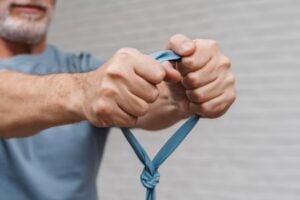
Corrective exercise plays a crucial role in addressing muscular imbalances. These imbalances can lead to poor performance and increased injury risk. You benefit from understanding how these exercises evolve to meet modern needs. Over the past decade, the approach has shifted toward an integrated, evidence-based method. This change merges rehabilitation with exercise science, reflecting a growing awareness of the importance of physical health. Lasting change requires commitment, but the rewards are significant.
Key Takeaways
- Corrective exercise addresses muscular imbalances, improving performance and reducing injury risk.
- Individualized assessment is crucial. Tailored programs lead to better outcomes than generic ones.
- Progressive overload is key for long-term gains. Gradually increase weights, repetitions, or exercise variations.
- Incorporate both static and dynamic stretching to enhance flexibility and prepare your body for activity.
- Consulting a professional can maximize the effectiveness of your corrective exercise program.
Muscular Imbalances: Definition and Causes
Muscular imbalances occur when one muscle group becomes stronger or tighter than its opposing group. This imbalance can arise from several factors:
- Quadriceps dominance: Overuse of the quadriceps can lead to weakness in the hamstrings.
- Plantar flexor dominance: Excessive reliance on calf muscles can weaken the anterior tibialis.
- Flexibility imbalances: Limited flexibility in certain muscles can restrict movement.
- Repetitive movements: Activities like dance or acrobatics can create uneven muscle development.
Additionally, specific weaknesses and tightness in muscles contribute to these imbalances. Common issues include:
- Weakness in the lower and middle trapezius
- Tightness in the upper trapezius and pectorals
- Weakness in the serratus anterior and infraspinatus
Impact on Performance
Muscular imbalances significantly affect your performance and increase the risk of injury. They can lead to:
- Poor posture, which disrupts your body’s alignment.
- Abnormal movement patterns, causing inefficient motion during activities.
- Increased stress on ligaments, tendons, and bones, raising the likelihood of injuries.
Research shows that a strength difference greater than 15% between limbs correlates with a higher risk of injury. Even a 5-10% difference can negatively impact your performance in jumping, sprinting, and endurance sports. Addressing these imbalances through corrective exercise is essential for enhancing your athletic capabilities and reducing injury risks.
By recognizing and correcting muscular imbalances, you can improve your overall movement efficiency and performance. This proactive approach not only helps you achieve your fitness goals but also promotes long-term physical health.
Corrective Exercise Principles: Assessment and Individualization
Assessment is the cornerstone of effective corrective exercise. You must evaluate your unique needs before starting any program. This process allows you to identify specific muscular imbalances and movement dysfunctions. Individualized programs lead to better outcomes compared to generic ones. Research shows that tailored exercise plans improve adherence and effectiveness, especially in populations with specific conditions, such as older adults with knee osteoarthritis.
Here are some key benefits of individualized assessment:
- Targeted Interventions: You can focus on your specific weaknesses and strengths.
- Enhanced Performance: Personalized programs can lead to improved functional movement quality.
- Injury Prevention: Addressing your unique limitations helps reduce the risk of injuries.
A systematic review highlights that targeted exercise interventions, particularly those focusing on core stability and neuromuscular control, significantly enhance functional movement screen scores among athletes. This improvement links to better athletic performance and reduced injury risk.
| Exercise Modality | Impact on Outcomes |
| Integrated Training | Enhances functional movement quality |
| Neuromuscular Training | Improves proprioception and coordination |
| Functional Training | Replicates sport-specific demands |
Progressive Overload
Progressive overload is essential for achieving long-term adaptation in corrective exercise. This principle involves gradually increasing the demands placed on your body during training. By doing so, you stimulate muscle growth, strength gains, and improved endurance.
You can apply progressive overload in several ways:
- Increasing Load: Gradually lift heavier weights.
- Increasing Repetitions: Add more repetitions to your sets.
- Changing Exercise Variations: Introduce new exercises that challenge your muscles differently.
Research supports the effectiveness of progressive overload. For instance, studies show that increasing load can lead to significant improvements in dynamic strength. However, it is crucial to manage this process carefully to avoid injuries.
Here are some important considerations regarding progressive overload:
- Monitor Training Load: Keep track of how much you lift and the intensity of your workouts.
- Avoid Excessive Loading: Gradual increases help prevent injuries related to overexertion.
- Reassess Regularly: Continuous assessment of your progress ensures that your program remains effective.
| Method of Progression | Outcome | Effect Size | Notes |
| Increasing Load | Dynamic Strength | 2.0 kg | Slightly favored load |
| Increasing Reps | Rectus Femoris Growth | 2.8 mm | Modestly favored reps |
By understanding and applying these principles, you can create a corrective exercise program that not only addresses your current needs but also promotes lasting change in your physical health.
Types of Corrective Exercises: Stretching Techniques
Stretching techniques play a vital role in corrective exercise. They help improve flexibility and range of motion, which are essential for optimal movement. You can categorize stretching into two main types: static and dynamic.
- Static Stretching: This involves holding a stretch for a period, usually 15-30 seconds. It is effective for improving flexibility but can reduce strength temporarily if done before activities. Use static stretching during cooldowns to enhance recovery.
- Dynamic Stretching: This type involves controlled movements that gently take you through your range of motion. Dynamic stretching increases blood flow and prepares your muscles for activity. It is ideal for warming up before workouts.
| Stretching Type | Effect on Performance | Context |
| Dynamic Stretching | Improves blood flow and flexibility | Warming up |
| Static Stretching | Can reduce strength and performance | Cooldown or post-exercise |
Incorporating both types of stretching into your routine can help address muscular imbalances effectively.
Strengthening Exercises
Strengthening exercises are crucial for correcting muscular imbalances. They target underactive or weaker muscles, promoting balanced strength development. You can implement various strategies to enhance your program:
- Target Your Weaknesses: Recognize that both strong and weak sides of your body have areas that need improvement.
- Implement Unilateral Exercises: Focus on exercises that isolate each side of your body. This approach promotes balanced strength development.
Some effective strengthening exercises include:
- Single-leg Squats: These help strengthen each leg independently, addressing strength disparities.
- Dead Bug Variations: These stabilize your core and strengthen hip flexors, correcting common misconceptions about tightness.
| Exercise Name | Description | Muscles Worked |
| Quadruped Chin Tuck with Scapular Push-up | Strengthens deep neck stabilizers and serratus anterior to combat rounded shoulders. | Deep neck stabilizers, serratus anterior |
| Seated Band Pull-Apart | Engages upper back muscles while maintaining core stability. | Upper back muscles (rhomboids, middle traps) |
| Single-leg Glute Bridge with Knee Drive | Enhances glute strength and hip flexor mobility, supporting upright posture. | Gluteus maximus |
These exercises not only improve strength but also help maintain proper alignment and functionality.
Neuromuscular Re-education
Neuromuscular re-education focuses on retraining your neuromuscular system. This process enhances proprioception, balance, and movement efficiency. It is essential for preventing injuries, such as ACL tears and ankle sprains. Techniques like balance training and plyometrics improve control and reduce the risk of re-injury.
- Neuromuscular training can significantly decrease injury rates, especially in high-risk sports. Programs can reduce injury rates by up to 80% for athletes who consistently engage in neuromuscular training.
- Effective rehabilitation programs combine functional activities with corrective exercises. For example, a shoulder injury rehabilitation might include reaching and lifting as functional activities, alongside corrective exercises for the rotator cuff.
| Benefit of Neuromuscular Re-education | Description |
| Injury Prevention | Reduces the risk of ACL injuries and improves movement patterns. |
| Enhanced Communication | Improves motor control, balance, and proprioception, critical for injury prevention. |
By integrating these types of corrective exercises into your routine, you can address muscular imbalances and enhance your overall physical health.
Corrective Exercise in Sports
For Athletes
Corrective exercise plays a vital role in enhancing athletic performance. You can improve your strength, flexibility, and overall movement efficiency through targeted interventions. These exercises help you address muscular imbalances, which can hinder your performance and increase injury risk.
Research shows that various corrective exercise interventions lead to significant improvements in Functional Movement Screen (FMS) scores. Here’s a summary of some effective interventions:
| Intervention Type | Improvement in FMS Scores | Study Findings |
| Functional Training | Significant | All studies showed increased FMS scores post-intervention. |
| Foot Muscle Strengthening | Significant | Improvements noted across various training sessions and durations. |
| Pilates | Significant | Enhanced movement quality linked to better performance outcomes. |
| Core Stability Training | Significant | Consistent improvements in FMS scores among high-risk athletes. |
| Resistance Movements | Significant | Varied interventions led to overall increases in FMS scores, indicating enhanced functional movement. |
By incorporating these exercises into your training routine, you can achieve better results and reduce the likelihood of injuries.
Sport-Specific Considerations
When implementing corrective exercises, consider the specific demands of your sport. Each sport has unique movement patterns and common muscular imbalances. For example, runners often experience tightness in the hip flexors and weakness in the glutes. Addressing these issues can enhance performance and prevent injuries.
Here are some common sport-specific muscular imbalances and their recommended corrective strategies:
| Common Muscle Imbalances | Corrective Strategies |
| Tight, overactive chest vs. weak back | Myofascial Release & Soft Tissue Work |
| Overdeveloped quadriceps vs. underused hamstrings | Mobility & Stretching Protocols |
| Strong external shoulder rotators vs. poor internal rotation control | Muscle Activation & Repatterning |
| Upper Crossed Syndrome | Regression & Reeducation |
| Lower Crossed Syndrome | Regression & Reeducation |
| Anterior Pelvic Tilt | Mobility & Stretching Protocols |
| Lateral Pelvic Tilt | Myofascial Release & Soft Tissue Work |
| Shoulder Impingement Syndrome | Muscle Activation & Repatterning |
To maximize the benefits of corrective exercises, integrate them into your daily training routine. You can perform them during warm-ups, cooldowns, or even as part of your main workout. Tailoring these exercises to your specific needs will help you achieve lasting improvements in your athletic performance.