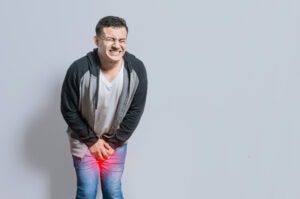
Do hemorrhoids go away on their own? Yes, most mild cases do with proper home care. In this article, you’ll learn the causes, symptoms, and effective remedies to speed up healing. We’ll also cover when to seek medical help for persistent issues.
Key Takeaways
- Most mild hemorrhoids can resolve on their own within a few days with proper care; persistent or severe cases need medical evaluation.
- Common causes of hemorrhoids include constipation, pregnancy, obesity, a sedentary lifestyle, and aging, all of which increase pressure in the rectal area.
- Home remedies like increasing dietary fiber, hydration, warm sitz baths, and cold compresses can effectively manage hemorrhoid symptoms, but medical intervention may be necessary for persistent cases.
Can Hemorrhoids Resolve Without Medical Intervention?
Many people wonder if hemorrhoids can go away on their own. The good news is that most hemorrhoids can improve without medical intervention. Typically, they resolve within a few days. This is achievable with proper care. However, if the symptoms persist for over a week or worsen, it is advisable to consult a healthcare provider to rule out more serious conditions.
Home treatments can be very effective in managing hemorrhoids. However, when these treatments and other treatments fail to provide relief, it’s crucial to seek treatment options for medical treatment assessment, including topical treatments and alternative treatments to treat hemorrhoids. This is especially important to ensure that the symptoms are not indicative of a more severe condition.
In most cases, with the right care, hemorrhoids heal on their own within just a few days.
Types of Hemorrhoids and Their Self-Healing Potential
Hemorrhoids come in two primary forms. These are known as internal and external hemorrhoids. Internal hemorrhoids develop inside the rectum and are covered by a mucosal lining that doesn’t have pain sensitivity, often resulting in painless rectal bleeding. An external hemorrhoid, on the other hand, develops on the outside of the anus and typically manifests as painful, bluish lumps.
- Internal hemorrhoids: Develop inside the rectum, painless but can cause bleeding.
- External hemorrhoids: Develop outside the anus, usually painful and visible.
Both types of hemorrhoids have the potential to heal naturally. However, the symptoms often indicate the need for medical intervention to ensure proper treatment and relief.
Common Causes Leading to Hemorrhoids
Understanding the common causes of hemorrhoids is crucial for prevention and treatment. One of the most common causes is constipation, which leads to increased straining during bowel movements. This straining puts pressure on the veins in the rectal area, causing them to swell and form hemorrhoids.
Pregnancy is another significant factor, as the increased pressure around the rectal area during pregnancy can lead to hemorrhoid formation. Aging also contributes to the development of hemorrhoids due to the weakening of tissues in the rectum and anus, making adults over 50 particularly susceptible.
Causes of Hemorrhoids
Several factors can contribute to the formation of hemorrhoids, primarily involving increased pressure in the lower rectum. Dietary habits, particularly low-fiber diets, play a significant role in the likelihood of developing hemorrhoids. Understanding these causes can help in both prevention and management.
Let’s delve into these factors in more detail.
Diet and Constipation
Low-fiber diets are a major culprit in the development of hemorrhoids. These diets can lead to harder stools, making bowel movements more difficult and increasing the risk of straining. Chronic constipation exacerbates this risk as the constant straining puts immense pressure on the rectum and anus.
Consuming more high-fiber foods helps soften stools and promote regular bowel movements, which can prevent hemorrhoids. Staying hydrated is equally important, as it helps the digestive tract function smoothly and provides more fiber.
Straining During Bowel Movements
Straining during bowel movements significantly increases the risk of developing hemorrhoids. This straining can damage the veins in the anal region, causing them to become swollen and inflamed. Prolonged straining increases the pressure in these blood vessels, promoting the formation of hemorrhoids.
Avoiding straining by keeping stools soft and easy to pass helps mitigate this risk. This can be achieved by increasing fiber intake, staying hydrated, and not spending excessive time on the toilet, which can also influence bowel movement.
Sedentary Lifestyle
A sedentary lifestyle contributes to poor blood circulation, increasing the risk of hemorrhoids. Regular movement is crucial for preventing hemorrhoids, as it helps maintain proper blood flow and reduces the pressure on rectal veins.
Incorporating lifestyle changes like regular exercise can significantly reduce the likelihood of develop hemorrhoids.
Pregnancy
During pregnancy, hormonal changes and the increased pressure from the growing fetus can lead to the formation of hemorrhoids. Pregnant women are at a higher risk due to these factors, making it essential to manage symptoms effectively during this period.
Obesity
Obesity is another significant risk factors for hemorrhoids. Excess weight puts additional strain on the rectal area, contributing to the formation of hemorrhoids. Additionally, obesity is often linked with poor diet and inactivity, both of which are contributing factors.
Aging
As people age, the supporting tissues in the anus and rectum area naturally weaken, increasing the risk of hemorrhoids. Older individuals are more likely to experience hemorrhoids due to the degeneration of these tissues, making it a common issue in the aging population.
Genetics
Genetics also play a role in the development of hemorrhoids. A family history of hemorrhoids can increase an individual’s likelihood of developing this condition. Certain hereditary traits may make some people more susceptible to hemorrhoid issues.
Symptoms of Hemorrhoids
The symptoms of hemorrhoids can vary widely but often include:
- Rectal bleeding
- Pain
- Swelling
- Discharge
Internal hemorrhoids may cause painless rectal bleeding and the potential for prolapsed internal hemorrhoids, while external hemorrhoids can cause severe pain, especially if a blood clot is present. Additionally, bleeding internal hemorrhoids can also be a concern.
Recognizing these symptoms is crucial for early intervention and effective treatment. Let’s explore these symptoms in more detail.
Pain and Discomfort
Hemorrhoids can cause significant pain and discomfort, particularly when sitting or during bowel movements. While internal hemorrhoids may cause little or no pain, large external hemorrhoids can become extremely painful, especially if they thrombose or become swollen and inflamed, leading to mild pain and hemorrhoid pain.
Bleeding
Rectal bleeding is a common symptom of hemorrhoids, often noticeable as bright red blood on toilet paper or in the stool. This bleeding occurs due to the swollen veins in the hemorrhoid tissue and can be a sign of internal or external hemorrhoids.
Itching and Irritation
Itching and irritation around the anus are common symptoms of hemorrhoids, often caused by the inflammation and irritation of the affected tissue. External hemorrhoids, in particular, can cause excessive anal itching, which can be quite uncomfortable.
Swelling and Lumps
Visible lumps around the anus are a typical symptom of external hemorrhoids, resulting from swollen veins inside hemorrhoidal veins. These lumps can be painful and may vary in size, distinguishing them from internal hemorrhoids, which cause swelling inside the rectum.
Mucous Discharge
Mucous discharge is another symptom associated with hemorrhoids. This occurs due to the inflammation in the anal area, which can cause mucus to be produced and discharged around the anus.
This symptom often accompanies other symptoms of prolapsed hemorrhoids.
Incontinence (in severe cases)
In severe cases, hemorrhoids can contribute to incontinence, making it difficult to control bowel movements. This is typically a symptom of advanced hemorrhoid stages and necessitates immediate medical attention.
Do Hemorrhoids Go Away on Their Own?
Many mild hemorrhoids can resolve on their own within a week with conservative care. This self-resolution often involves simple lifestyle adjustments and home remedies that promote healing and prevent further irritation.
However, the duration for which hemorrhoids persist can vary based on the severity and individual health factors. While most mild cases resolve independently, persistent or severe hemorrhoids and recurring hemorrhoids may require medical evaluation and treatment.
Mild Hemorrhoids and Natural Healing
Mild hemorrhoids can often heal naturally with at-home care. Increasing dietary fiber and staying well-hydrated are crucial self-care strategies that can facilitate the healing process. These habits help maintain bowel regularity and prevent constipation, reducing the strain on hemorrhoidal tissue.
Additionally, home remedies such as warm sitz baths, cold compresses, and over-the-counter creams can help alleviate discomfort and promote healing. These simple measures can be highly effective in managing mild hemorrhoids and preventing them from worsening.
Home Remedies for Managing Hemorrhoids
Managing hemorrhoids at home can be effective and straightforward. Increasing water intake helps soften stools and relieve constipation, a critical step in managing hemorrhoids. Warm sitz bath can provide comfort and aid in the healing process, especially when Epsom salt is added to the water.
Cold compresses can help reduce swelling and discomfort. Essential oils like tea tree or coconut oil may provide symptomatic relief to relieve pain. Wearing breathable cotton clothing and avoiding tight clothing can help maintain cleanliness and alleviate symptoms.
These home remedies can significantly alleviate the symptoms and promote the healing of hemorrhoids.
When to Seek Professional Help
While home remedies can be effective, it’s essential to know when to seek professional help. Continuous bleeding from hemorrhoids, especially if accompanied by blood clots, severe pain, or a noticeable bluish lump around the anus, may indicate thrombosed hemorrhoids that require urgent care.
If symptoms persist for over a week despite home treatment, consulting a healthcare provider is advisable.
Medical Treatments for Persistent Hemorrhoids
Persistent hemorrhoids that don’t respond to home treatments may require medical intervention. There are various medical treatments available, ranging from minimally invasive procedures to surgical options.
Rubber band ligation and hemorrhoid banding are effective for treating grade 1 to grade 3 hemorrhoids by cutting off their blood supply, causing them to wither and fall off. Sclerotherapy, which involves injecting a substance to shrink hemorrhoids, typically requires multiple sessions.
For more severe cases, surgical treatments such as hemorrhoidectomy or hemorrhoid stapling may be necessary. Hemorrhoidectomy involves the surgical removal of hemorrhoids and is recommended for grade 3 and grade 4 hemorrhoids that haven’t responded to non-surgical treatments. Post-surgery, patients may experience pain and bleeding, and complications like urinary issues can occur during surgical procedures, including external hemorrhoid thrombectomy.
Preventing Future Hemorrhoids
Preventing future hemorrhoids involves making lifestyle changes to reduce strain during bowel movements. Incorporating a high-fiber diet is essential to soften stools and reduce straining. Staying adequately hydrated by drinking 6-8 glasses of water daily helps fiber work effectively.
Regular exercise, such as walking and yoga, can enhance digestion and help avoid constipation. Using a footrest while on the toilet can help position the body for easier bowel movements. Minimizing time on the toilet and avoiding distractions is recommended for hemorrhoid sufferers. Taking breaks to move around if sitting for long periods can alleviate pressure on rectal veins.
Establishing a consistent bowel routine and practicing proper lifting techniques can also lower the risk of developing hemorrhoids.