

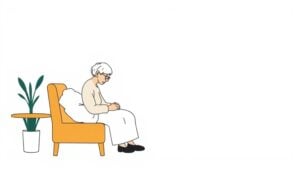
The most common side effects of Eliquis in the elderly include bleeding, feeling sick (nausea), and minor bleeding such as frequent nosebleeds or bleeding from minor cuts. The most common side effect of Eliquis is bleeding, which can range from minor bleeding like nosebleeds, bleeding gums, and easy bruising, to more serious bleeding events.
Bruises may appear more easily due to fragile veins. Some people experience dizziness, especially when standing quickly, as blood pressure shifts. Stomach discomfort, such as diarrhea or feeling sick, can also occur, while fatigue makes daily tasks harder. A mild rash may develop as a mild allergic reaction, but rare rashes or swelling are serious side effects that require immediate medical attention. Each effect reported here has been observed in clinical trials. Eliquis can cause a range of adverse effects, so regular monitoring is important to ensure safety and balance treatment benefits.
Increased Risk of Bleeding
Because Eliquis thins the blood to prevent clots, it can also make bleeding more likely-especially in older adults. Their bodies process medications differently, and age-related changes like thinner skin or weaker blood vessels can increase risks. There is also a risk of serious bleeding, which can be life-threatening. If you experience symptoms of serious bleeding, seek immediate action and contact your healthcare provider right away.
Blood thinning precautions are essential, such as avoiding sharp objects and using a soft toothbrush to reduce gum irritation and bleeding. Even minor falls or cuts may lead to prolonged bleeding. Watch for minor bleeding symptoms like bleeding gums, which can occur while brushing or after minor injuries. Applying an ice pack to minor cuts or bruises can help stop bleeding more quickly.
Medication interactions also play a role-common drugs like aspirin or ibuprofen can worsen bleeding risks. People with bleeding problems or active bleeding should not take Eliquis without medical supervision. Around 10% of elderly patients on blood thinners experience bleeding complications yearly.
If you experience severe bleeding that does not stop, seek immediate medical care. Doctors often adjust doses based on kidney function, as Eliquis is cleared through the kidneys. Taking steps to prevent bleeding, such as avoiding risky activities and following your doctor’s advice, is important while on Eliquis. Staying hydrated and wearing medical alert bracelets helps manage risks.
Open communication with healthcare providers guarantees safer use, balancing clot prevention and bleeding concerns.
Easy Bruising
While Eliquis helps prevent dangerous blood clots, one common side effect in older adults is easy bruising-even from minor bumps or pressure. Thinner blood from the medication makes small blood vessels more prone to breaking, leading to visible marks. About 10% of users report this issue, though most bruises are harmless.
Gentle skin care, like moisturizing and avoiding harsh products, can help strengthen fragile skin. Wearing long sleeves or padded clothing offers bruise prevention during daily activities.
Staying hydrated and eating vitamin-rich foods, like citrus or leafy greens, may also support blood vessel health. If bruises appear frequently or take longer to heal, consulting a doctor guarantees proper management.
Simple adjustments can reduce discomfort while maintaining the benefits of Eliquis.
Dizziness and Lightheadedness
Dizziness and lightheadedness are common side effects of Eliquis in older adults, often caused by lowered blood pressure or dehydration.
These symptoms can make daily activities challenging, increasing the risk of falls or accidents.
Managing them involves staying hydrated, rising slowly, and discussing adjustments with a doctor if needed.
Causes of Dizziness
As people age, taking medications like Eliquis can sometimes lead to dizziness or lightheadedness, which may feel unsettling or even frightening. One common cause is medication interactions, where Eliquis mixes with other drugs, amplifying side effects. For example, blood thinners or blood pressure medications may intensify dizziness when combined.
Another factor is blood pressure changes, as Eliquis can sometimes cause drops in blood pressure, making standing up too quickly risky. Dehydration or low blood sugar can also play a role, especially in older adults who may not drink enough water.
About 10% of Eliquis users report dizziness, though severe cases are rare. Understanding these triggers helps seniors stay aware and take precautions, like moving slowly or staying hydrated, to reduce discomfort.
Managing Lightheadedness
Lightheadedness from Eliquis can often be managed with simple adjustments to daily habits. Staying hydrated is key-sipping water throughout the day helps maintain blood pressure and reduces dizziness. Small dietary adjustments, like eating smaller, balanced meals more frequently, can stabilize energy levels.
Avoiding sudden movements, such as standing up too quickly, also minimizes lightheadedness. About 1 in 10 older adults experience dizziness with blood thinners, but most cases improve with these changes. If symptoms persist, consulting a doctor guarantees no underlying issues exist.
Simple steps like resting after meals or using support when standing can make a difference. Prioritizing hydration tips and mindful eating often eases discomfort, letting seniors stay active safely.
Gastrointestinal Issues
Some elderly patients taking Eliquis may experience gastrointestinal issues, including nausea, vomiting, or abdominal discomfort.
Diarrhea and constipation can also occur, sometimes making daily activities uncomfortable.
These side effects are usually mild but should be monitored if they persist or worsen.
Nausea and Vomiting
Elderly patients taking Eliquis may occasionally experience nausea or vomiting, though these side effects tend to be mild for most. About 5% of users report these symptoms, which often subside as the body adjusts.
Staying hydrated and eating smaller, bland meals can also ease symptoms. If nausea persists or leads to vomiting, medical advice should be sought to rule out serious issues.
While unsettling, these effects are usually temporary and manageable. Patients are encouraged to track their symptoms and share concerns with their healthcare provider for personalized guidance.
Diarrhea and Constipation
Digestive changes like diarrhea or constipation can also occur with Eliquis, though they’re less common than nausea. About 3% of users report these issues, which may stem from the medication’s impact on gut function.
For diarrhea, dietary adjustments like bland foods (bananas, rice) can help, while constipation may improve with fiber-rich options (whole grains, vegetables). Hydration importance can’t be overstated-drinking water eases both problems by supporting digestion.
Seniors should monitor symptoms closely, as dehydration risks rise with age. If issues persist beyond a few days, consulting a doctor guarantees no underlying causes.
Small, frequent meals and avoiding triggers (spicy or fatty foods) may also provide relief. Though uncomfortable, these side effects often resolve as the body adjusts to the medication.
Abdominal Pain and Discomfort
While abdominal pain and discomfort aren’t the most frequent side effects of Eliquis, they can still disrupt daily life for seniors taking the medication. These symptoms may stem from medication interactions or dietary impacts, making it important to monitor changes closely.
- Medication Interactions: Eliquis can react with other drugs, increasing stomach irritation. Seniors should review their medications with a doctor.
- Dietary Impacts: Spicy or acidic foods may worsen discomfort. A balanced diet helps ease symptoms.
- Hydration: Dehydration can intensify abdominal pain. Drinking enough water supports digestion.
- Timing Matters: Taking Eliquis with food may reduce stomach upset. Consistency in dosing helps the body adjust.
About 10% of users report mild gastrointestinal issues, but severe pain is rare. Adjusting habits often brings relief.
Fatigue and Weakness
Taking Eliquis can sometimes lead to fatigue and weakness, which may feel more noticeable in older adults. This side effect can make daily activities harder, especially for those already managing other health concerns.
Sleep disturbances may worsen fatigue, leaving seniors feeling drained even after rest. Cognitive decline, common in aging, might also amplify these feelings, making it harder to stay alert.
About 10% of Eliquis users report fatigue, though severe cases are rare. Staying hydrated, light exercise, and balanced meals can help manage these symptoms.
If fatigue persists or interferes with daily life, consulting a doctor is wise. Adjusting the dosage or exploring alternatives might provide relief while still protecting against blood clots.
Rest and pacing activities can also ease the burden.
Headaches
Because Eliquis affects blood flow, some elderly users may experience headaches as a side effect. These headaches can range from mild to severe and may be triggered by changes in circulation or medication adjustments. Understanding headache triggers and remedies can help manage this discomfort.
- Dehydration: Low fluid intake worsens headaches. Drinking water regularly may ease symptoms.
- Stress: Tension can amplify headaches. Relaxation techniques like deep breathing may help.
- Caffeine: Sudden changes in caffeine intake can trigger headaches. Gradual adjustments are recommended.
- Sleep Patterns: Irregular sleep may contribute. Maintaining a consistent schedule can reduce frequency.
Over-the-counter pain relievers might help, but consulting a doctor guarantees safety.
About 15% of Eliquis users report headaches, though most are temporary. Staying hydrated and resting often provides relief. If headaches persist, medical advice is vital.
Allergic Reactions
Although rare, allergic reactions to Eliquis can occur in elderly patients, requiring immediate attention. These reactions may include skin rashes, swelling of the lips, or trouble breathing, which can signal a severe allergic reaction or serious allergic reaction. Trouble breathing is a warning sign of a medical emergency.
About 1% of users experience mild skin irritation, while severe cases are far less common. If itching or hives appear, stopping the medication and consulting a doctor is vital.
Swelling around the face or throat, or trouble breathing, could indicate a life-threatening condition and a severe allergic reaction, demanding immediate medical care. These symptoms are considered a medical emergency and require urgent medical attention. Elderly individuals, with weaker immune systems, may react more intensely.
Monitoring for unusual symptoms helps catch problems early. Family members should stay alert to sudden changes, as seniors might downplay discomfort.
Quick action can prevent complications, ensuring safety while using Eliquis. Always report allergies to healthcare providers before starting treatment.

