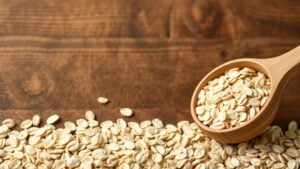
Rolled oats pack a solid fiber punch, offering around 4 grams per half-cup serving-enough to kickstart digestion and keep hunger at bay. This fiber comes in two forms: soluble, which helps manage cholesterol and blood sugar, and insoluble, which keeps things moving smoothly. While cooking doesn’t strip away these benefits, the type of oats matters-steel-cut and old-fashioned varieties differ slightly in texture but deliver similar fiber perks. For anyone looking to boost their daily intake, rolled oats make an easy, versatile choice. But how do they stack up against other high-fiber foods, and what’s the best way to incorporate them? The answers may/could surprise you.
Nutritional Profile of Rolled Oats
Rolled oats pack a solid nutritional punch, making them a go-to choice for anyone looking to boost their diet. Their nutrient richness stands out, offering a bountiful mix of vitamins, minerals, and plant-based protein. A single serving delivers manganese, phosphorus, and magnesium, which support energy and bone health.
Remarkably, oats boast antioxidant properties thanks to compounds like avenanthramides, which can help reduce inflammation. These antioxidants, combined with a steady release of energy from complex carbs, make oats a smart pick for sustained vitality. Unlike refined grains, they retain their outer bran layer, preserving fiber and nutrients. Whether eaten as oatmeal or added to baked goods, their versatility and health perks make them a pantry staple. For the best benefits, choose whole, minimally processed varieties.
Types of Fiber Found in Rolled Oats
Rolled oats contain both soluble and insoluble fiber, each offering distinct health benefits. Soluble fiber forms a gel-like substance in the gut, aiding digestion and stabilizing blood sugar levels.
Insoluble fiber adds bulk to stool, promoting regularity and supporting gut health.
Soluble Fiber Content
A significant portion of the fiber in rolled oats comes from soluble fiber, which dissolves in water to form a gel-like substance in the digestive tract. This type of fiber slows digestion, aiding in soluble fiber absorption and helping regulate blood sugar levels.
Soluble fiber benefits also include lowering LDL cholesterol by binding to bile acids and promoting heart health. It supports gut bacteria, contributing to a healthier microbiome and improved digestion. Unlike insoluble fiber, soluble fiber softens stools, making it gentle on sensitive stomachs.
For those managing diabetes, the slow-release energy from oats helps prevent spikes in blood glucose. Including rolled oats in meals provides these advantages without overwhelming the digestive system. This makes them a versatile choice for boosting fiber intake while maintaining comfort and balance.
Insoluble Fiber Benefits
Though soluble fiber attracts the bulk of the attention, rolled oats also deliver a punch with insoluble fiber, which fulfills a different but equally crucial role in digestion. The insoluble fiber content in oats adds bulk to stool, helping food move effortlessly through the digestive tract. This can prevent constipation and support regular bowel movements, a key aspect of insoluble fiber significance.
Unlike soluble fiber, which dissolves in water, insoluble fiber remains intact, acting like a natural scrub brush for the intestines. It could also reduce the risk of diverticular disease by keeping the digestive system clean. Incorporating oats in meals guarantees a balanced intake of both fiber types, promoting overall gut health. For those grappling with sluggish digestion, this sturdy fiber can make a noticeable difference.
Fiber Digestion Process
Oats contain both soluble and insoluble fiber, each playing a distinct role in digestion. Soluble fiber, like beta-glucan, forms a gel-like substance, slowing digestion rate and stabilizing blood sugar. Insoluble fiber adds bulk, speeding up waste movement. Both types nourish the gut microbiome, promoting healthy bacteria growth.
- Soluble Fiber: Dissolves in water, creating a gel that delays stomach emptying.
- Insoluble Fiber: Doesn’t dissolve, helping food pass quickly through the intestines.
- Digestion Rate: Soluble fiber slows it; insoluble fiber accelerates it.
- Gut Microbiome: Both fibers feed beneficial bacteria, improving overall gut health.
The balance of these fibers in oats supports efficient digestion, reduces bloating, and augments nutrient absorption. Comprehending this process helps tailor oat consumption for individual digestive needs.
Fiber Content per Serving of Rolled Oats
Because many people rely on rolled oats for their nutritional benefits, comprehension of the fiber content per serving helps make informed dietary choices. Rolled oats typically contain about 4 grams of fiber per 1/2-cup (40-gram) serving, which is roughly 1 gram of fiber per ounce. The fiber amount per ounce remains consistent across most standard brands, though slight variations can occur.
This soluble fiber, primarily beta-glucan, supports heart health and digestion. Including rolled oats in meals can contribute significantly to daily fiber intake, especially when paired with fruits or nuts. For those tracking macros, measuring portions assures accurate fiber intake. Since fiber aids satiety, it helps manage hunger and blood sugar levels. Choosing plain, unprocessed rolled oats maximizes benefits without added sugars or unnecessary ingredients.
Comparing Rolled Oats to Other Oat Varieties
Rolled oats differ from other oat varieties in both nutritional content and processing methods.
Steel-cut oats retain more fiber due to minimal processing, while instant oats often lose some nutrients during manufacturing.
The way oats are prepared affects their texture, cooking time, and overall health benefits.
Nutritional Content Differences
As comparing different types of oats, the fiber content can vary slightly depending on how they’re processed. Rolled oats, steel-cut oats, and instant oats differ in nutrient density and glycemic index, affecting their health benefits.
Here’s how they stack up:
- Rolled Oats – Contain about 4 grams of fiber per ½ cup (dry), with moderate glycemic impact due to partial processing.
- Steel-Cut Oats – Higher fiber (5 grams per ½ cup) and lower glycemic index, as they’re less processed.
- Instant Oats – Lower fiber (3 grams) and higher glycemic index, making them less suitable for blood sugar control.
- Oat Bran – Highest fiber (6 grams) and nutrient density, ideal for digestion and satiety.
Choosing the right type depends on individual health goals, balancing fiber intake and glycemic response.
Processing Methods Impact
The way oats are processed plays a big role in their texture, cooking time, and nutritional value. Rolled oats undergo steaming and flattening, which softens them for quicker cooking but retains most of their fiber.
Steel-cut oats, however, are chopped, not rolled, keeping more texture and a nuttier flavor. Industrial processing for instant oats removes some bran, reducing fiber content. Less processing means more nutrients stay intact, so steel-cut and rolled oats often pack more fiber than instant varieties.
The key is balance-rolled oats offer convenience without sacrificing too much nutrition. For those prioritizing fiber, minimally processed options like steel-cut or thick-rolled oats are better. Appreciation of processing methods helps choose the right oat variety for health goals.
Soluble vs. Insoluble Fiber in Rolled Oats
A bowl of rolled oats packs both types of dietary fiber-soluble and insoluble-each playing a unique role in digestion and overall health. Soluble fiber absorbs water, forming a gel-like substance that slows digestion, aiding nutrient absorption and stabilizing blood sugar. Insoluble fiber resists fermentation, adding bulk to stool and promoting regular bowel movements.
Soluble Fiber: Found in oat beta-glucans, it supports heart health by binding to cholesterol.
Insoluble Fiber: Adds roughage, preventing constipation by speeding up waste transit.
Combined Benefits: Together, they balance gut function and support microbiome diversity.
Daily Intake: Rolled oats provide ~4g fiber per serving, contributing to the recommended 25–38g daily.
Understanding these fibers helps tailor oat consumption to individual digestive needs.
Health Benefits of Fiber in Rolled Oats
Rolled oats offer more than just digestive support-their fiber content fuels a range of health benefits beyond gut function. The soluble fiber, beta-glucan, binds to cholesterol in the digestive tract, aiding in cholesterol reduction. This can lower the risk of heart disease over time. Fiber also stabilizes blood sugar by slowing digestion, preventing spikes. For gut health, it acts as a prebiotic, feeding beneficial bacteria and promoting a balanced microbiome.
| Benefit | How It Works |
|---|---|
| Cholesterol Reduction | Binds to bile acids, removing excess cholesterol |
| Blood Sugar Control | Slows glucose absorption |
| Gut Health Support | Feeds good bacteria |
These perks make rolled oats a simple yet powerful addition to meals.
How Fiber in Rolled Oats Supports Digestion
Ever ponder why rolled oats leave you feeling full and satisfied long after breakfast? The answer lies in their fiber content, which supports digestion in several ways.
- Regularity Promotion: The insoluble fiber in oats adds bulk to stool, easing movement through the digestive tract.
- Gut Health Maintenance: Soluble fiber, like beta-glucan, feeds beneficial gut bacteria, fostering a balanced microbiome.
- Slow Digestion: Fiber slows the breakdown of food, stabilizing blood sugar and prolonging fullness.
- Reduced Bloating: By preventing constipation, fiber minimizes discomfort and promotes smoother digestion.
Rolled oats’ fiber acts like a gentle broom, sweeping the digestive system clean while nourishing it. This dual action-supporting regularity and gut health-makes them a reliable choice for digestive comfort. For those seeking steady energy and a happy gut, oats deliver without harsh side effects.
Impact of Cooking on Fiber Content in Rolled Oats
Cooking rolled oats alters their texture and flavor, but many question whether heat impacts their fiber content. The positive news is that fiber remains largely stable during cooking. Unlike vitamins, which can decompose with heat, the structural fibers in oats hold up well under most cooking methods.
However, cooking time matters-extended boiling may soften fiber but won’t eradicate it. Steaming or quick stovetop methods preserve fiber better than prolonged simmering. Water absorption during cooking can make oats bulkier, but the fiber content per serving stays the same.
For those prioritizing fiber, choosing minimal-cook options like overnight oats guarantees maximum retention. While texture shifts, the health benefits of fiber in rolled oats remain dependable, no matter how they’re prepared.
Incorporating Rolled Oats Into a High-Fiber Diet
Rolled oats can be a simple yet powerful addition to meals for those aiming to boost fiber intake. Pairing them with fruits, nuts, or seeds creates balanced, fiber-rich dishes that support digestion.
Comprehending daily fiber needs helps in planning portions and combinations effectively.
Fiber-Rich Meal Ideas
- Overnight Oats: Mix rolled oats with chia seeds, Greek yogurt, and berries for a no-cook, high-fiber morning meal.
- Oatmeal Smoothies: Blend oats with spinach, banana, and almond milk for a quick, nutrient-packed drink.
- Energy Balls: Combine oats, peanut butter, and flaxseeds for a portable, fiber-filled snack.
- Savory Oat Bowls: Top cooked oats with roasted vegetables, avocado, and a sprinkle of nuts for a hearty lunch.
These options make it easy to enjoy oats’ benefits without monotony. The next step is learning how to pair them wisely for even better results.
Combining Oats Wisely
Getting the most out of rolled oats means pairing them with other high-fiber foods to boost digestion and keep energy steady. Smart oat combinations heighten their natural benefits, making meals more satisfying and nutritious. For example, adding chia seeds or flaxseeds increases fiber, while berries or apples provide soluble fiber for gut health. Oat preparation methods also matter-soaking or cooking oats can improve digestibility without losing fiber.
| Oat Combinations | Fiber Boost |
|---|---|
| Oats + Chia Seeds | Extra omega-3s & fiber |
| Oats + Berries | Soluble fiber & antioxidants |
| Oats + Almond Butter | Healthy fats & protein |
| Oats + Flaxseeds | Lignans & extra fiber |
| Oats + Banana | Potassium & resistant starch |
Mixing oats with nuts, seeds, or fruits creates balanced, fiber-rich meals. Simple tweaks like these maximize nutrition without extra effort.
Daily Fiber Goals
How can rolled oats help someone meet their daily fiber needs? Rolled oats are a fiber-rich food, offering both soluble and insoluble fiber to support digestion and overall health. For those tracking their fiber intake needs, oats provide a steady source of fiber with moderate fiber absorption rates, embedding sustained benefits.
A ½-cup serving of dry rolled oats delivers about 4 grams of fiber, roughly 14% of the daily recommended intake.
Oats can be paired with fruits, nuts, or seeds to boost fiber further.
The soluble fiber in oats forms a gel-like substance, slowing digestion and promoting gut health.
Weaving oats into breakfast or snacks embeds consistent fiber intake throughout the day.
Recommended Daily Fiber Intake and Rolled Oats
Dietitians emphasize fiber as a daily essential, and rolled oats make it easy to meet those goals. Fiber recommendations suggest adults aim for 25–38 grams daily, with oats offering about 4 grams per half-cup serving. This makes them a simple way to start the day while packing in oat fiber benefits like supporting digestion and heart health.
Including rolled oats in meals helps bridge the gap for those struggling to hit their daily intake. Their soluble fiber slows digestion, keeping energy steady and hunger at bay. For anyone unsure how to boost fiber, a bowl of oats is a reliable choice. Pairing them with fruits or nuts adds even more fiber, making it effortless to stay on track without overthinking it.
Common Myths About Fiber in Rolled Oats
Many people assume rolled oats are just a basic breakfast choice with little impact, but misconceptions about their fiber content can lead to missed health benefits.
Here are four common fiber content misunderstandings:
- All oats have the same fiber – Rolled oats retain more fiber than instant varieties due to minimal processing.
- Cooking destroys fiber – Heat doesn’t reduce fiber; it softens oats, making them easier to digest.
- More fiber means bloating – While sudden increases can cause discomfort, gradual intake helps the gut accommodate.
- Only soluble fiber matters – Rolled oats contain both soluble and insoluble fiber, supporting digestion and heart health.
Dispelling these common fiber misconceptions allows people to maximize oats’ nutritional value without unnecessary worries. Small adjustments in perception can lead to better dietary choices.
Conclusion
With 4 grams of fiber per half-cup serving, rolled oats pack a powerful nutritional punch. Research shows that regularly eating oats can lower LDL cholesterol by 5-10% in just six weeks, thanks to their soluble fiber content. Adding them to your diet is an easy way to support digestion and heart health while keeping you full longer. This simple grain proves that small changes can make a big difference in overall wellness.