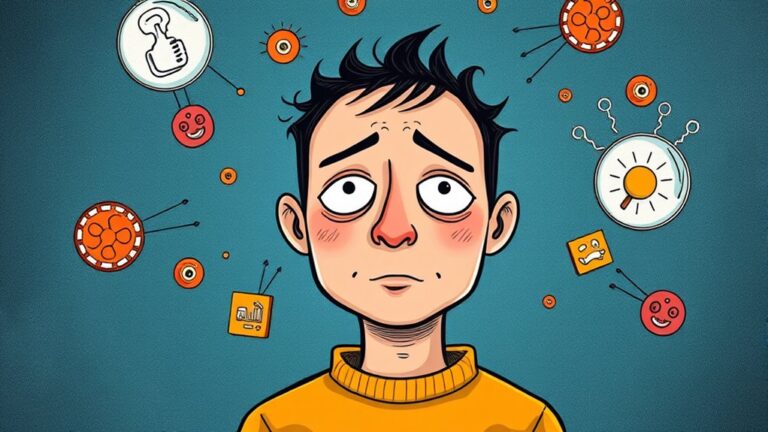
Noticing small shapes or spots in your vision? You’re likely dealing with eye floaters. While common and generally harmless, they can disrupt your view. In this article, we’ll explore how to reduce floaters in eyes naturally through diet, exercises, and lifestyle changes.
Key Takeaways
- Eye floaters are often linked to aging and changes in the vitreous gel, and while they usually don’t require treatment, understanding their causes is key.
- Natural remedies like diet improvements, hydration, eye exercises, and reducing eye strain can help manage and potentially reduce the occurrence of floaters.
- Always seek medical help if you notice a sudden increase in floaters, especially if accompanied by flashes of light or changes in vision, as these could indicate serious conditions.
Eye Floaters
Eye floaters, also known as myodesopsias, appear as shapes or dots in your vision, often manifesting as squiggly lines or dark spots. They are caused by changes in the vitreous gel inside the eye, including the liquefaction and contraction of the vitreous humor due to aging. Most floaters may naturally diminish or move out of your line of sight, and while they are usually harmless, treatment is rarely required.
Individuals over the age of 50 and those who are nearsighted are at an increased risk for developing eye floaters. Knowing what causes floaters and how they manifest is crucial for effective management.
Common Causes of Eye Floaters
The formation of eye floaters can be attributed to several factors. Age-related changes in the vitreous humor are the most common cause, but there are other contributing factors as well. Identifying these causes can assist in preventing and managing floaters more efficiently.
The specific causes of eye floaters include aging, vitreous changes, eye injuries, trauma, inflammation, infections, and underlying health conditions. Each of these factors plays a significant role in the development of floaters, and understanding them can help you support your overall eye health.
1. Aging and Vitreous Changes
As we age, the vitreous humor, which is the gel-like substance inside the eye, undergoes significant changes. It shrinks and becomes stringy, causing collagen fibers to clump together and cast shadows on the retina, which we perceive as floaters. This transformation from a solid to a more liquid state increases the likelihood of floaters.
Additionally, the vitreous can pull away from the retina, a condition known as posterior vitreous detachment, leading to more symptomatic vitreous floaters as it separates. Recognizing these age-related changes can aid in managing and potentially preventing floaters.
2. Eye Injuries and Trauma
Blunt force or penetrating injuries can disturb the vitreous, leading to the formation of floaters. Post-surgical complications, such as those following cataract surgery, may also contribute to the development of floaters. Injuries can cause bleeding or inflammation within the eye, which can introduce debris into the vitreous and result in floaters.
Protecting your eyes from trauma and seeking medical attention for injuries is crucial.
3. Inflammation and Infections
Inflammatory conditions such as uveitis can introduce debris into the vitreous, contributing to floaters. Infections like endophthalmitis, though rare, can lead to sudden floaters and require immediate medical attention. Promptly addressing inflammation and infections can prevent these problems.
4. Underlying Health Conditions
Certain health conditions like diabetes can cause bleeding in the vitreous, leading to the appearance of floaters. High blood pressure may also result in retinal changes that contribute to floaters.
Retinal tears or detachments are often signaled by sudden floaters and flashes of light, indicating a serious condition that requires immediate medical intervention. Conditions like diabetic retinopathy can cause blood vessel damage, resulting in floaters within the eye. Being aware of these health conditions allows for necessary precautions and timely medical consultation, especially regarding retinal tear risks.
Natural Ways to Reduce Eye Floaters
A nutritious diet combined with good eye care is vital for managing eye floaters. A holistic approach that combines diet, hydration, and lifestyle changes can significantly aid in reducing the occurrence of eye floaters.
Specific natural methods to reduce eye floaters naturally include diet improvement, hydration, eye exercises, and reducing eye strain. These natural treatments support overall eye health and minimize the impact of floaters.
1. Improve Your Diet for Eye Health
Eating a balanced diet rich in antioxidants, omega-3 fatty acids, and leafy greens can support eye health and potentially reduce eye floaters. Foods like spinach, kale, and eggs are particularly beneficial due to their lutein content.
Incorporating citrus fruits and orange-colored vegetables, which are high in vitamin A, can also enhance overall eye health. A balanced diet is crucial for healthy vision and preventing floaters.
2. Stay Hydrated
Staying hydrated flushes out toxins and supports eye health. Adequate water intake can reduce the visibility of floaters caused by dehydration.
3. Perform Eye Exercises
Eye exercises like the palming method, where you cover your eyes with your palms to relax them, can help reduce eye strain and improve circulation. Focus shifting techniques, which involve alternating focus between near and far objects, can also strengthen eye muscles.
Regular eye exercises may strengthen eye muscles and improve focus, potentially reducing floaters. These exercises are simple and effective for eye health.
4. Reduce Eye Strain and Practice Eye Care
Limiting screen time and taking regular breaks can significantly reduce eye strain. Following the 20-20-20 rule, where you look at something 20 feet away for 20 seconds every 20 minutes, can help prevent eye strain.
Proper lighting when reading or working minimizes eye fatigue. Proper lighting during activities enhances eye comfort and reduces floaters.
5. Herbal and Natural Supplements
Natural supplements like bilberry extract, which supports retinal health, and ginkgo biloba, which improves blood circulation to the eyes, can be beneficial. Turmeric, with its anti-inflammatory properties, can also support eye health.
6. Detox and Liver Support
Liver health is closely linked to eye health, and supporting liver function through detoxifying foods like lemon water, beets, and green tea can positively influence eye health.
7. Manage Stress and Improve Sleep
Stress can negatively affect vision, so practicing relaxation techniques such as yoga, meditation, and deep breathing is essential.
Getting quality sleep allows your eyes to recover and promotes overall eye health.
8. Protect Your Eyes from Environmental Damage
Wearing sunglasses to block harmful UV rays is crucial for protecting your eyes from sun exposure. Reducing exposure to air pollution and smoke can also help protect your eyes from environmental damage.
UV-blocking sunglasses protect your eyes from harmful rays and ease floaters’ discomfort in bright conditions. Taking these precautions can go a long way in maintaining your eye health.
9. Diet and Nutrition for Eye Health
A balanced diet rich in essential nutrients supports eye health and may reduce floaters. Vitamins A, C, E, and omega-3 fatty acids are critical for supporting eye function and may help in minimizing floaters.
Foods such as carrots and sweet potatoes are rich in vitamin A, while berries and leafy greens provide antioxidants and anti-inflammatory properties.
10. Essential Vitamins and Minerals
Zinc is essential for maintaining retinal health and protecting against light damage. Zinc is crucial for maintaining the health of the retina and may help prevent age-related macular degeneration.
Supplements like zinc, omega-3 fatty acids, and vitamins A, C, and E can promote overall eye health but may not specifically target floaters.
11. Anti-inflammatory Foods
Foods that are known to have anti-inflammatory properties include ginger and turmeric. Ginger has anti-inflammatory benefits that may assist in decreasing ocular inflammation, while turmeric contains curcumin, which is also recognized for its anti-inflammatory effects.
Adding ginger and turmeric to your diet can support eye health and potentially reduce floaters.
Eye Exercises and Relaxation Techniques
Incorporating eye exercises can enhance eye focus and relaxation. Eye exercises can enhance muscle strength around the eyes. Adequate rest and stress reduction might help reduce the visibility of floaters. If a floater is bothersome, moving your eyes quickly in different directions may provide relief.
Eye exercises aim to improve blood circulation in the eyes.
Palming
Palming covers the eyes with the palms to promote relaxation and reduce stress. This technique can alleviate eye fatigue and stress, promoting relaxation of the eye muscles.
Focusing Exercises
Focusing exercises can improve the flexibility of the eye muscles and enhance depth perception. These exercises strengthen eye muscles and improve visual focus by shifting gaze between near and distant objects.
Regular Breaks
Regular breaks from screens are important for eye health. Naturopaths and optometrists recommend taking regular breaks from screens to protect vision.
Eye strain from screens can significantly impact the visibility of eye floaters.
Lifestyle Changes for Better Eye Health
A heart-healthy diet with fruits, vegetables, and whole grains benefits eye health. A diet high in antioxidants prevents oxidative stress and benefits eye health. Stress management through yoga and meditation can positively affect eye health and reduce floaters.
Taking regular breaks from screens helps maintain eye comfort and reduce floaters. Reducing alcohol and quitting smoking can mitigate the development of floaters. Adequate sleep each night is crucial for eye recovery and may decrease floaters. Taking frequent breaks during screen time improves visual comfort and reduces floaters.
Environmental Adjustments
Bright indoor lights can make floaters more noticeable. Lamps can diffuse light more effectively than overhead lighting. Dimming bright indoor lights or using lamps can help reduce the visibility of floaters.
It is advisable to wear sunglasses in bright outdoor conditions.
Natural Remedies and Home Treatments
Hyaluronic acid eye drops may help reduce inflammation after eye surgery, and some believe they can aid in dissolving floaters, although scientific backing is limited. Medical professionals do not approve natural treatments for floaters. Exercise caution when considering natural treatments.
Natural at-home treatments do not completely eliminate floaters.
When to Seek Medical Advice
Seek medical attention for any sudden increase in floaters, as this may indicate serious conditions like retinal tears or detachments. Immediate medical help is needed if you experience flashes of light with floaters or if floaters obscure your vision.
Regular eye exams are vital, especially for persistent or changing floaters. Contact your eye care provider if existing floaters worsen or if new ones suddenly appear.
When to See a Doctor
Regular eye check-ups are crucial, especially if new floaters or flashes of light appear. Contact an eye specialist immediately for a sudden increase in floaters, especially with flashes of light or vision loss.
Warning Signs of Serious Eye Conditions
A sudden increase in floaters combined with flashes of light can indicate serious issues requiring immediate medical attention. A shadow or dark curtain in your vision may signal a retinal problem. Loss of peripheral vision may indicate a critical eye emergency.
A gray curtain or shadow moving across your vision is a critical warning sign.
Normal vs. Dangerous Floaters
Normal floaters are those that remain consistent and do not interfere with your vision. New floaters that appear suddenly, particularly if they are accompanied by pain or vision changes, are considered dangerous. Constant floaters that do not obstruct vision are typically harmless.
Newly developed floaters accompanied by discomfort or vision changes should be considered a medical emergency.
Summary
Throughout this guide, we’ve explored what eye floaters are, their common causes, and a variety of natural methods to reduce them. From improving your diet and staying hydrated to performing eye exercises and making environmental adjustments, there are many ways to manage and potentially reduce the visibility of floaters. Remember, maintaining a balanced diet rich in essential vitamins and minerals, staying properly hydrated, and taking regular breaks from screen time are key steps in supporting your eye health and minimizing floaters.
While natural methods can be effective, it’s important to seek medical advice if you experience any sudden changes in your vision or if floaters become severe. Regular eye check-ups and being aware of the warning signs of serious eye conditions can help ensure your eye health remains in check.
Frequently Asked Questions
What are eye floaters?
Eye floaters are those annoying squiggly lines or dark spots you see in your vision, caused by changes in the gel-like substance in your eye. They’re pretty common and usually nothing to worry about!
Can diet changes help reduce eye floaters?
Absolutely! A diet full of antioxidants, omega-3 fatty acids, and leafy greens can really help promote eye health and might even reduce those pesky floaters.
What should I do if I notice a sudden increase in eye floaters?
You should definitely get checked out by a doctor right away if you notice a sudden spike in eye floaters, especially if you see flashes of light or have any vision changes, since it could be something serious like a retinal tear.
Are there natural supplements that can help with eye floaters?
Yes, natural supplements like bilberry extract, ginkgo biloba, and turmeric can support overall eye health, but they’re not guaranteed to eliminate floaters. It’s always a good idea to check with a healthcare professional before starting any new supplement.
How can I prevent eye strain?
To keep eye strain at bay, just remember the 20-20-20 rule: every 20 minutes, look at something 20 feet away for 20 seconds. Plus, make sure your lighting is good and take breaks to give your eyes a rest!