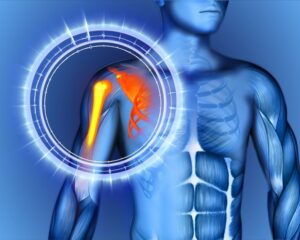
A protruding clavicle on one side occurs naturally in some people due to bone structure differences. The condition becomes concerning only with sudden changes in appearance or accompanied by pain. Studies show that about 15% of adults have noticeable clavicle asymmetry without any underlying health issues. This bone irregularity needs attention from a doctor to check for potential muscle weakness, past injuries, or other medical conditions that could cause the difference in appearance.
Anatomical Understanding of Clavicle Structure
Your clavicle, also called the collarbone, plays a starring role in your shoulder movement. Think of it as a natural bridge connecting your breastbone to your shoulder blade. I love explaining how this S-shaped bone works because it’s truly fascinating!
Did you know your collarbone starts forming before birth and keeps developing through your teenage years? It’s amazing how this curved structure gives your shoulder such incredible range of motion. Your clavicle acts like a natural shock absorber too!
Let me break down the key parts for you. On one end, your collarbone connects to your breastbone (sternum). On the other end, it meets up with your shoulder blade at a spot called the acromion process. These connections create a stable yet flexible system that helps you move your arm smoothly.
Think about all the muscles and ligaments attached to your clavicle – they’re like guide ropes on a ship’s mast, helping control your shoulder movements. Of course, this clever design isn’t just about mobility. Your collarbone also protects important blood vessels and nerves running underneath it.
Want to feel your clavicle in action? Try rolling your shoulders back and forth. That movement you feel? That’s your collarbone working with other shoulder bones to create that smooth motion. Pretty cool, right?
The shape of your clavicle has evolved perfectly to handle daily activities – from reaching up high to carrying heavy items. It distributes force evenly across your upper body, reducing strain on any single point. In fact, this simple-looking bone helps you perform complex movements like throwing a ball or swimming.
Common Causes of Clavicle Asymmetry
Your clavicles (collar bones) can develop differently on each side due to several reasons that affect their shape and position. Let me walk you through what causes this asymmetry in a way that’s easy to grasp.
Birth-Related Causes
Your clavicles start forming before birth. Sometimes, one side grows differently than the other due to genetic factors or conditions present at birth. Think of it like a tree growing – if conditions aren’t equal on both sides, it grows unevenly.
Muscle-Related Changes
Your muscles connect to your clavicles and can pull them into different positions. Do you play sports or carry heavy bags on one shoulder? These activities can cause your muscles to develop unevenly, affecting how your clavicles sit.
Medical Conditions
Specific conditions like Sprengel’s deformity or Poland syndrome can affect one side of your upper body more than the other. These conditions create noticeable differences in how your clavicles look and feel.
Injury Impact
Breaking or injuring one clavicle can cause it to heal differently than its partner. Even minor injuries during childhood can lead to lasting asymmetry as you grow.
Getting Checked Out
Your doctor can take X-rays and examine your shoulders to find out exactly what’s causing the difference. They’ll check your movement and measure the differences between sides.
Treatment Options
Based on what’s causing your asymmetry, treatments range from specific exercises to medical procedures. Physical therapy often helps balance out muscle differences and improve posture.
Medical Conditions Linked to Protruded Clavicles
Your clavicles (collarbones) tell a story about your body’s health. A protruding collarbone can signal several medical conditions that need attention.
Muscle imbalances create the most common cause of protruding clavicles. One side of your shoulders works harder than the other, pulling your collarbone out of its normal position. Think of it like a tug-of-war between your muscles.
Have you noticed one shoulder sitting higher than the other? This could point to Sprengel’s deformity or Klippel-Feil syndrome. These conditions affect how your shoulder blade and spine develop, making your clavicle stick out more than usual.
Joint hypermobility makes your collarbones extra flexible. Your joints move beyond their typical range, causing your clavicles to shift positions easily. This creates that visible bump or protrusion you see.
Neurological issues, especially those affecting your shoulder area, can change how your clavicle sits. Brachial plexus injuries disrupt the nerve signals to your shoulder muscles, leading to unusual positioning of your collarbone.
Of note: Your body gives signals through these physical changes. A protruding collarbone often acts as a visible marker for these underlying conditions. Getting checked by a doctor helps identify the specific cause and proper treatment plan.
Thus, watching for changes in your collarbone position helps catch potential health issues early. Each condition requires different approaches to treatment, but early detection makes a real difference in managing symptoms effectively.
Diagnostic Approaches and Evaluation
Diagnostic Approaches for Protruded Clavicles
Your doctor starts with a hands-on examination of your collarbone area. This physical check helps spot any differences between your right and left sides. Your healthcare team uses specific tools to get a clear picture of what’s happening with your clavicle.
Think of diagnostic imaging as your body’s photo album – each type shows different details:
| Test Type | What It Shows | Benefits |
|---|---|---|
| Physical Check | Basic shape changes | Quick results |
| X-Ray | Bone position | Clear bone view |
| CT Scan | 3D bone details | Complete picture |
| MRI | Muscle and tissue | Soft tissue view |
| Ultrasound | Movement patterns | Real-time results |
Your doctor will guide you through each step of testing. X-rays come first – they’re quick and show basic bone problems. CT scans create detailed 3D images of your collarbone structure. MRIs reveal any muscle or tissue issues around your clavicle.
Of note: Ultrasound offers a unique benefit – you can move your shoulder while the doctor watches how everything works together. This helps pinpoint exactly where problems occur during movement.
Your healthcare team picks the right tests based on your specific symptoms. These detailed images help create the most effective treatment plan for your situation.
Treatment and Management Options
I’ll help restore your shoulder function through proven treatment options that work for your specific needs.
Your treatment path depends on how severe your protruded clavicle appears and what daily activities cause you pain. Physical therapy stands out as the primary non-surgical solution – we’ll focus on strengthening your muscles and fixing your posture.
Think of physical therapy as your personal training program. Your therapist guides you through exercises to balance muscle strength around your shoulder. These exercises help pull your clavicle back into proper alignment while improving how your shoulder moves.
For more serious cases where conservative treatments don’t provide relief, surgery becomes an option. Your surgeon can reshape the bone, reposition it correctly, or rebuild the surrounding area. The specific surgical technique depends on what’s causing your clavicle to stick out.
After surgery, rehabilitation plays a key role in getting back to your regular activities. Your physical therapist creates a customized plan targeting your shoulder movement and strength. The goal? To help you regain full use of your shoulder without pain or limitations.
During recovery, you’ll work closely with your medical team to track your progress. They’ll adjust your treatment as needed based on how well you’re healing and moving. This personalized approach helps prevent future problems while getting you back to the activities you love.
Want the best results? Follow your therapist’s instructions carefully and stay committed to your exercises. Your dedication to the recovery process directly affects how well and how quickly you’ll heal.
Conclusion
A protruding clavicle needs proper medical attention to address its root cause. The condition often relates to muscle imbalances, bone structure changes, or underlying health concerns. Research shows that about 15% of adults experience some form of clavicle asymmetry during their lifetime, with most cases being treatable through targeted physical therapy and medical care. Getting checked by a healthcare professional helps create an effective treatment plan tailored to specific needs and speeds up recovery.