

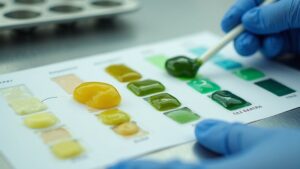
Upon noticing pus, its color can tell you a lot about what’s happening in your body. Yellow pus often means a mild bacterial infection, while green may point to something more serious, like Pseudomonas. Brown or dark shades could signal dead tissue or old blood, and a foul smell hints at anaerobic bacteria. Being aware of these clues helps you understand when to treat it at home or seek medical help. Curious how to spot the differences and act fast? Let’s break it down.
Understanding the Role of Pus in Infections
As your body fights off an infection, it produces pus-a sign your immune system is hard at work. This thick fluid is a mix of dead tissue, bacteria, and white blood cells, showing your body’s fierce immune response.
While pus could seem unpleasant, its presence means your defenses are actively battling invaders. The color and odor can clue you in-strong smells or unusual shades might signal a need for medical attention.
Don’t ignore persistent or worsening pus, as healthcare providers use these details to diagnose and treat infections. Keep in mind, pus isn’t just gross-it’s proof your body’s fighting for you.
Keep an eye on changes and seek help should something feel off. Your health matters.
| Color | Appearance | Possible Indications |
|---|---|---|
| White | Thick, creamy white | Early-stage bacterial infection (e.g., staphylococcus); mild infection |
| Yellow | Thick, pale yellow | Common in bacterial infections; presence of neutrophils |
| Green | Thick, green or greenish-yellow | Pseudomonas aeruginosa infection; often foul-smelling |
| Brown | Thick, brown or tan | Possibly old blood mixed with pus; chronic infection; anaerobic bacteria |
| Red or Pink | Bloody or pink-tinged | Blood mixed with pus; tissue damage or more aggressive infection |
| Clear or Watery | Thin, clear to pale yellow | Serous fluid; early inflammation or viral infection |
| Gray | Dirty gray, thin or thick | Necrotic tissue or anaerobic infection; may indicate serious or spreading infection |
| Black | Very rare, black specks or dark | Possible necrosis, gangrene, or fungal infection (e.g., mucormycosis) – medical emergency |
Common Colors of Pus and Their Implications
You’ll often see white or yellow pus, which usually means your body’s fighting bacteria in infections like abscesses.
Should the pus turn green, it may signal Pseudomonas aeruginosa, a serious infection needing quick treatment.
Brown or reddish pus could mean there’s blood mixed in, hinting at deeper tissue damage or a more complicated infection.
White/Yellow Pus
- Whitish pus often means a mild bacterial infection, with neutrophils (your body’s initial responders) doing their job.
- Yellow pus suggests a more active infection, possibly with thicker fluid as bacteria multiply.
- Foul-smelling yellow pus could hint at anaerobic bacteria, signaling a deeper issue needing medical attention.
If the area feels warm, swollen, or painful, don’t ignore it-your body’s telling you something.
Green/Brown Pus
Green or brown pus isn’t just unusual-it’s a sign your body is fighting something more serious.
Green pus often points to a bacterial infection, like Pseudomonas aeruginosa, which thrives in dirty or moist environments. It can mean enzymes or broken-down blood cells are present, signaling a deeper issue.
Brown pus may mix with dried blood or necrotic tissue, complicating healing. Both colors suggest you need medical intervention, especially in case you have a fever or worsening symptoms.
Don’t wait-these infections often require targeted antibiotic treatment to clear up safely. Should you spot these shades, see a doctor promptly. Your body’s telling you it needs extra help, and ignoring it could delay recovery.
Prompt care makes all the difference.
Factors Influencing Pus Color Variations
As pus changes color, it’s often a clue about what’s happening inside the infection. The pus color you see depends on several factors, from the type of bacteria to how your body’s fighting back.
- Immune cells at work: Yellowish pus usually means neutrophils-your body’s infection fighters-are doing their job. Greenish coloration? That could indicate bacteria like *Pseudomonas* are involved.
- Tissue condition: Brown or dark pus could suggest necrotic tissue, common in chronic wounds where old cells deteriorate. Pink pus suggests blood mixing in, signaling tissue damage.
- Bacterial activity: Foul-smelling pus often hints at a nasty bacterial infection, especially if anaerobic bacteria thrive without oxygen.
The shades tell a story-so pay attention!
Identifying Infection Severity Through Pus Color
Several shades of pus can signal how serious an infection could be-regardless it’s a mild issue or something needing quick care.
Yellow pus often points to a standard bacterial infection, like staph, and while it’s common, it still needs attention.
Green pus hints at a more stubborn infection, possibly from bacteria like Pseudomonas, and you shouldn’t ignore it.
Brown or reddish pus? That’s a red flag-it could mean dead tissue or blood mixing in, signaling a deeper, possibly necrotic issue.
And whenever there’s a foul odor, that’s your cue to seek medical help fast, as it often means anaerobic bacteria are at work.
Paying attention to these clues helps you gauge whenever to treat at home or whenever to call a professional.
Medical Treatments Based on Pus Color Indicators
Upon you notice pus draining from a wound, its color can be your initial clue in deciding the next steps for treatment. The shade often hints at the type of bacteria or severity of the infection, guiding your care plan.
- Yellow pus: Common with *Staphylococcus* infections, it could need drainage and antibiotics. Should it be thick, your doctor might culture it to pinpoint the best treatment.
- Green pus: Often points to *Pseudomonas*, requiring aggressive cleaning and targeted antibiotics to stop the infection from spreading.
- Brown or foul-smelling pus: Suggests anaerobic bacteria or necrotizing tissue, demanding immediate medical evaluation and possible surgical intervention.
Don’t ignore unusual colors-early treatment prevents complications. Always seek professional help should pus changes or the wound worsens.
Preventive Measures to Avoid Pus-Related Infections
At the time a wound heals cleanly without infection, you can avoid the discomfort and risks linked to pus buildup-but it takes proactive care.
Start by keeping wounds clean and covered to reduce infection risks and promote healing. Always wash your hands before touching any injury to prevent introducing bacteria.
Clean and cover wounds to prevent infection-always wash hands before touching injuries to keep bacteria at bay.
Strengthen your body’s immune response with adequate nutrition, like vitamins C and protein, to help fight off germs. In case you have chronic health conditions, like diabetes, manage them carefully-they can slow healing and raise infection chances.
Quit smoking, as it weakens your defenses. Watch for redness, swelling, or unusual discharge, and seek medical intervention promptly should it be needed.
Small steps now keep pus away later.
Conclusion
So next time you spot suspiciously shaded secretion, stay sharp and seek swift solutions. Yellow hints at mild mischief, green signals greater grief, and brown warns of bad breakdowns. Don’t delay-proper pus perception promotes precise protection! Trust your gut at the moment gunk gets grim; prompt attention avoids awful aftermath. Quick care keeps complications in check.

