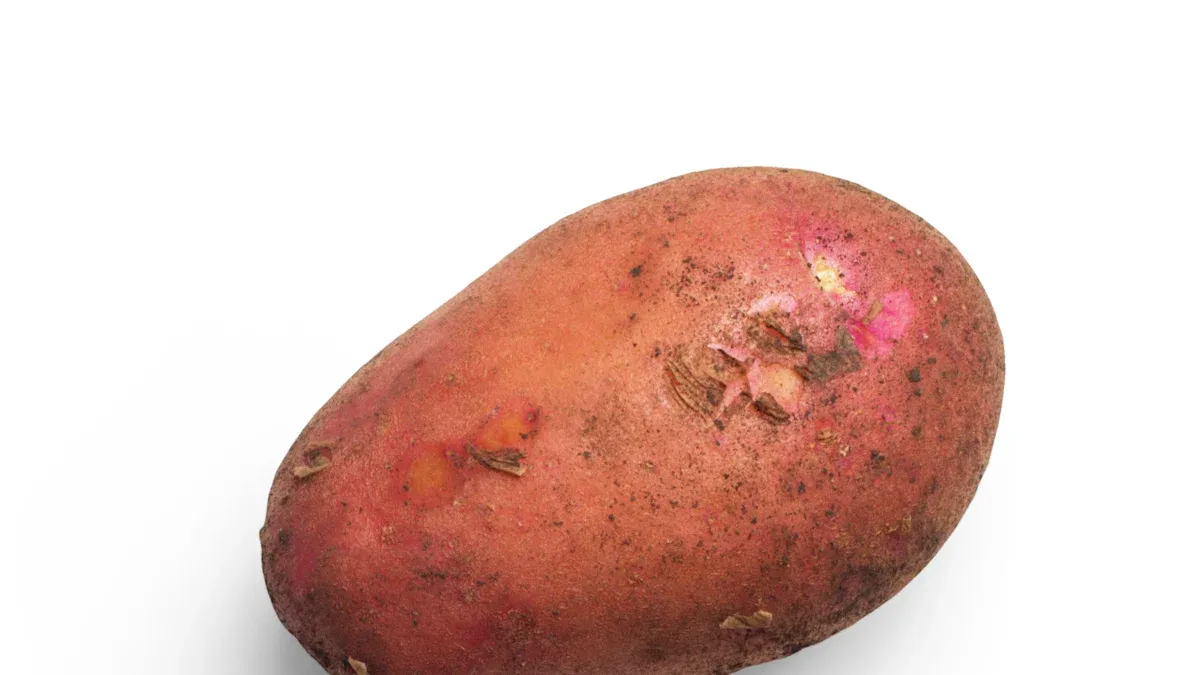
You might underestimate the humble red potato. This versatile and healthy staple offers much more than you realize. Over one billion people globally consume potatoes; roughly 25% of the world’s population relies on this potato as a staple food. You will discover the amazing red potato nutrition, its health advantages, and practical uses. Red potatoes are not just a side dish; they are a valuable part of your well-balanced diet.
Key Takeaways
- Red potatoes are good for you. They have vitamins, minerals, and fiber. They are low in calories and fat.
- Eating red potato skin is healthy. The skin has fiber and antioxidants. These help your body work well.
- Cook red potatoes by steaming, boiling, or baking. These ways keep the nutrients. Avoid frying them.
- Red potatoes can help you feel full. This helps with weight control. They have fiber that makes you feel full longer.
- Red potatoes can help manage blood sugar. Cooling them after cooking makes them better for blood sugar.
Red Potato Nutrition: Key Facts

You might wonder what makes red potatoes so special. This section breaks down the amazing red potato nutrition. You will see that these potatoes offer a lot more than just taste.
Calories and Macronutrients
Red potatoes are a smart choice for your diet. They are naturally low in calories and almost fat-free. A medium red potato, about 173 grams, gives you around 154 calories. It has very little fat and no sodium. This makes them a healthy base for many meals.
Here is a quick look at the nutritional content of potatoes:
| Nutrient | Value (per 173g serving) |
|---|---|
| Calories | 154 |
| Fats | 0.3g |
| Carbs | 34g |
| Protein | 4g |
You can also see the breakdown for a slightly larger serving:
Red potatoes are a great source of carbohydrates, which give you energy. They also contain dietary fiber. For every 100 grams of red potato, you get about 16.3 grams of carbohydrates. A significant portion of this is fiber.
| Nutrient | Red Potato (100g) |
|---|---|
| Carbohydrate | 16.3 g |
| Total Fiber | 13.8 g |
A larger serving, like 213g, provides:
- Total Carbs: 58.7 g
- Fiber: 6.3 g
Remember, fiber is important for your digestion.
Vitamins and Minerals
Red potatoes are packed with essential micronutrients. They are a good source of vitamins, especially Vitamin C and Vitamin B6. Vitamin C helps your immune system. Vitamin B6 plays a role in many body functions, including energy metabolism.
You also get a good amount of potassium from red potatoes. Potassium is vital for heart health and maintaining fluid balance in your body. This wealth of micronutrients makes red potatoes a valuable addition to your diet. You will find that a single potato offers many benefits.
Antioxidants and Skin Benefits
Red potatoes are a source of antioxidants. These compounds protect your body’s cells from damage. The red skin of these potatoes contains special antioxidants called anthocyanins. These are the pigments that give red potatoes their vibrant color. You can find up to 40 mg of total anthocyanins per 100 grams in their skin and flesh.
Red potatoes are also high in vitamin C, averaging 20 mg per 100 grams. This vitamin is a powerful antioxidant. It helps your body make collagen, which keeps your skin healthy. Collagen is important for healing wounds and keeping your skin firm. The antioxidants in red potatoes work together. They help fight off harmful molecules called free radicals. This collective antioxidant power is similar to what you find in vegetables like Brussels sprouts or spinach. You get a wealth of micronutrients that support your overall health, including your skin.
Addressing Common Misconceptions
Some people think potatoes are unhealthy because of their carbohydrates. However, red potatoes are a healthy vegetable source of starch. The way you prepare them can affect their impact on your blood sugar.
For example, red potatoes served hot have a Glycemic Index (GI) of 89. The GI measures how quickly a food raises your blood sugar. If you cool red potatoes for 12-24 hours after cooking, their GI drops significantly to 56. This happens because cooling increases their resistant starch content. Resistant starch acts more like fiber in your body.
The GI of potatoes changes based on the type and how you cook them. Waxy potatoes, like red potatoes, generally have a lower GI than starchy varieties like Russet potatoes. You can make smart choices about how you enjoy your red potatoes.
| Potato Type/Preparation | Glycemic Index (GI) |
|---|---|
| Baked potato | 111 |
| Boiled potato | 82 |
| Instant mashed potatoes | 87 |
| French fries | 73 |
| Baked sweet potato | 64 |
| Carisma variety | 53 |
| Waxy potatoes (e.g., fingerling, red) | Lower GI |
| Starchy potatoes (e.g., Russet, Idaho) | Higher GI |
You can see that preparation methods greatly influence the GI.
Amazing Health Benefits of Red Potatoes
Red potatoes offer more than just good taste. They provide many amazing health benefits. You can easily make them a healthy addition to your diet.
Heart Health Support
You can support your heart health with red potatoes. They contain important minerals and plant compounds. These help lower your blood pressure. Red potatoes are notably high in potassium. A high potassium intake reduces your risk of high blood pressure and heart disease. Other substances in red potatoes, like chlorogenic acid and kukoamines, also help lower blood pressure.
Red-skinned potato varieties contain many polyphenols. These are a type of antioxidant. Chlorogenic acid is the main polyphenol you find in potatoes. These compounds protect your heart. Red potatoes also make you feel full. This helps you manage your weight, which is important for a healthy heart. The dietary fiber in red potatoes can also improve your blood cholesterol levels.
Digestive Health Benefits
Red potatoes are excellent for your digestive system. They provide dietary fiber, especially when you eat them with their skin. This fiber promotes smooth movement through your digestive system. It helps prevent constipation. Beyond general fiber, red potatoes contain resistant starch (RS). This starch resists digestion in your small intestine. It travels to your large intestine.
In your large intestine, resistant starch acts as food for beneficial gut bacteria. These bacteria ferment the starch into short-chain fatty acids (SCFAs), like butyrate. Butyrate is vital for nourishing your gut lining cells. It maintains the integrity of your gut wall. It also supports a diverse and thriving gut microbiome. You can increase the resistant starch content by cooking and then cooling your red potatoes. This process is called retrogradation. While some specific types of potato resistant starch (like RS4) may not ferment in the colon, the overall resistant starch in red potatoes still offers significant gut benefits.
Blood Sugar and Satiety
Red potatoes can help manage your blood sugar and keep you feeling full. They are waxy varieties. They have a lower glycemic index (GI) compared to other potato types. This is because they have more amylose, a starch that resists digestion. They have less amylopectin, which digests quickly.
How you prepare red potatoes greatly affects their glycemic impact. For example, boiling and then cooling potatoes creates resistant starch. This starch does not raise your blood glucose. However, baking potatoes at high temperatures breaks down starch. This can lead to a rapid increase in blood glucose. Eating whole, skin-on red potatoes promotes slower gastric emptying. This helps control your glucose better due to their fiber and resistant starch. You will also find red potatoes extremely filling. This helps you manage your appetite and avoid overeating.
Immune System Boost
You can boost your immune system with red potatoes. They contain beneficial vitamins and minerals. They are rich in vitamin C, which is an antioxidant. Vitamin C makes up 45% of the Daily Value in potatoes. This vitamin helps support your body’s immune system. Red potatoes also provide vitamin B6. This vitamin plays a role in many body functions, including immune responses.
Red potatoes, as a type of colored-flesh potato, contain polyphenols. Research shows these polyphenols can enhance your immune function. This means the nutritional benefits of red potatoes help strengthen your immune responses.
Skin and Bone Health
Red potatoes contribute to healthy skin and strong bones. The vitamin C in red potatoes is crucial for collagen production. Collagen keeps your skin healthy and firm. It also helps heal wounds. The antioxidants in red potatoes protect your cells, including skin cells, from damage. While not explicitly detailed for bone health in this section, the minerals present in red potatoes contribute to overall bodily functions, including bone maintenance.
Uses and Preparation of Red Potatoes

You can easily incorporate red potatoes into your daily meals. Knowing how to store and prepare them properly helps you get the most out of their nutrition.
Storage Tips
Store your red potatoes in a cool, dark, and well-ventilated place. Avoid refrigerating them, as cold temperatures can turn their starch into sugar. This changes their taste and texture. Keep them away from onions, as gases from onions can cause potatoes to spoil faster.
Healthy Cooking Methods
You want to keep the nutrients in your red potatoes. Minimize peeling them. The skin of a potato is rich in fiber, potassium, and vitamin C. Cooking with the skins on helps you keep these nutrients. Avoid soaking potatoes for too long. Soaking can cause water-soluble vitamins, like vitamin C and potassium, to leach out. Just rinse them briefly instead.
Opt for healthy cooking methods:
- Steaming: This method is excellent for preserving nutrients.
- Boiling: Use minimal water and cover the pot to prevent vitamin loss. Boil with skins on to reduce nutrient loss.
- Baking: This is one of the healthiest ways, especially if you eat the skin. It preserves nutrients more than boiling. You keep the calorie count down because you use less oil.
- Air Frying: This allows for crisping with minimal oil. It reduces fat and calories.
Limit deep-frying, as it adds unhealthy fat. Also, avoid cooking red potatoes at very high temperatures for long periods. This prevents the formation of acrylamide.
Recipe Ideas
Red potatoes are incredibly versatile. You can create many healthy recipes. For a light meal, try a low-calorie potato salad. This recipe lightens up a classic. It takes only 20 minutes to prepare.
| Nutrient | Amount |
|---|---|
| Calories | 119 |
| Cholesterol | 94mg |
| Sodium | 577mg |
| Carbohydrates | 15g |
| Fiber | 1g |
| Sugar | 2g |
| Protein | 7g |
You can also make roasted potatoes with garlic. This is a simple and flavorful side dish. Other great recipes include Quick Chili Lime Potato Tacos or Lemon Feta Potato Salad. These recipes are designed to be low in calories and high in nutrients.
Red Potatoes in Diverse Cuisines
Red potatoes fit into many global cuisines. You can find them in hearty stews, light salads, or as a base for flavorful curries. Their firm texture holds up well in various dishes. This makes them a favorite ingredient for chefs and home cooks alike. You will find endless ways to enjoy these nutritious vegetables.
You have learned about the impressive red potato nutrition and its many health benefits. Red potatoes are incredibly versatile. You can easily incorporate them into your diet. Experiment with various preparation methods and delicious recipes. Make informed food choices. Enjoy the amazing benefits these vegetables offer as part of a healthy diet.
FAQ
Are red potatoes good for you?
Yes, red potatoes are very good for you. They offer essential vitamins like C and B6. You also get important minerals such as potassium. They are low in calories and fat.
Should you eat the skin of red potatoes?
You should definitely eat the skin. The skin contains a lot of fiber. It also has many antioxidants. These nutrients are good for your digestion and overall health.
What is the healthiest way to cook red potatoes?
The healthiest ways to cook red potatoes are steaming, boiling, or baking. These methods keep most of their nutrients. You should avoid deep-frying them.
Can red potatoes help with weight loss?
Yes, red potatoes can help with weight loss. They are filling and low in calories. Their fiber content helps you feel full longer. This can prevent overeating.
Do red potatoes affect blood sugar?
Red potatoes have a moderate glycemic index. Cooling them after cooking increases resistant starch. This helps manage your blood sugar better.