Have you ever noticed your poop being sticky? It can be frustrating and perhaps even a little concerning. Believe it or not, your diet and digestive health play significant roles in this. Various factors like dehydration, dietary choices, and certain medical conditions can lead to this messy situation. Should you’ve been handling this issue, many others share your experience, and there are ways to help improve stool consistency. We’ll delve into the causes and uncover some practical solutions together.
Sticky Poop: Definition and Symptoms
At the moment you observe your poop behaving differently, like clinging to the toilet bowl or feeling difficult to clean up, it could be time to pay attention.
Sticky stool is a type of feces that’s unusually adhesive, often leaving a residue behind. Symptoms can include greasy, oily stools that could float, have a foul odor, or appear pale in color.
You may experience a sensation of incomplete bowel movements, leading to frequent wiping. Occasionally, you can even spot mucus in the stool, giving it a slimy, jelly-like texture.
The stool consistency can vary, ranging from soft and mushy to thick and tar-like. Identifying these signs is the initial step toward comprehending your digestive health better.
Dietary Factors Contributing to Sticky Poop
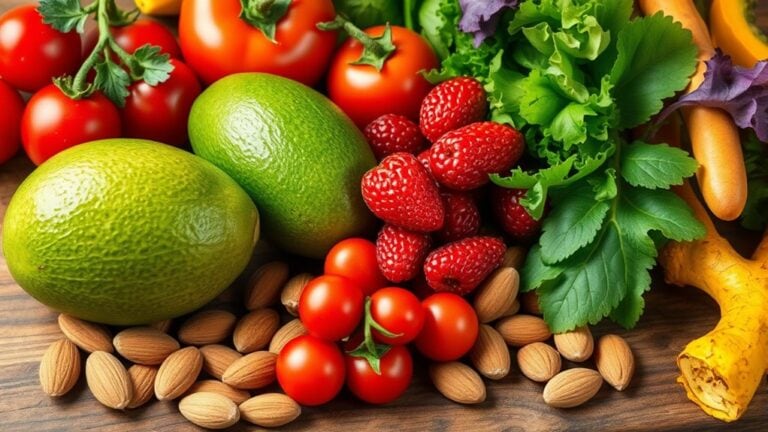
Sticky poop often calls for a closer look at what’s going on in your diet. Certain foods can contribute to those frustrating sticky stools you may be experiencing. Here are three dietary factors to evaluate:
- High-fat foods: Items like bacon and fried goodies can lead to excess fat in your stool, resulting in that unpleasant greasy texture.
- Low fiber diets: Skipping on fruits and veggies reduces stool bulk, making it stickier and mushier.
- Artificial sweeteners: Ingredients like sorbitol can draw excess water into your intestines, altering stool consistency and increasing stickiness.
Processed foods, refined carbs, and dehydration can also disrupt digestion, adding to the problem.
Through being mindful of what you eat, you can help improve your stool consistency.
Malabsorption Syndromes and Their Impact on Stool Consistency
When it comes to sticky poop, malabsorption syndromes can truly wreak havoc on stool consistency.
In the event your body struggles to absorb nutrients due to conditions like celiac disease or pancreatic insufficiency, you’ll probably notice that your stools aren’t just sticky but might’ve an unpleasant odor too.
Grasping these impacts can assist you in taking charge of your gut health and finding the right support.
Celiac Disease Effects
Celiac disease can seriously disrupt your digestive system, leaving you with some rather uncomfortable symptoms, including sticky stools.
Upon your small intestine getting damaged, it struggles to absorb fats and nutrients, leading to issues like steatorrhea—oily, foul-smelling stools.
Here are three ways celiac disease affects your stools:
- Reduced fat absorption, often through 30-50%.
- Inflammation that cripples digestive enzymes, worsening fat malabsorption.
- Higher fat content in your stool, often exceeding 7 grams in fecal fat tests.
Switching to a gluten-free diet can help heal your intestines and improve stool consistency within months.
You don’t have to suffer; comprehending your celiac disease can lead to relief and a healthier gut!
Pancreatic Insufficiency Issues
An efficiently functioning pancreas plays a vital role in your digestive health. At the time you experience pancreatic insufficiency, your pancreas produces less than 10% of the digestive enzymes needed.
This can lead to chronic pancreatitis, which reduces fat absorption up to 90%, causing steatorrhea, or sticky, greasy stools. You could notice your stools contain over 7g of fat daily, detectable through a fecal fat test.
To improve fat absorption, enzyme replacement therapy with pancrelipase can help; taking 25,000–80,000 lipase units per meal could boost absorption by 50–80%.
Without treatment, you may suffer from deficiencies in fat-soluble vitamins A, D, E, and K due to malabsorption, worsening your stool consistency over time.
Inflammatory Bowel Disease
Existing with inflammatory bowel disease (IBD) can be challenging, particularly while managing how your body processes nutrients. Conditions like Crohn’s disease and ulcerative colitis can lead to fat malabsorption, resulting in sticky stools.
You could get especially frustrated while you experience:
- Foul-smelling, greasy stools that cling to the toilet bowl.
- Chronic intestinal inflammation damaging your gut lining, worsening absorption.
- Bile acid malabsorption affecting nearly 40% of Crohn’s patients.
These factors combine to create steatorrhea, that irritating symptom where your stools feel heavy and unmanageable.
Grasping the root issues can help you discuss effective solutions with your healthcare provider, so you can find relief and improve your quality of life.
The Role of Inflammatory Bowel Disease (IBD)
While handling inflammatory bowel disease (IBD), it’s not just the symptoms you observe that matter; it’s also what’s occurring inside your gut. IBD, which includes Crohn’s disease and ulcerative colitis, can lead to sticky stools due to elevated mucus production and malabsorption of fats. Approximately 40% of patients could experience steatorrhea, causing your stool to appear oily. The inflammation in your gut damages the lining, impairing nutrient absorption and altering stool consistency. Here’s a quick look at some of these factors:
| Factor | Impact |
|---|---|
| Increased Mucus Production | Sticky stool from IBD |
| Malabsorption of Fats | Oily, steatorrhea stool |
| Gut Inflammation | Poor nutrient absorption |
Liver and Gallbladder Diseases Affecting Digestion
When discussing digestion, problems with your liver or gallbladder can significantly disrupt the process. These organs play a vital role in breaking down fats, and once they’re not working correctly, you may observe sticky stools. Here are some common issues:
- Gallbladder diseases such as cholecystitis can diminish bile production, resulting in poorly digested fats.
- Liver cirrhosis hinders bile salt formation, leading to fatty stools that are pale and oily.
- Bile duct obstructions, frequently caused by gallstones, block fat emulsification, producing steatorrhea with foul-smelling, sticky stools.
Hepatitis can also impact bile secretion, causing malabsorption and even stickier conditions. It’s essential to monitor these signs and consult your doctor should you experience them.
Effective Strategies for Improving Stool Consistency
In case you’re dealing with sticky stools, don’t fret; there are straightforward adjustments you can implement to enhance your digestion.
Through modifying your diet, maintaining hydration, and including regular physical activity, you’ll be progressing toward easier bathroom visits.
Let’s examine some practical approaches to assist you in attaining improved stool consistency.
Dietary Modifications for Digestion
Making effective dietary modifications can substantially improve your digestion and help you achieve healthier stool consistency. To boost your digestive health, consider these strategies:
- Increase your soluble fiber intake to 6-8g per meal through foods like oats, apples, and psyllium.
- Cut back on high-fat foods, especially those with over 13g of saturated fat daily, to prevent steatorrhea and improve fat digestion.
- Eat probiotic-rich foods, like yogurt, to balance gut bacteria and reduce inflammation.
A healthy diet also includes whole grains and proper water intake—aim for 2-3 liters daily to guarantee smooth motility.
Implementing these dietary changes can be steps toward feeling better and regulating your stool, giving you peace of mind.
Hydration and Fluid Intake
Staying hydrated plays a significant role in maintaining healthy stool consistency, especially once you’ve recently explored dietary adjustments for digestion. Aim to drink at least 8-10 cups of water daily to combat dehydration and keep your stools lubricated.
Limiting caffeine and alcohol can help too, as these can lead to fluid loss and contribute to sticky stools.
Adding water-rich foods, like cucumbers and watermelon, further strengthens hydration. The CDC suggests that men should aim for 125 oz and women 91 oz of total fluids each day.
Should you’re facing bowel issues, consider electrolyte-fortified waters; they can improve fluid absorption better than plain water.
Prioritizing these fluid intake tips could significantly improve your bowel habits and general digestive health.
Regular Physical Activity
Regular physical activity isn’t just about staying fit; it can also be a game changer for your digestive health. While you get moving, you’re stimulating intestinal contractions, which can promote smoother bowel movements and improve stool consistency.
Here are some effective strategies:
- Engage in at least 30 minutes of moderate exercise daily, like walking or cycling, to amplify gut motility.
- Incorporate strength training or core exercises to fortify abdominal muscle function, aiding stool transit and reducing constipation.
- Try yoga poses, such as the “wind-relieving pose,” to alleviate bloating and support bowel regularity.