

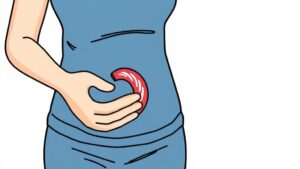
Executing a Fleet enema independently necessitates cautious preparation and perseverance. Initially, gather the supplies: a Fleet enema bottle, disposable gloves, and a clean towel. Warm water and mild soap aid with cleanup. Next, verify the solution’s expiration date and adhere to the instructions. Locating a comfortable position-like lying on the left side-facilitates insertion. Lubricating the nozzle diminishes discomfort, while gradual administration prevents cramping. Retaining the solution for the recommended duration guarantees efficacy. Appropriate method minimizes risks, but comprehending when to request assistance is equally crucial.
Gather Necessary Supplies
Before getting started, a person will need a few essential items to perform a fleet enema effectively and safely. A single-use Fleet enema bottle is the primary tool, pre-filled and ready for use. Disposable gloves help maintain hygiene, while a clean towel or absorbent pad prevents spills.
Warm water and mild soap should be on hand to sterilize equipment before and after the process. A timer verifies the solution is held for the recommended duration. Selecting a private bathroom is vital to guarantee privacy and comfort during the procedure. Lubricant minimizes discomfort during insertion.
Finally, having wipes or tissues nearby helps with cleanup. Organizing these supplies beforehand reduces stress and promotes a smoother experience. Proper preparation guarantees safety and eases any anxiety about the process.
Prepare the Enema Solution
Two simple steps guarantee the Fleet enema solution is ready for use promptly and securely. Initially, check the expiration date on the pre-mixed solution to confirm safety.
When using a powdered form, follow the package instructions for solution preparation, carefully measuring and mixing ingredients with warm water. The liquid should be clear and free of clumps.
Secondly, test the temperature by placing a drop on the inner wrist-it should feel lukewarm, not hot or cold. Shake the bottle gently if needed to blend the contents evenly. Avoid adding extra ingredients, as this can irritate the bowel. Proper mixing ensures comfort and effectiveness.
Once prepared, the solution is ready for administration. Handling it with care prevents spills and maintains hygiene throughout the process.
Choose a Comfortable Position
| Position | Best For |
|---|---|
| Kneeling with hips raised | Ease of insertion, gravity-assisted flow |
| Lying on the left side | Comfort, slower solution flow |
| Squatting | Natural alignment, full control |
| Supported knee-chest | Reduced strain, deeper reach |
Each option balances comfort and effectiveness. Soft surfaces like a padded bathroom floor or bed help. Avoid standing or bending awkwardly. The key is feeling at ease-tension makes the process harder. Experiment to find what works best.
Insert the Enema Nozzle Properly
Once a comfortable position is chosen, inserting the enema nozzle correctly guarantees the process is both safe and effective. Proper insertion technique begins by lubricating the nozzle tip to minimize discomfort.
Gently part the buttocks and slowly guide the nozzle into the rectum about 2 to 3 inches, angling it slightly toward the navel. Guaranteeing comfortable insertion means stopping if resistance or pain occurs-forcing it can cause injury. Breathe deeply and relax the muscles to ease the process.
Should discomfort persist, withdrawing slightly and pausing often helps. The nozzle should stay securely in place without pressure. Keeping movements steady and controlled prevents unnecessary irritation. Exercising patience assures the nozzle is positioned correctly for the next step without rushing. This careful approach maximizes effectiveness while prioritizing comfort.
Administer the Solution Slowly
Administering the enema solution slowly helps guarantee comfort and effectiveness. Controlling the flow rate prevents sudden pressure, which can cause cramping or discomfort.
Paying attention to how the body feels during the process allows adjustments whether needed.
Control Flow Rate
Gently releasing the solution guarantees comfort and prevents cramping, so regulating the flow rate is key. Controlling the enema administration pace ascertains the body adjusts without discomfort.
Squeezing the bottle too forcefully can overwhelm the bowels, leading to sharp cramps or an urgent need to expel the solution prematurely. Instead, apply light pressure to control solution flow, allowing a steady but slow release. Pausing intermittently helps the muscles relax, reducing resistance.
Tilting the bottle slightly upward-rather than squeezing-can naturally slow the stream. Whether the sensation becomes intense, stopping for a few seconds permits the body acclimate. Practicing patience ensures the enema works effectively without unnecessary strain.
Adjusting pressure based on comfort keeps the process smooth and manageable. Consistent, gentle motion minimizes distress while maximizing results.
Monitor Comfort Level
How does one recognize as soon as the enema solution is being administered too rapidly? Discomfort, cramping, or a sudden urge to expel the liquid signals the flow rate is too high. To maintain pain sensitivity, pausing briefly and adjusting the speed helps. It’s also wise to monitor emotional state-stress can heighten physical discomfort.
Slow and steady wins: A gentle pace prevents overwhelming the body’s natural reflexes.
Listen to the body: Sharp pain means stop immediately; mild pressure is normal.
Breathe deeply: Relaxation eases tension, making the process smoother.
Pausing to check in with physical and emotional responses safeguards the enema remains tolerable. Adjusting the flow or taking short breaks can make a significant difference. Comfort is key-forcing the solution risks unnecessary distress. A mindful approach balances effectiveness with personal limits.
Allow Time for the Enema to Work
After administering the enema, the user should remain lying down for several minutes to allow the solution to take effect. They could feel mild pressure or discomfort, which is normal, but severe pain should prompt stopping the process.
Monitoring their body’s response assists in determining the ideal time to move to the next step.
Wait for Results
Most people require to wait between five and fifteen minutes for the enema to take full effect, though it can vary depending on individual factors. During this time, lying on the left side or moving gently can help the solution distribute evenly. It’s crucial to monitor bowel movement signals, as rushing the process can reduce effectiveness. Some discomfort is normal, but deep breathing can help manage potential discomfort.
- Patience is key: The body needs time to respond, so resisting the urge to rush yields better results.
- Listen to your body: Mild cramping may occur, but severe pain warrants stopping and consulting a doctor.
- Stay relaxed: Tension can delay the process, so finding a comfortable position helps the enema work efficiently.
Waiting calmly guarantees the solution softens stool and triggers the necessary bowel release.
Monitor Comfort Level
Monitoring comfort levels during the enema process guarantees safety and effectiveness. While waiting for results, it’s crucial to monitor for discomfort and assess pain levels. Mild cramping is normal, but sharp or severe pain signals a need to stop immediately.
Adjusting body position-like lying on the left side or gently massaging the abdomen-can ease pressure. Deep breathing helps relax muscles, reducing tension. Should dizziness, nausea, or intense bloating occur, the process should be paused.
Staying hydrated afterward supports recovery. Listening to the body prevents complications, ensuring the enema works as intended without unnecessary strain. Patience is key; rushing can lead to discomfort. Prioritizing comfort makes the experience safer and more efficient.
Conclusion
Performing a Fleet enema alone can feel challenging, but with preparation and patience, it’s manageable. Some worry about discomfort, but relaxation and proper technique minimize this. After administering the solution, allow 5–15 minutes for it to take effect before using the bathroom. This simple process helps clear the bowels gently. When concerns arise, consulting a healthcare provider guarantees safety. With practice, the routine becomes easier and more familiar.

